
The Best Water in Florida Is Not at the Beach
Florida's best water is inland: the springs of the north-central counties, clear enough to read a license plate through twenty feet of it.
The best water in Florida is the spring water in the north-central part of the state, roughly the triangle between Gainesville, Ocala, and the Gulf. If you insist on salt water, the answer is the Panhandle between Pensacola and Panama City, where the Gulf runs green over white sand. But the springs win, and it is not close.
Why the springs beat the beaches
Florida sits on limestone, and the limestone is full of water. Where that water finds its way to the surface, you get a spring: a hole in the ground pushing out water so clear it looks like a rendering error. You can stand on a dock at Rainbow Springs and count the scales on a gar fifteen feet down.
The other thing about spring water is the temperature. It hovers around 72 degrees all year. In July, when the beach water feels like a bath someone forgot about, the springs are cold enough to make you gasp. In January, when the Gulf is too cold to touch, the springs feel warm. It is the most reliable water in the state, which is saying something in a state where the weather changes its mind hourly. We made a 73 Degrees Tee that is off by roughly one degree, which feels very Florida.
The springs worth driving for
There are a lot of them. These are the ones people actually mean when they talk about the springs:
- Ichetucknee Springs, near Fort White. The classic tube run. You put in at the top, float a clear river through cypress and cedar, and take out a few lazy hours later. Summer weekends fill up early; go on a weekday if you can.
- Rainbow Springs, outside Dunnellon. Wide, blue, and calm. Good for kayaks and for people who want to swim without a current doing the work.
- Ginnie Springs, on the Santa Fe River near High Springs. Privately run, popular with divers and with people who treat tubing as a contact sport. Loud on Saturdays, gorgeous on Tuesdays.
- Juniper Springs, in the Ocala National Forest. The paddle run here is narrow, twisting, and genuinely wild. Not a float trip. You will use your arms.
- Wakulla Springs, south of Tallahassee. One of the big ones, with an old lodge and glass-bottom boat tours when the water is clear enough. Alligators in residence, behaving themselves at a distance.
- Devil's Den, near Williston. A spring inside a collapsed cavern, so you swim underground with a beam of daylight coming through the roof. Snorkelers and divers only, and worth it.
- Weeki Wachee, off US-19 on the Gulf side. Yes, the mermaid show is still running. The river itself is a clear, shallow paddle that ends up feeling like the main attraction.
Winter water: Crystal River and the manatees
Crystal River, on the Gulf coast north of Tampa, is the manatee capital of the state, and the manatees agree. When the Gulf cools off in winter, they crowd into the warm spring water of Kings Bay and Three Sisters Springs by the hundreds. You can snorkel near them, with rules: no touching, no chasing, no blocking their path. The manatees mostly ignore you, which is the correct response to a person in a rented wetsuit.
Winter is the season for this. Show up in August and you will find a nice spring and very few manatees, because they are out in the Gulf living their lives.
If you need salt water
Fine. The Panhandle. The stretch of coast around Destin and the beach towns along Scenic Highway 30A has water the color of a bottle of green glass held up to the sun, over sand so white it looks like sugar. Locals call it the Emerald Coast and for once the marketing name is accurate.
Farther south, Siesta Key near Sarasota has sand made largely of quartz, which stays cool underfoot even at noon in July. That is a small thing until you have walked barefoot across ordinary Florida sand in July, at which point it becomes the only thing.
And the Keys have their own answer: shallow, turquoise flats where the water is more of a color than a depth. It is a different argument down there. This post is not about the Keys. The Keys deserve their own post and they know it.
The dark horse: blackwater rivers
Not all good Florida water is clear. The Suwannee and stretches of the Santa Fe run dark with tannins from the swamps they drain, the color of strong tea. It sounds unappealing and it is beautiful: black water, white limestone banks, cypress knees, and almost nobody around. Where a spring feeds into a blackwater river you get a hard line in the water, tea on one side and glass on the other, which is one of the strangest things you can see from a kayak in this state.
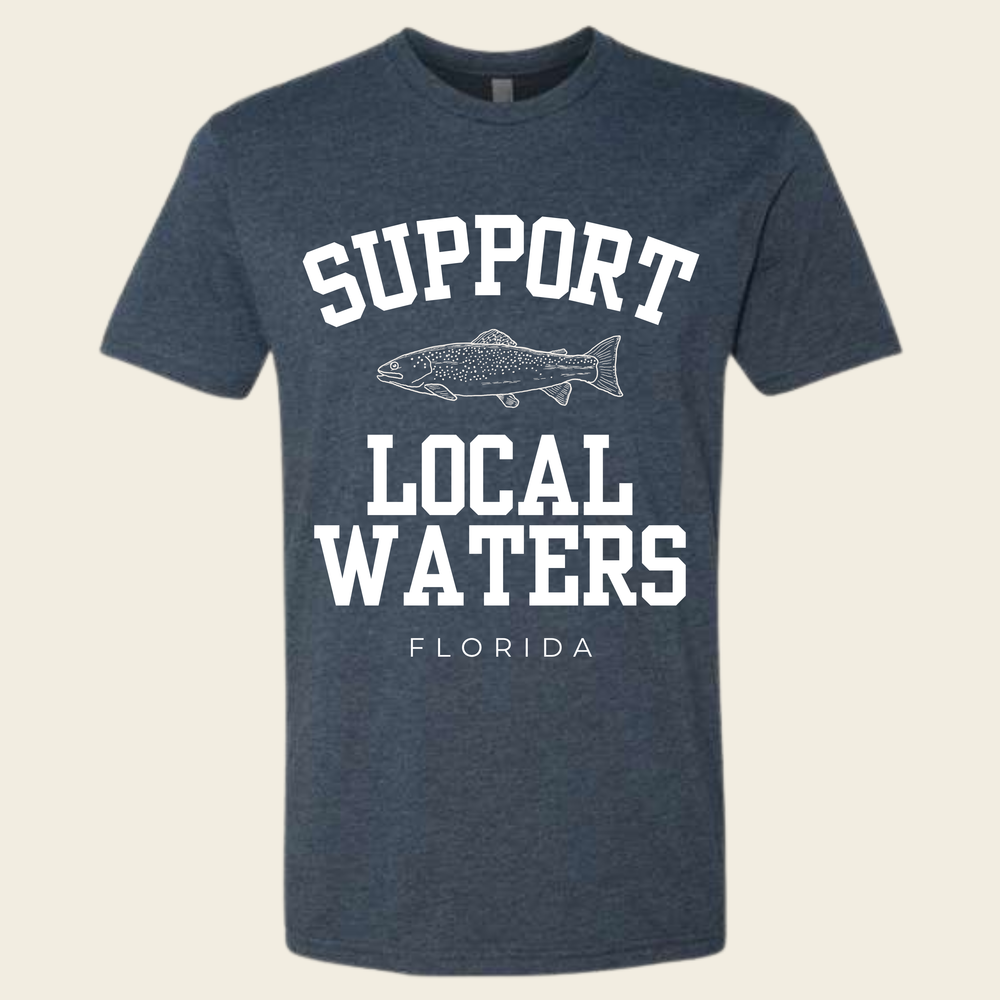
This is also the water most in need of defending. The springs and the rivers they feed are under real pressure from development and pumping, and the people doing the unglamorous work of protecting them tend to be locals with boats and opinions. That is roughly the spirit behind the Support Local Waters Tee, and it applies to a tea-colored river as much as a postcard spring.
How to do it right
A few things that will improve the trip:
- Go early. Popular springs like Ichetucknee and Ginnie can reach capacity on summer weekends, and the water is at its clearest before a thousand tubes stir it up.
- Skip the sunscreen in the springs where it's restricted, and go light everywhere else. It films the water. Wear a shirt in the water instead.
- Bring water shoes. Limestone is sharp and spring bottoms are not sand.
- Respect the wildlife. The alligators are real, generally uninterested, and best kept that way. The manatees have federal protection and better lawyers than you.
- Check the season. Some spring runs close in winter for the manatees. Summer is tubing; winter is snorkeling with sea cows. Plan accordingly.
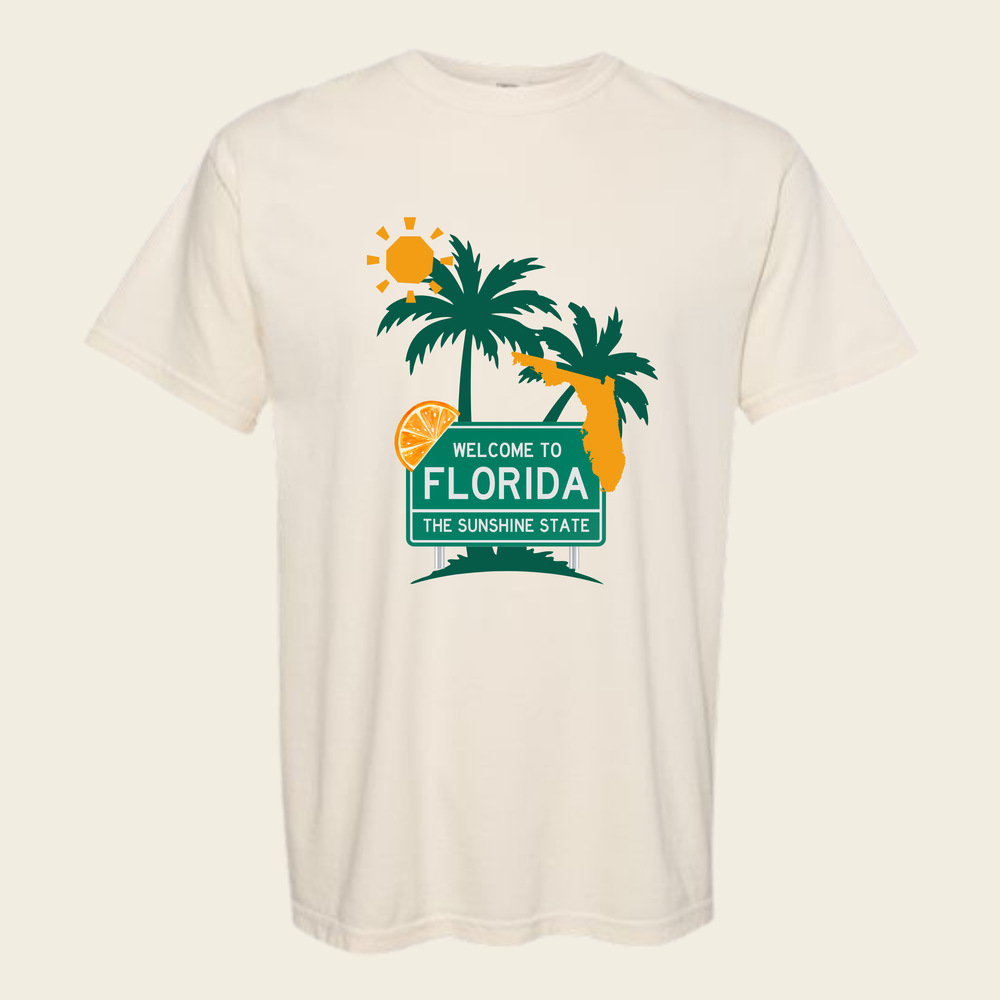
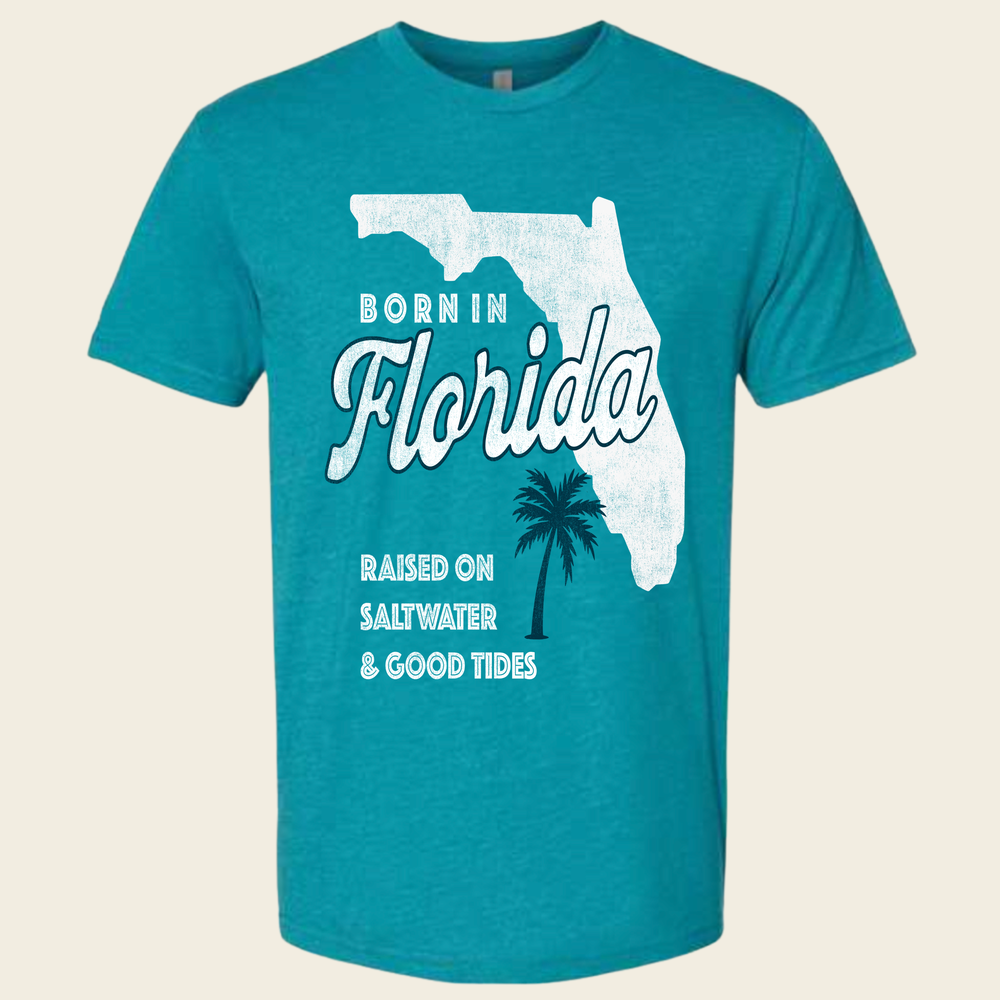
Most people's idea of Florida water is a hotel pool in Orlando or a crowded stretch of Atlantic sand. The real stuff takes a little more driving, usually down a two-lane road past a bait shop and a church with a good sign. That gap between the postcard and the real place is most of what we put on shirts in the Florida collection, including the Welcome to Florida Tee, which means it sincerely and also as a warning.
Common questions
What is the clearest water in Florida?
The freshwater springs of north-central Florida, places like Rainbow Springs, Ginnie Springs, and Ichetucknee. On a calm morning the visibility can run to the bottom, and the bottom is a long way down.
Are Florida springs cold?
They hold around 72 degrees year-round, which feels cold in summer and warm in winter. First entry in July is a shock either way; most people are fine within a minute.
When is the best time to see manatees at Crystal River?
Winter, roughly December through February, when cool Gulf temperatures push manatees into the warm springs of Kings Bay. Go early in the morning, follow the no-touch rules, and book a guided tour if it's your first time.
Florida



Made by Land & Light — American lifestyle apparel with a sense of place and a sense of humor.
See every shirt