
Texas in the Fall: What Actually Changes and Where to Go
Fall in Texas arrives late and unevenly. Here's when it actually cools off, where the leaves turn, and what the season really looks like.
Fall in Texas is less a season than a negotiation. The calendar says October, the thermometer says August, and somewhere around the first real cold front everyone agrees to call it autumn and starts making chili.
If you're expecting New England, adjust. Texas fall is football, the State Fair, dove hunting, brisket smoke drifting over a backyard, and a handful of specific canyons where the leaves genuinely put on a show. It's worth knowing where to look.
When fall actually arrives
It doesn't come on schedule and it doesn't come everywhere at once. The Panhandle cools first — Amarillo can feel like fall in early October while Houston is still running the air conditioner into November. In Austin, San Antonio, and Dallas, the honest answer is that summer usually loosens its grip sometime between mid-October and early November, when the first serious cold front pushes through and the humidity finally breaks.
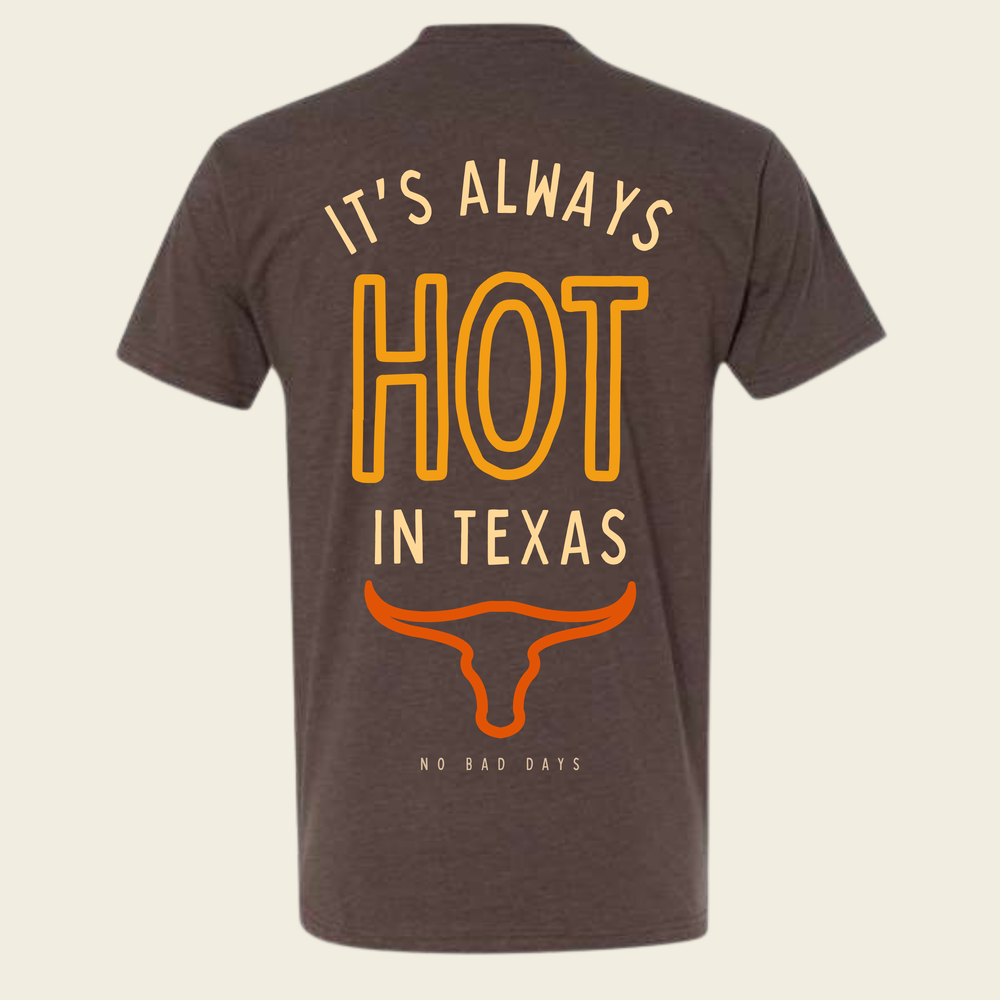
Until then, you get the false fall: a morning in the 60s that has everyone in flannel by 8 a.m. and back in shorts by noon. Texans dress for the morning they want, not the afternoon they'll get. There's a reason the Hot in Texas Tee reads true in October. It's not a joke so much as a weather report.
The reward for all that waiting is that once fall arrives, it's the best stretch of the year. Sixty-five degrees, dry air, blue sky. Locals guard it jealously because they know it's short.
The State Fair of Texas
The State Fair runs in Dallas at Fair Park through late September and most of October, and it's the closest thing Texas has to an official start of fall. Big Tex stands at the middle of it, waving at everybody in that slow mechanical way, and the whole grounds smell like fried everything.
The essentials, if you go:
- A Fletcher's corny dog with mustard. This is not negotiable for regulars.
- Whatever won the fried food awards that year — the fair takes deep-frying seriously as a competitive discipline.
- The car show, the livestock barns, and the midway at dusk when the lights come on.
- The Texas Star ferris wheel, if you want the full view of Fair Park's old Art Deco buildings.
Go on a weekday if you can. Saturdays are shoulder-to-shoulder, especially when there's a big game across the way.
Football, from Friday night to the Cotton Bowl
Fall in Texas is organized around football the way other places organize around foliage. Friday nights belong to high school — small towns empty out and the stadium lights are visible from the highway. In West Texas, the drive to an away game can be longer than the game itself, and people make it anyway.
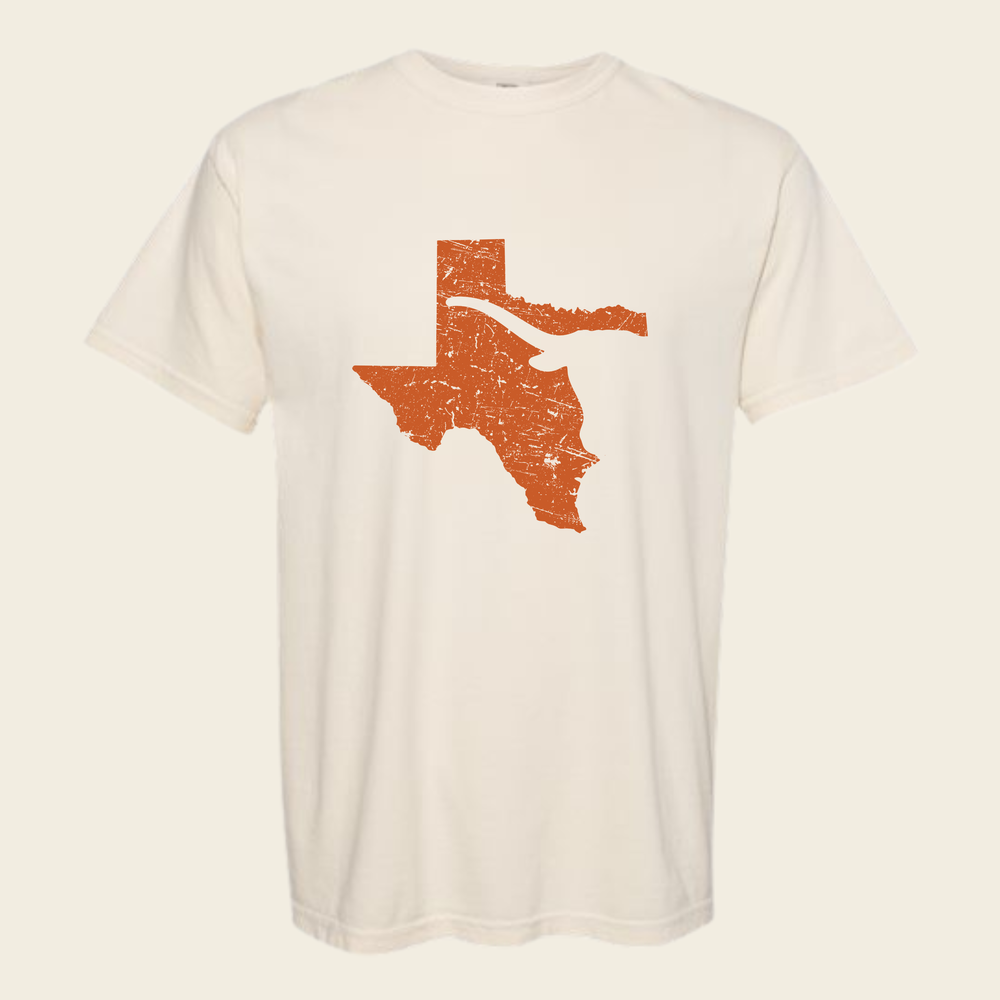
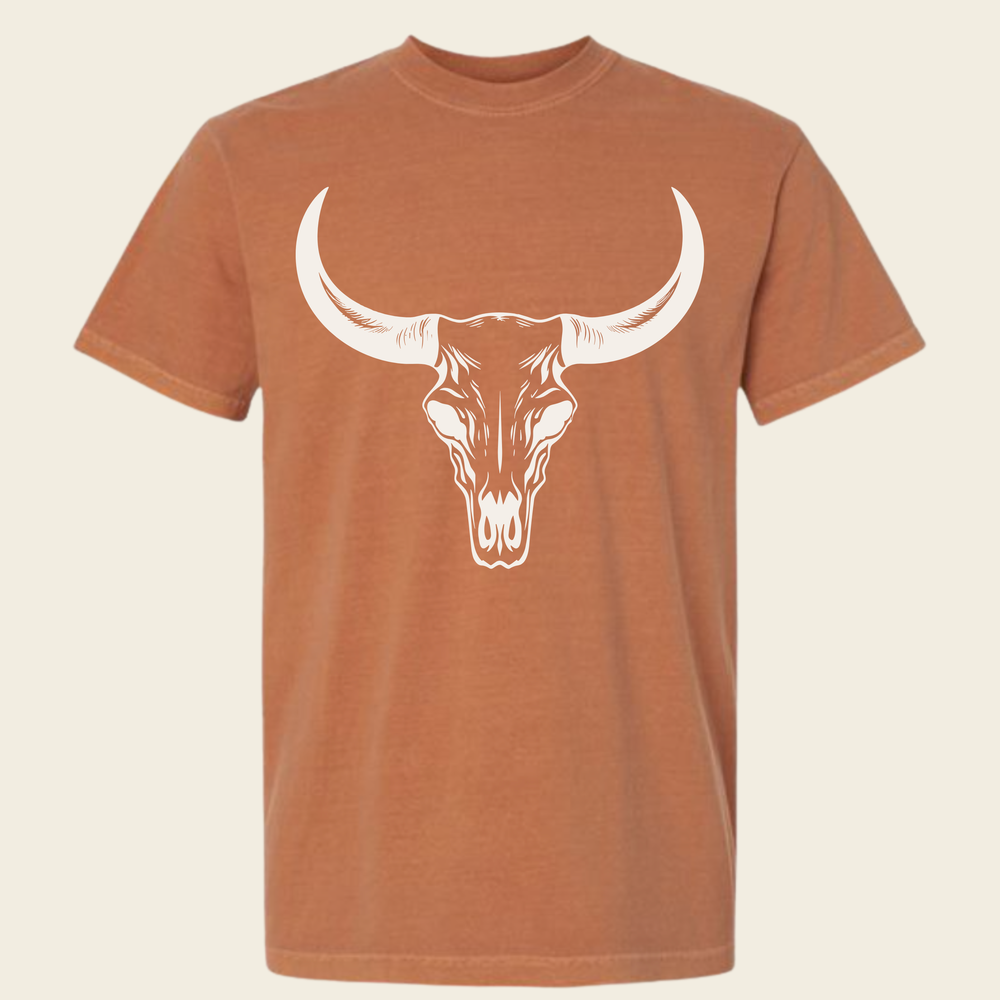
Saturdays belong to the colleges. The Red River rivalry between Texas and Oklahoma is played at the Cotton Bowl inside the fairgrounds while the State Fair is going on, which means half the crowd walks past Big Tex on the way to the game. The stadium splits down the middle, burnt orange on one side and crimson on the other, and the corny dog lines run long either way. If your Saturdays lean burnt orange, the Texas Horns Tee knows what it's about.
Sundays belong to the Cowboys and the Texans, and to the long-running argument between the two fan bases about which half of the state got the better deal.
Where the leaves actually turn
Most of Texas doesn't do fall color. Live oaks stay green, mesquite just quits. But there are exceptions, and Texans drive real distances to see them:
- Lost Maples State Natural Area, near Vanderpool in the Hill Country. Bigtooth maples turn red and orange, usually peaking in November. It's popular enough that the park fills up on peak weekends — reserve ahead or go midweek.
- Garner State Park, on the Frio River near Concan. Cypress trees along the water go rust and copper, and the crowds thin out after summer.
- McKittrick Canyon, in the Guadalupe Mountains out in far West Texas. Widely considered the best fall color in the state — maples and oaks tucked into a desert canyon. It's a haul from anywhere, which is part of the appeal.
- Palo Duro Canyon, south of Amarillo. Less about leaves, more about cottonwoods going gold against red rock walls. Fall is also the sane season to hike it, after the brutal summer heat.
- Big Bend. Not a foliage trip, but October and November are prime months for the park — cool enough to hike the Chisos, warm enough to sleep outside.
Note the pattern: the color is in the canyons and river bottoms, and it comes in November, not October. Plan accordingly.
The food turns over too
Fall is when Texas cooking shifts from the grill to the pot. Chili season starts with the first cold front, and the state's position on beans remains firm — real Texas chili doesn't have them, and this argument has outlasted several generations. Chili cook-offs pick up across the fall, culminating in the famous ones out in Terlingua near Big Bend in early November.
Other seasonal markers:
- Brisket weather. Barbecue is year-round, but tending a smoker for twelve hours is a lot more pleasant at 60 degrees than at 105.
- Tamale season ramps up as the holidays approach. Families that make them by the dozen start taking orders, and if you know someone with a good tamale connection, you protect that relationship.
- Pecans. The state tree produces in fall, and pecan pie season begins in earnest.
- Hatch chiles roasted in late summer show up in everything through the fall.
Dove season and the outdoors
For a lot of Texans, fall officially starts on September 1, when dove season opens. It's as much a social event as a hunt — folding chairs at the edge of a sunflower field, coolers, and a long afternoon of visiting between flights. Deer season follows later in the fall and reorganizes weekend life across huge swaths of the state, from the Hill Country to South Texas brush country.
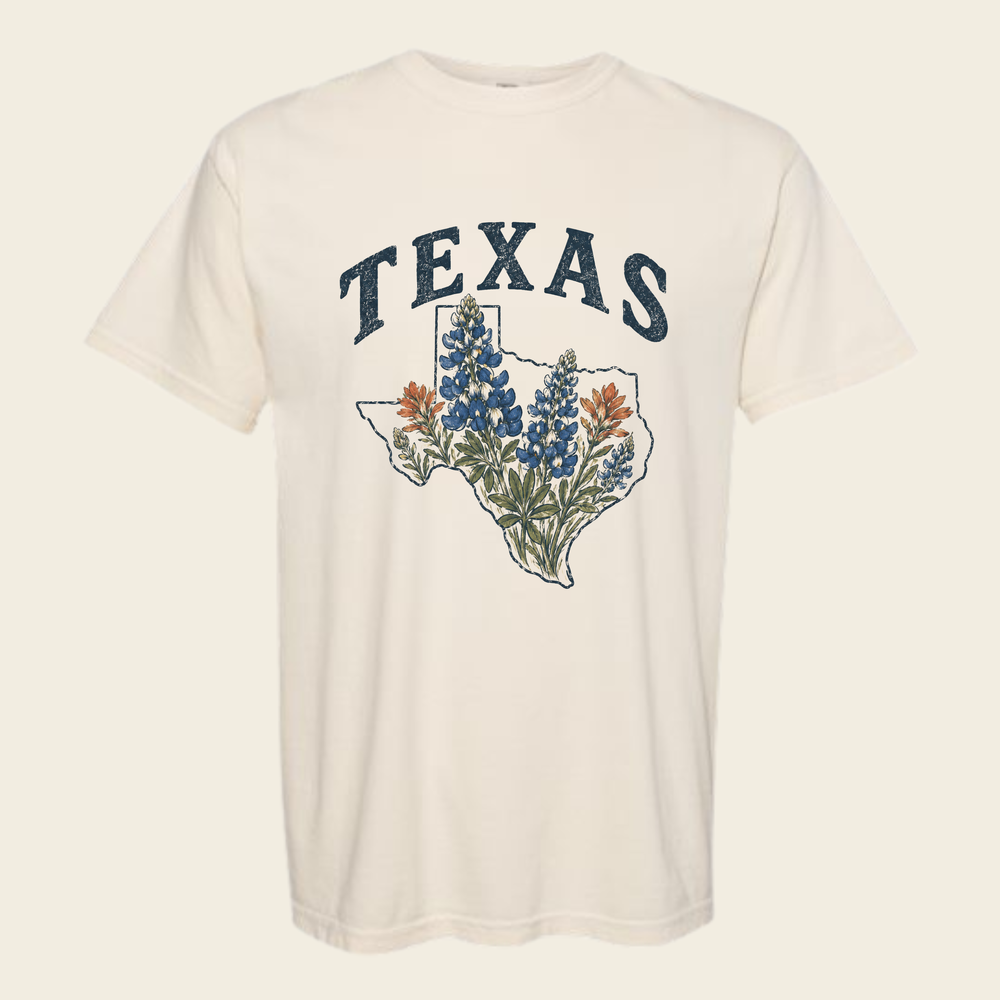
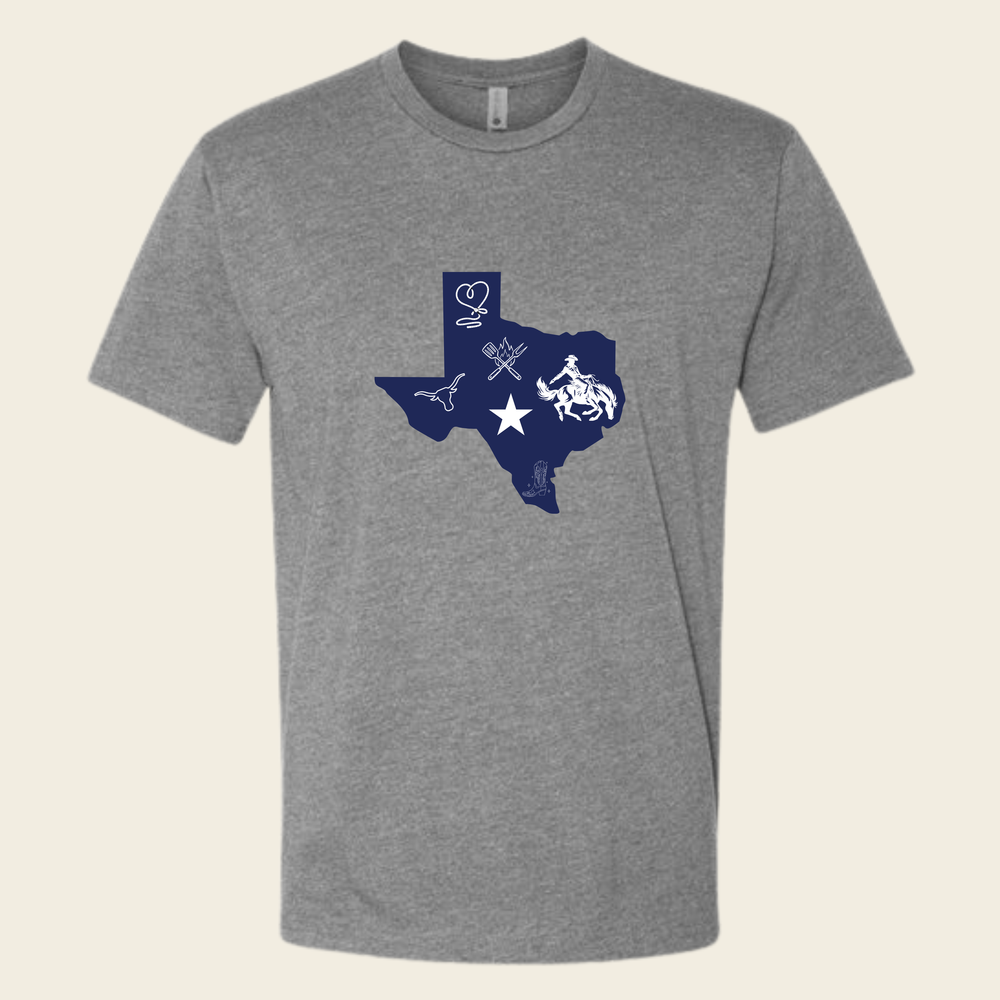
Even if you don't hunt, fall is when the outdoors opens back up. The rivers — the Frio, the Guadalupe, the San Marcos — are quieter after Labor Day. State parks that are punishing in July are pleasant in October. Camping stops being an act of endurance. It's the season Texans actually use the landscape they brag about, which is roughly the same instinct behind wearing your state on a shirt — the Texas State Pride Tee covers that ground plainly, and the rest of the Texas collection works the same territory.
Common questions
When does it cool off in Texas?
Depends where you are. The Panhandle cools by early October, while Austin, Dallas, and especially Houston often stay warm into late October or November. The first strong cold front is the real start of fall, whenever it arrives.
Where is the best fall foliage in Texas?
Lost Maples State Natural Area in the Hill Country and McKittrick Canyon in the Guadalupe Mountains are the standouts, with Garner State Park and Palo Duro Canyon close behind. Peak color usually lands in November.
Is fall a good time to visit Texas?
It's arguably the best time. The heat breaks, the State Fair runs through October, football is everywhere, and parks like Big Bend and Palo Duro are finally comfortable to hike.
Texas

Made by Land & Light — American lifestyle apparel with a sense of place and a sense of humor.
See every shirt