
Florida in the Fall: The Season Nobody Warns You About
Fall is when Florida quietly becomes the best version of itself: the humidity breaks, the fish run, and the crowds haven't shown up yet.
Fall is the best-kept secret in Florida. Somewhere between late October and mid-November the humidity finally breaks, the summer families are gone, the winter snowbirds haven't arrived yet, and the whole state exhales.
If you've only been to Florida in March or July, you've seen it at its most crowded and its most punishing. Fall is neither. Here's what actually happens.
When fall actually starts, which is not September
Forget the calendar. In most of Florida, September is just August with a different name. It's still hot, still humid, and still the heart of hurricane season, which runs through the end of November. Locals don't call it fall until the first real cold front pushes through, which usually means late October in the Panhandle and North Florida, and sometime in November for everyone south of Orlando.
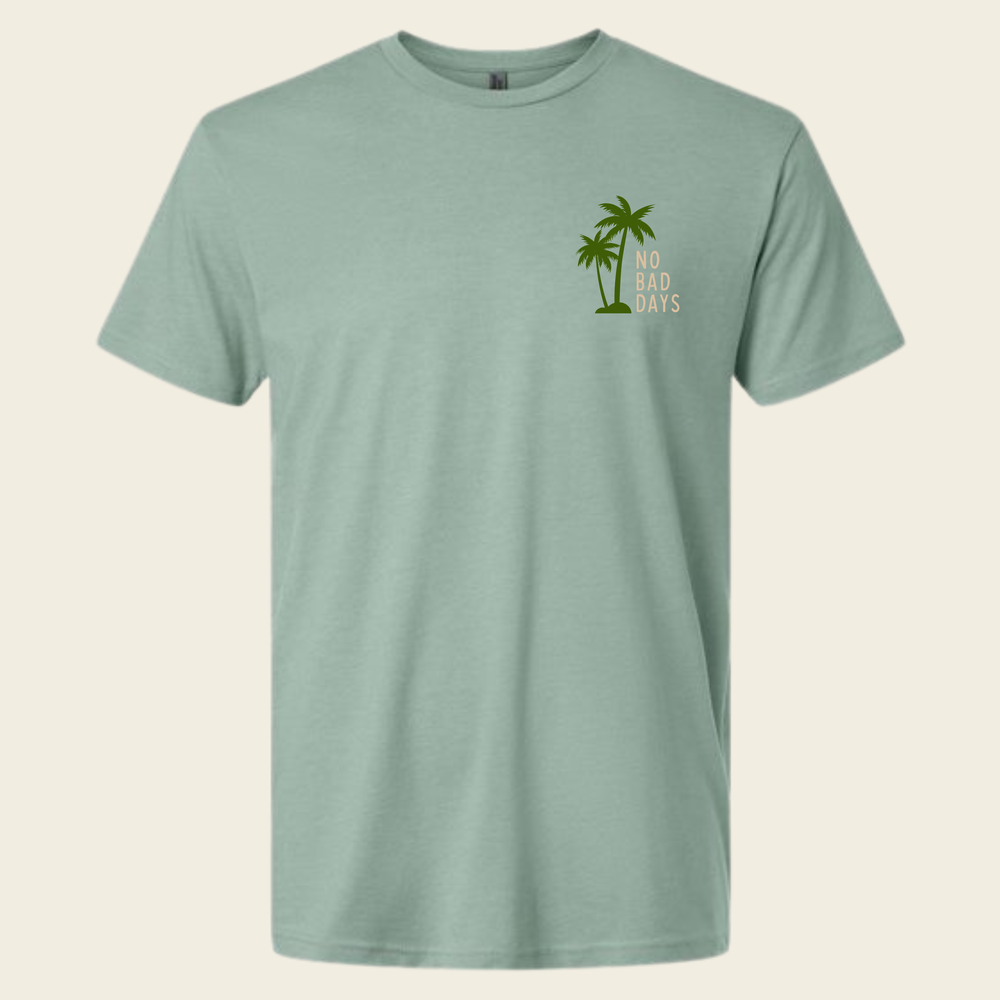
You'll know it when it happens. The dew point drops, the air stops feeling like a wet towel, and people who haven't opened their windows since April suddenly do. The dry season is starting. Afternoon thunderstorms, which run like clockwork all summer, taper off. From here until spring, the weather is mostly the same day repeated: sunny, dry, and pleasant enough that 73 Degrees isn't a joke, it's a forecast.
The mullet run
If you're on the Atlantic coast in September or October, walk out to the beach in the morning and look at the water. If it's dark and moving, that's not seaweed. It's mullet, millions of them, pushing south along the shoreline in schools that can stretch for hundreds of yards. Everything follows them: tarpon, snook, jacks, sharks, pelicans diving like they're being paid by the fish.
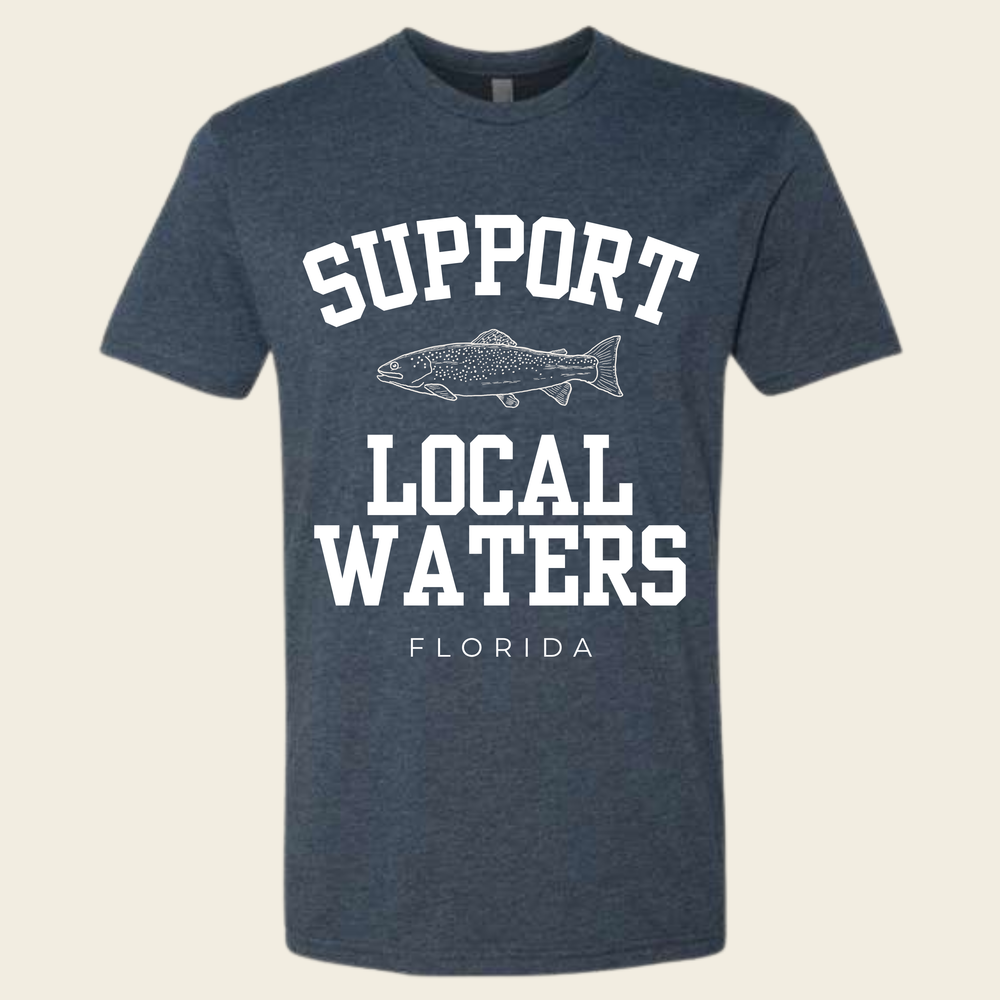
It's one of the great spectacles in the state and it costs nothing to watch. Fishermen mark it on their calendars. Surfers keep a slightly nervous eye on it. If you care at all about what's happening under the surface, and about it still happening in twenty years, that's the spirit behind the Support Local Waters Tee. Florida's coasts only work if the water does.
Stone crab season and everything else worth eating
Stone crab season opens in mid-October, and in parts of South Florida and the Gulf coast that's treated roughly the way other states treat opening day of deer season. The claws are the whole point. The crabs are returned to the water, the claws regrow, and Floridians eat them cold with mustard sauce and argue about which crab shack does it right.
Fall eating in Florida, more broadly:
- Stone crab claws — cold, cracked, with mustard sauce. Order them the day they come in.
- Smoked mullet — the fish from the run ends up in smokers along the Gulf coast. Places like Cedar Key and the fish camps around Cortez do it properly.
- Apalachicola oysters — cooler water, better oysters. The old rule about months with an R in them exists for a reason.
- Early citrus — the first oranges and grapefruit start showing up at roadside stands in late fall. A bag of fruit from a stand on a two-lane road beats anything in a grocery store.
Football, which is its own season
Fall in Florida is football, full stop. The state has three major college programs — the Gators in Gainesville, the Seminoles in Tallahassee, and the Hurricanes in Miami — plus three NFL teams, plus a Friday-night high school culture that's produced more pro players than most entire regions of the country.
The rivalries organize the season. Florida–Georgia is played on neutral ground in Jacksonville, and the weekend around it takes over the whole city. Florida–Florida State at the end of November decides bragging rights for a year. In between, every Saturday, half the trucks on I-75 and I-10 are flying somebody's flag.
You don't have to care about football to enjoy fall in Florida. But it helps to know when the games are, because that's when the restaurants are either empty or unbearable, depending on the score.
The shoulder season, and why it's the time to go
Between the last summer tourist and the first serious wave of snowbirds, there's a window — roughly October through early December — when Florida belongs to Floridians. Hotel rates drop. You can get a table. The beaches at Fernandina, New Smyrna, and Anna Maria are wide open on a weekday. St. Augustine is walkable without dodging tour groups.
This is also when the small towns do their thing. Mount Dora, Micanopy, Apalachicola, DeLand — the inland and Panhandle towns that summer visitors skip entirely — hold their festivals and craft fairs in the fall, because fall is when you can stand outside for four hours without regretting it.
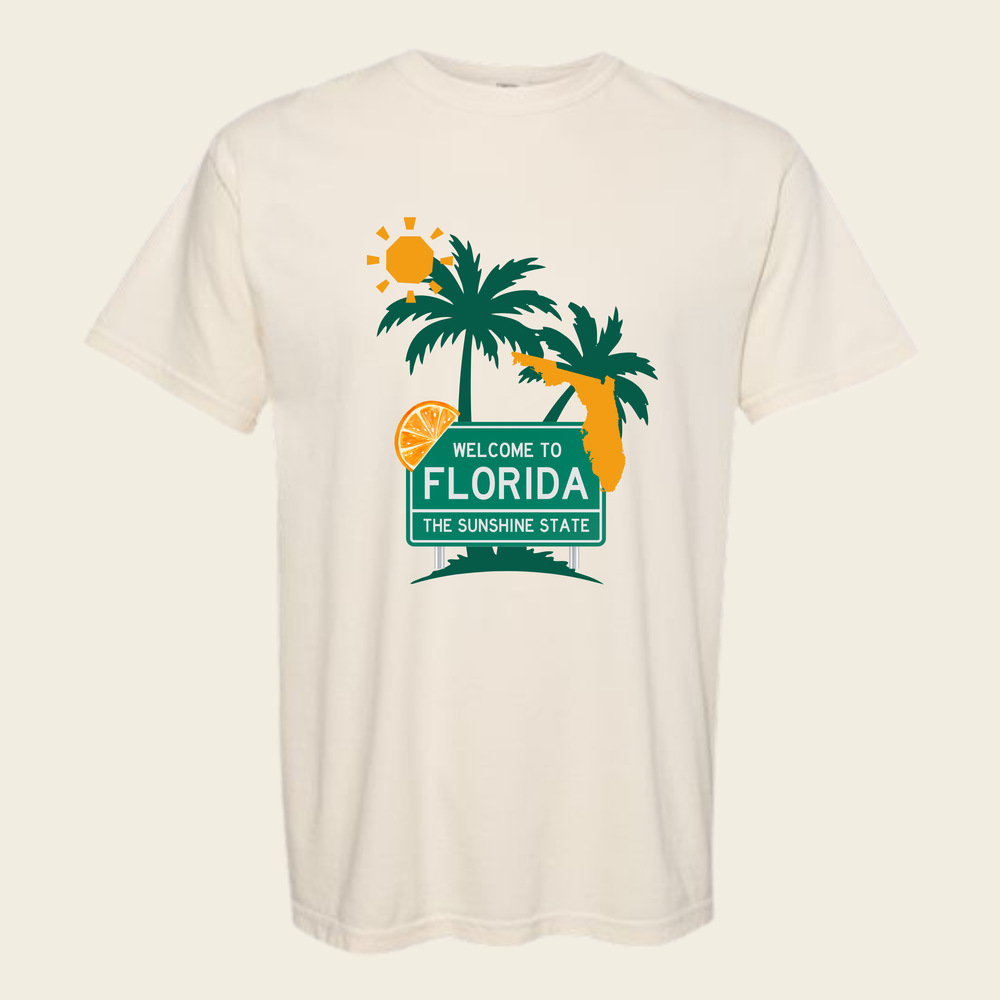
Then, sometime after Thanksgiving, the license plates change. Ontario, Michigan, New York, Quebec. The snowbirds arrive, the left lane on US 1 slows down, and the early-bird dinner crowds return. There's a whole genre of Florida humor about this annual migration, and the Welcome to Florida Tee sits squarely inside it. The welcome is genuine. Mostly.
The one caveat: hurricane season isn't over
Honesty requires this section. Hurricane season doesn't end until November 30, and some of the storms that have hit Florida hardest arrived in October. The odds on any given fall week are good, but they're not zero.
The practical version: if you're planning a fall trip, buy the trip insurance, watch the forecast the week before, and don't book anything nonrefundable in the Keys in early October without a backup plan. Floridians handle this with a shrug and a full tank of gas. Visitors should handle it with a refundable reservation.
Once you're past mid-November, the risk drops off fast and you're into the genuinely golden stretch — the weather that made the whole state's reputation in the first place.
What fall looks like, region by region
- Panhandle — the closest Florida gets to actual autumn. Cool mornings, oyster season, and Gulf water that stays swimmable into October.
- North Florida — Gainesville and Tallahassee run on football. The live oaks don't change color, but the light does.
- Central Florida — theme park crowds thin out after the Halloween events end. The springs — Rainbow, Ichetucknee, Wekiwa — stay 72 degrees year-round and feel warm once the air cools off.
- Gulf coast — stone crabs, smoked fish, and sunsets that get better as the air dries out.
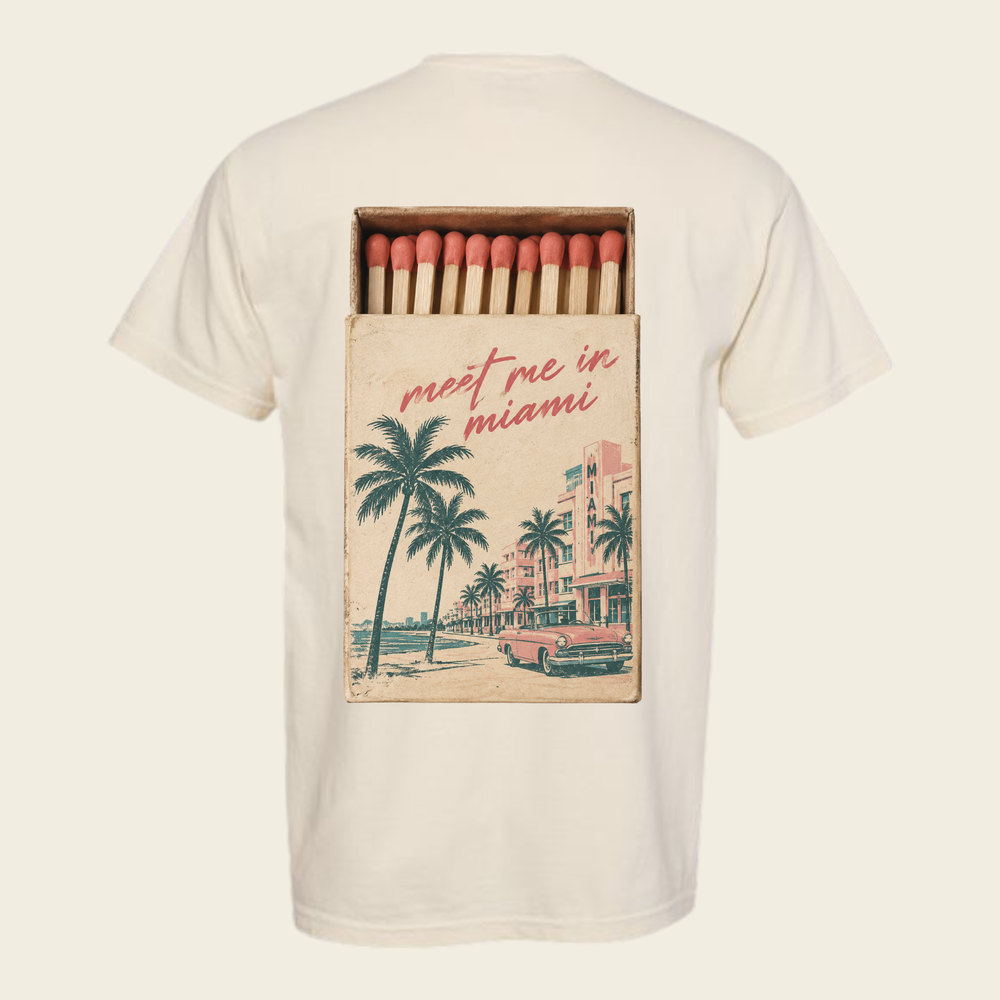
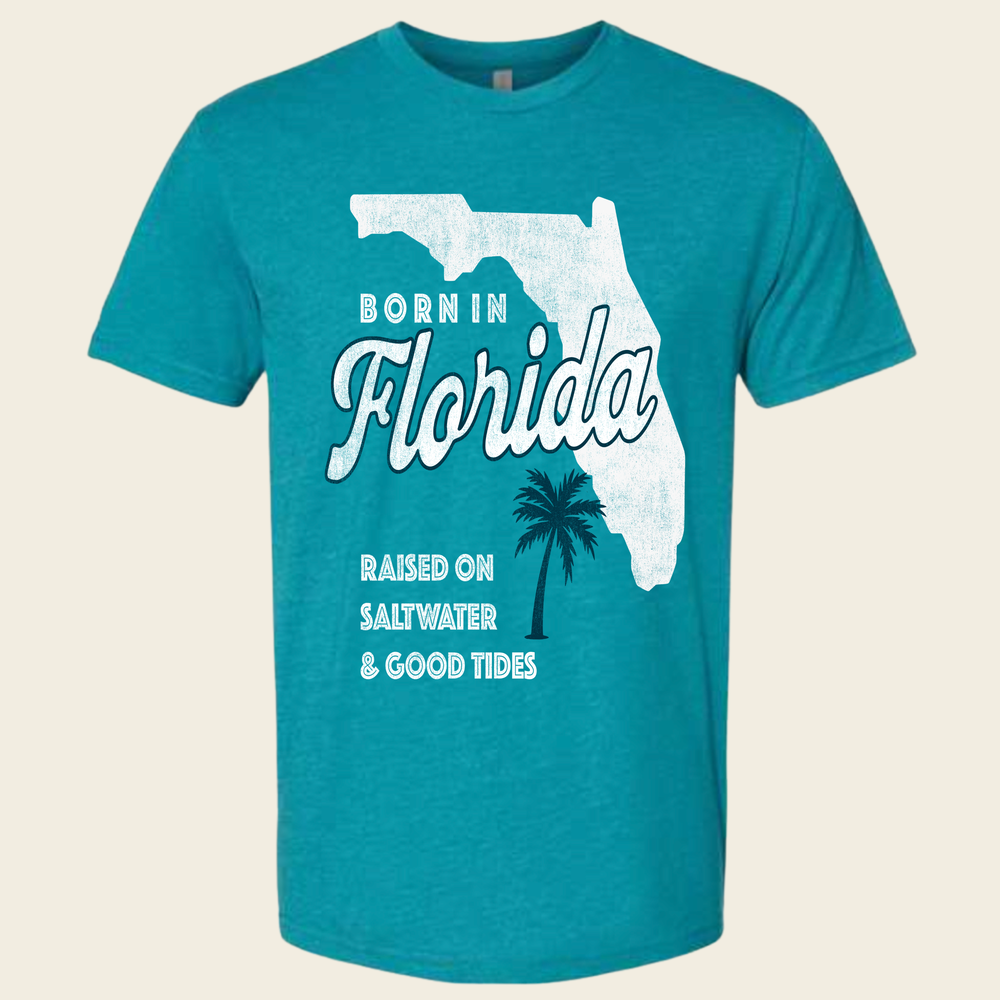
- South Florida — fall is when Miami becomes livable again. The rest of the state's designs and jokes live in the full Florida collection, if that's your part of the map.
Common questions
Is fall a good time to visit Florida?
Late October through early December is arguably the best window of the year. The humidity is gone, prices are lower, and the crowds haven't arrived. The only asterisk is hurricane season, which runs through the end of November, so book refundable where you can.
Does Florida get fall foliage?
Barely, and only in the north. Some cypress and sweetgum turn in the Panhandle and along North Florida rivers, but nobody comes to Florida for leaves. The fall payoff here is weather, water, and food, not color.
Can you swim in Florida in the fall?
Yes, especially through October, when the Gulf and Atlantic are still warm from summer. By December the ocean gets brisk in the northern half of the state, but the springs hold at 72 degrees all year and South Florida water stays swimmable.
Florida

Made by Land & Light — American lifestyle apparel with a sense of place and a sense of humor.
See every shirt