
Texas at Its Least Touristy
The un-touristy Texas is in the Panhandle, the piney woods, the working coast, and any courthouse square without a gift shop.
The least touristy Texas is the Texas between the interstates: the Panhandle north of Amarillo, the cypress swamps of the far east, the working stretch of Gulf Coast, and any county seat where the courthouse is the tallest building. None of it is hard to reach. It just isn't on the way to anything, which is the whole point.
San Antonio has the Riverwalk. Austin has whatever Austin is doing this year. This post is about the other Texas, the one that doesn't check whether you showed up.
The Panhandle, on purpose
Most people see the Panhandle from I-40 at 80 miles an hour and conclude there's nothing there. Get off the interstate and drive north toward Canadian, a small town near the Oklahoma line with actual trees, actual hills, and a river valley that surprises everyone who's been told the Panhandle is flat. In fall the cottonwoods turn and people drive out just to look at them, which in this part of the state counts as a festival.
South of Amarillo, Palo Duro Canyon gets some visitors, but the rim country around it doesn't. Towns like Turkey and Quitaque sit in red-dirt canyon country that looks nothing like the postcard version of Texas. Turkey is proud of Bob Wills, and it will tell you about him. Let it.
What you'll actually do up here: drive long, straight farm-to-market roads, wave at every oncoming truck with two fingers off the steering wheel, and stop in cafes where the menu hasn't changed because nobody asked it to.
East Texas, where Texas stops looking like Texas
The far eastern edge of the state is swamp, pine, and Spanish moss. Caddo Lake, up near the Louisiana line, is a maze of bald cypress and still water that looks more like the Deep South than anything you'd draw if someone said Texas. The nearest town is called Uncertain. That's not a joke. It's on the map.
Rent a flat-bottomed boat or take one of the local guided tours out of the marinas around the lake. Go early, when the fog sits on the water. Nearby Jefferson is an old river town with brick storefronts and antique shops, quiet on a weekday, mildly busy on a weekend, never crowded in any way a city person would recognize.
The Big Thicket, farther south, is even emptier. It's a stretch of dense woods and sloughs where the trails are flat, damp, and yours. Bring bug spray in any month that ends in a vowel.
The working coast
Galveston and South Padre are the beach towns people know. Between them is a long stretch of coast that works for a living. Palacios still has shrimp boats tied up at the docks. Port Lavaca and the little towns around Matagorda Bay are for fishing, not for people-watching, and the bait shops open before the coffee shops do because there are no coffee shops.
The beaches here are brown-sand, driftwood-strewn, and frequently empty. You can drive on some of them. The Gulf is warm, the water is the color of tea, and nobody is going to sell you a frozen drink. What you get instead:
- Bay fishing for redfish and speckled trout, from a kayak, a pier, or knee-deep in the water
- Fried shrimp from places attached to fish houses, served in baskets, no garnish
- Birds. This coast is a serious stop on the migration routes, and in spring the birders quietly outnumber everyone else
- Sunsets over the bay side, which locals will tell you beat the Gulf side, and they're right
Bluebonnets without the traffic jam
Every spring the famous bluebonnet spots fill up with cars parked on the shoulder and families staging photos in the flowers. You don't need those spots. Bluebonnets grow along thousands of miles of back roads, and the best patches are the ones you find alone: a fence line outside a town you've never heard of, a highway median between two ranch gates, a churchyard.
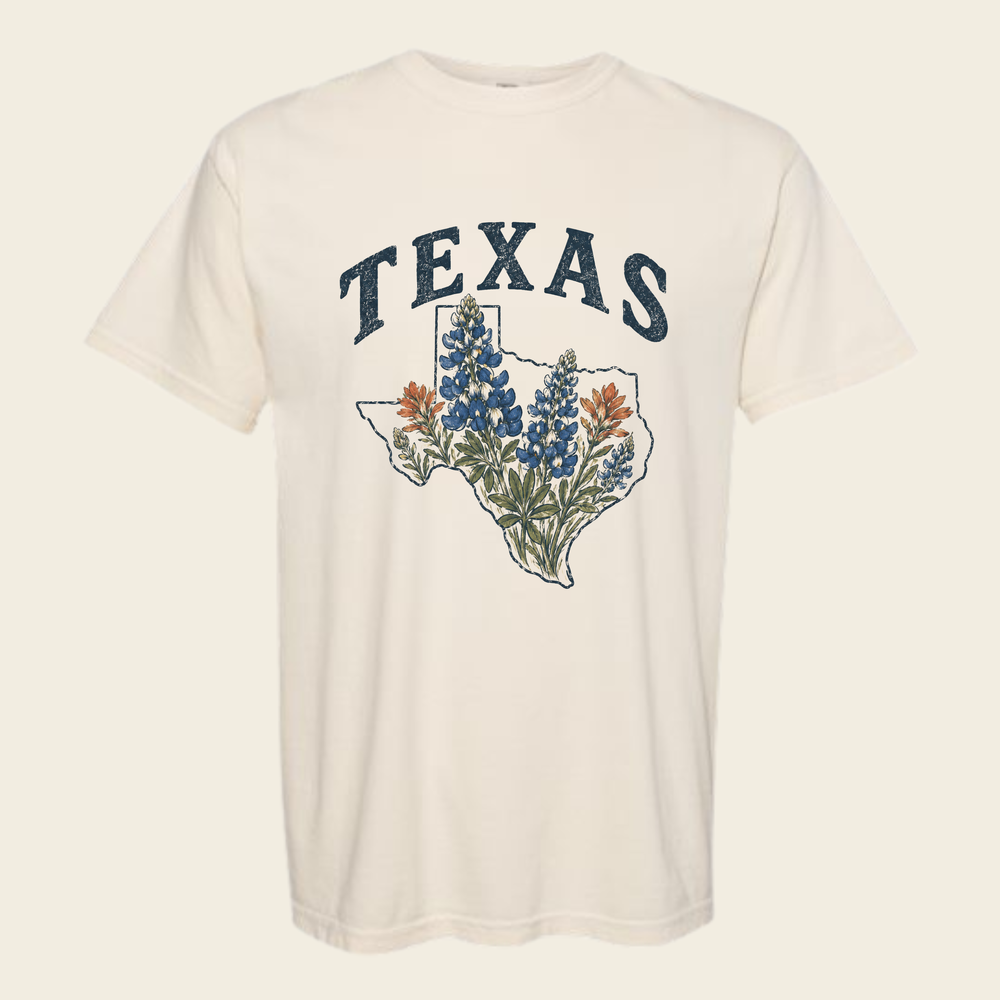
The move is simple. Pick any two small Hill Country or Blackland Prairie towns in late March or early April, draw the least direct line between them, and drive it. Stop where it's safe, stay out of the fields that are clearly someone's pasture, and don't trample the flowers, because the seed you crush is next year's patch. The state has a soft spot for this flower that borders on religious, which is roughly the feeling behind the Texas Bluebonnet Tee.
Eat where the parking lot is gravel
The barbecue pilgrimage towns have lines now. That's fine; the food earned it. But small-town Texas is full of meat markets and cafes that never got written up and never will be, and the rule for finding them holds up:
- If the sign says "Market" and there's a screen door, go in
- If the parking lot is gravel and half full of ranch trucks at 11 a.m., you're early enough
- If the menu is a whiteboard and something is already sold out, order what's left
- If it's a Czech town, get the kolaches, and get the sausage roll too, which locals will insist is called a klobasnek
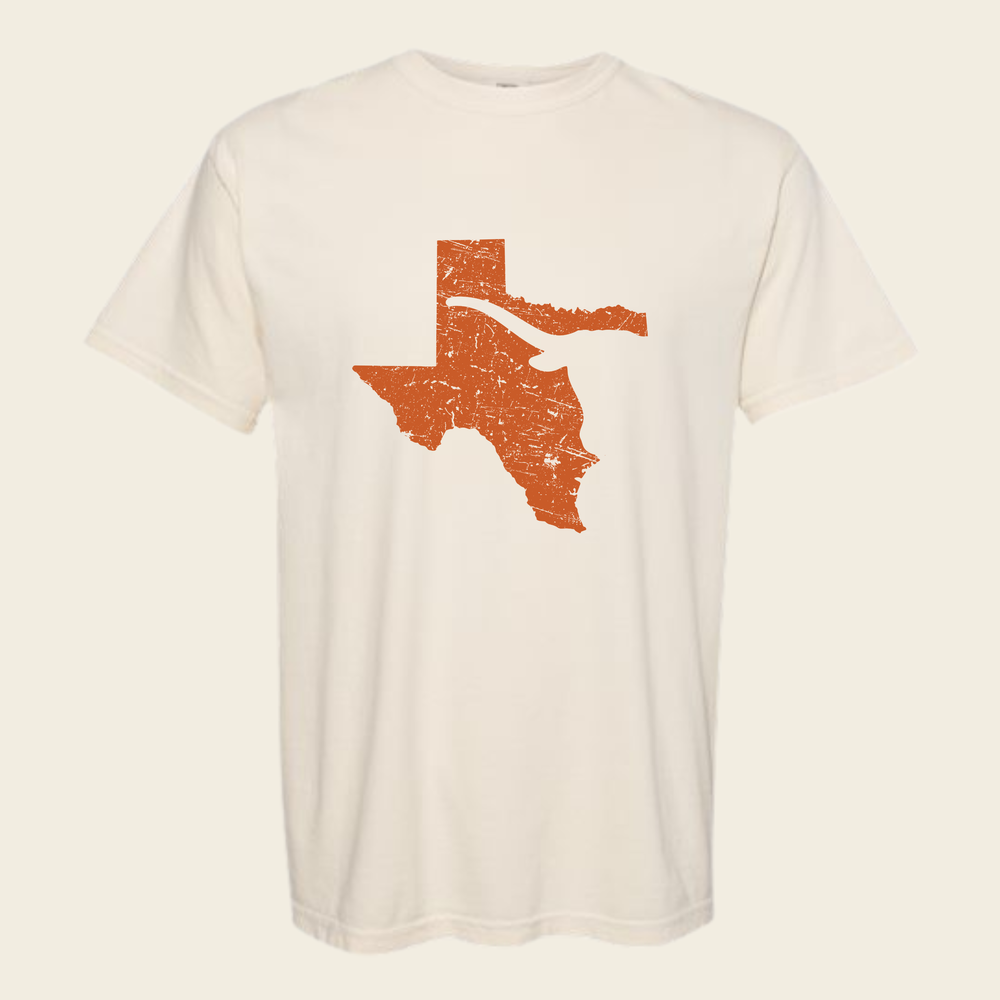
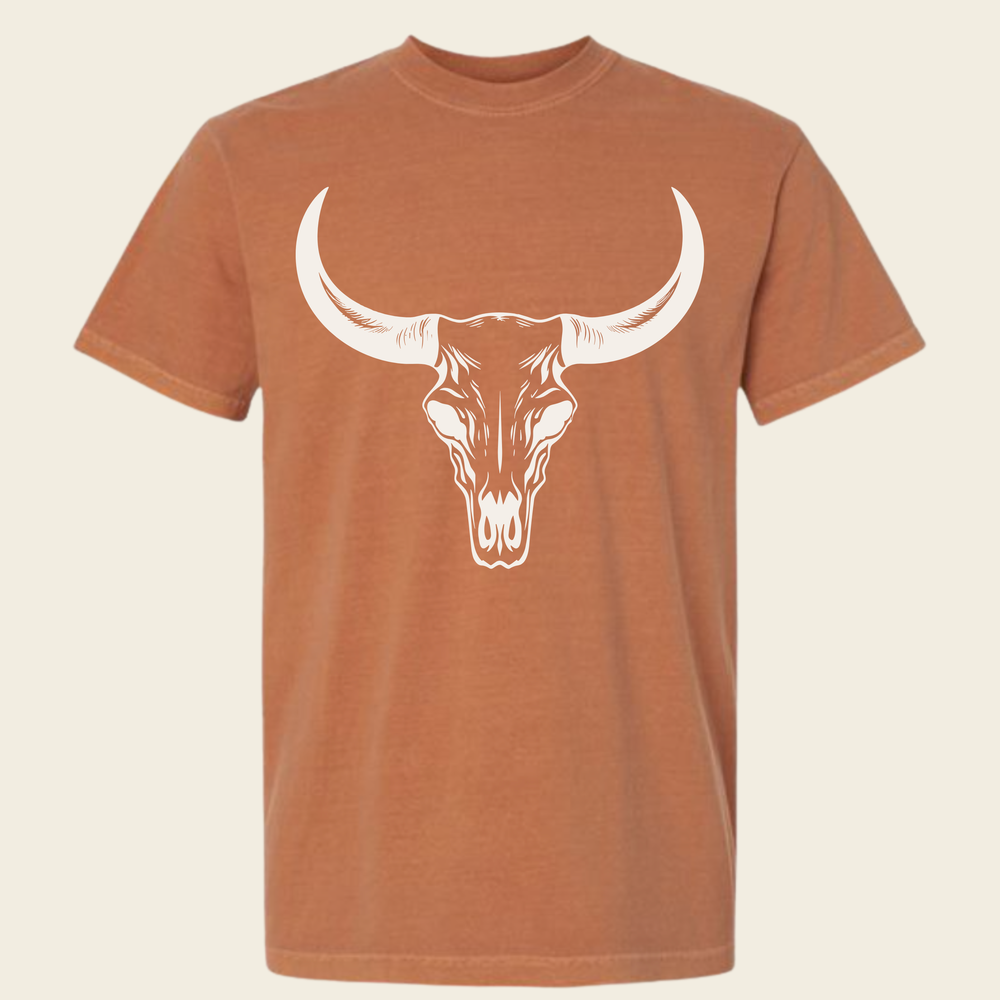
Order brisket by the pound, eat it off butcher paper, and don't ask for sauce until you've tried it without. If you like the whole longhorns-and-smoke version of the state, that's the territory the Lone Star Longhorn Tee comes from.
Summer, honestly
Here is the un-touristy truth about Texas: from June through September, the entire state is conducting a heat experiment and you are the subject. Locals adjust. They do things at dawn, they know which side of the street has shade, they float rivers instead of hiking trails, and they treat air conditioning as a moral good.
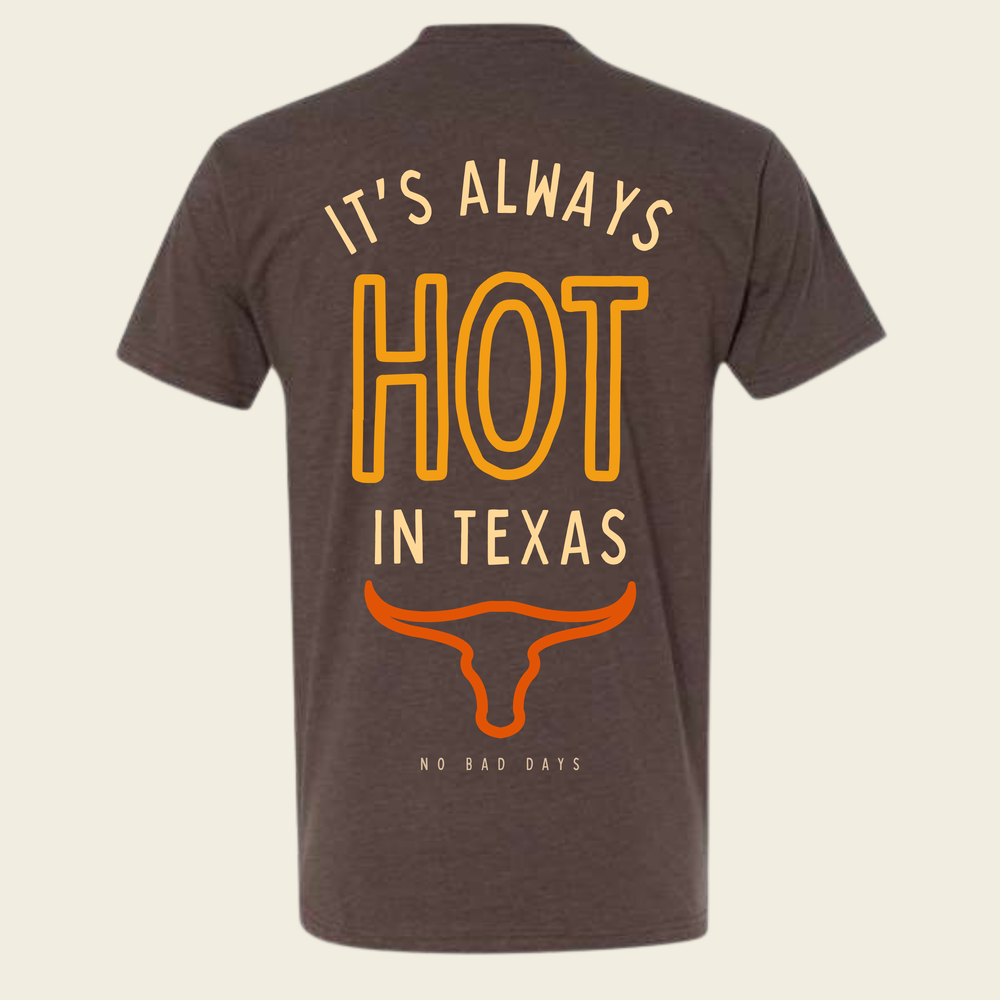
If you visit in summer, copy them. Be outside early, be in the water by noon, be under a ceiling fan by three. The heat isn't a flaw in the trip; it's the setting. It's also why the Hot in Texas Tee exists, because pretending otherwise never worked on anyone.
The best months for the empty Texas described above are October through April. Fall in the Panhandle, winter on the coast, spring for the flowers. Summer belongs to the rivers and to people with strong opinions about which barbecue joint has the coldest dining room.
Where the shirts come in
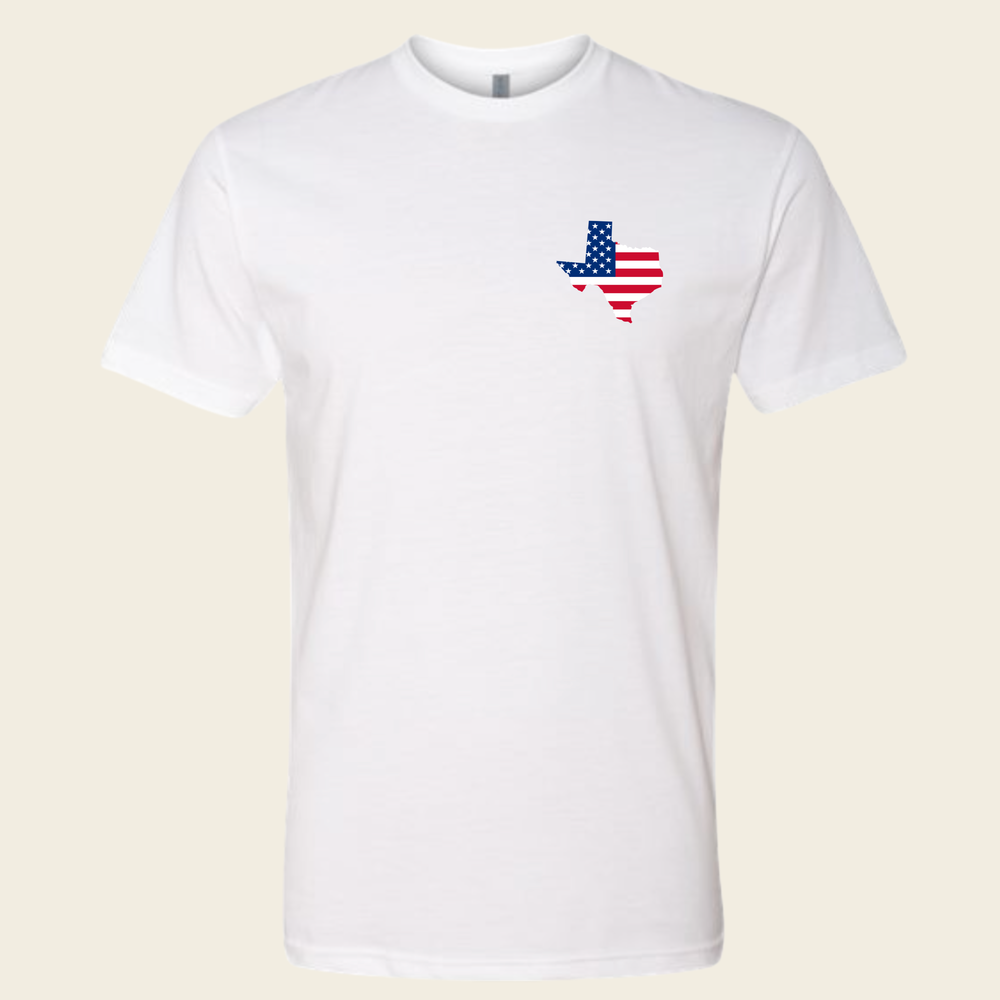
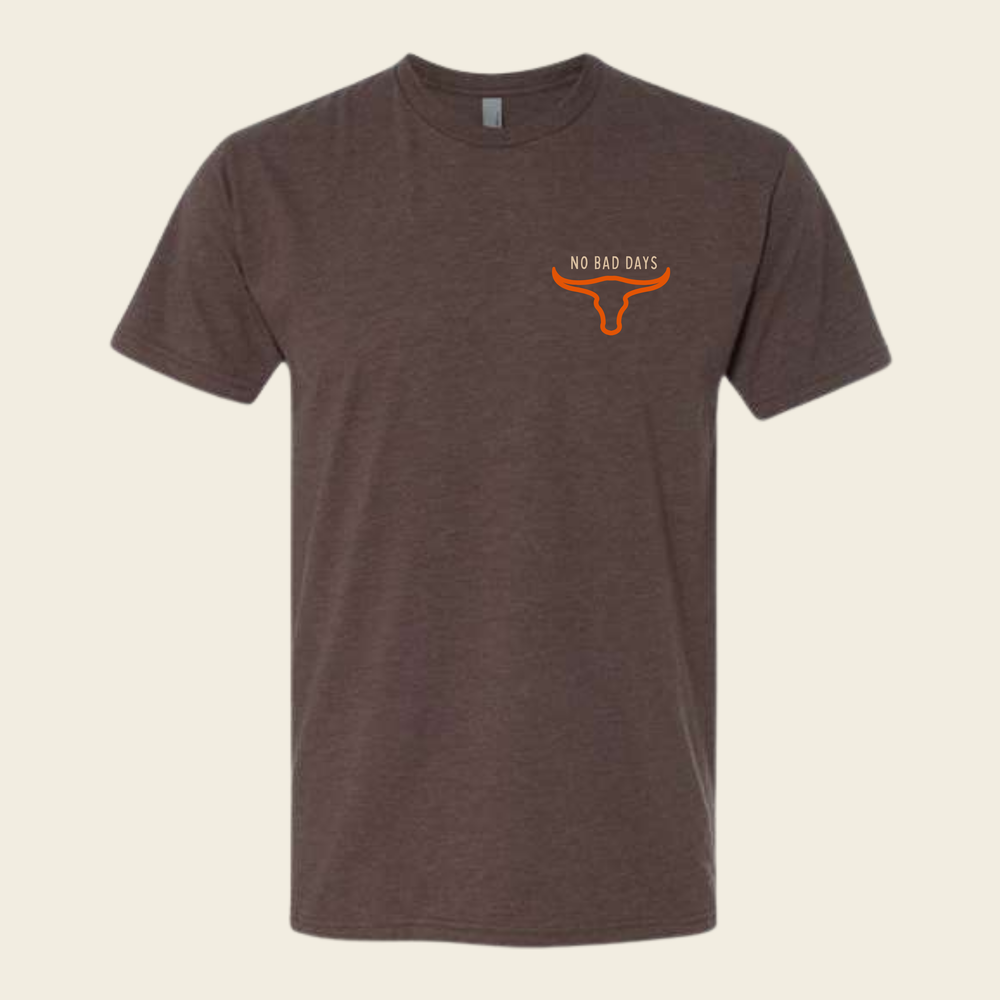
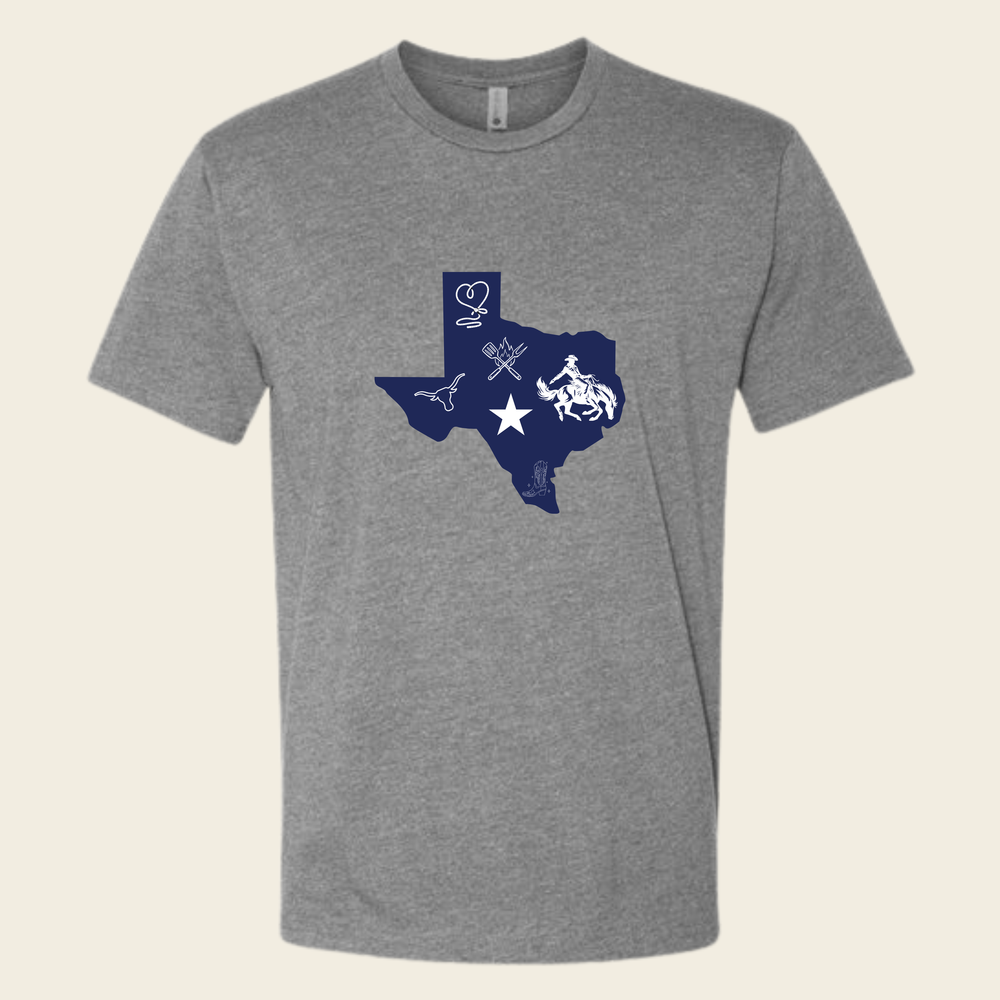
Land & Light makes graphic tees about places like these, the Texas that isn't performing for anyone. The whole Texas collection is drawn from that version of the state: the flowers, the longhorns, the heat, the flag. Wear one in Uncertain and see if anyone comments. They won't. That's the compliment.
Common questions
What's the least touristy region of Texas?
The Panhandle north of Amarillo and the deep East Texas piney woods see the fewest out-of-state visitors. Both are easy to drive but far from any interstate route people take on purpose, which keeps them quiet year-round.
When is the best time to visit Texas outside the cities?
October through April. Fall brings color to the Panhandle river valleys, winter is the best season on the Gulf Coast, and late March through April is bluebonnet season on the back roads. Summer is workable but demands early starts and rivers.
Is Caddo Lake worth the drive?
Yes, if you want the least Texas-looking corner of Texas. It's a cypress swamp on the Louisiana line, best seen from a small boat in the morning fog, with the town of Uncertain as your base. There's not much else to do there, which is the appeal.
Texas
Made by Land & Light — American lifestyle apparel with a sense of place and a sense of humor.
See every shirt