
Florida at Its Least Touristy: The Parts Nobody Puts on a Postcard
The Florida without wristbands: the Forgotten Coast, the Big Bend, springs country, and the cattle interior most visitors drive past.
The least touristy Florida is the top and the middle: the Forgotten Coast along the Panhandle, the Big Bend where the peninsula turns the corner, the spring country north of Ocala, and the cattle land around Lake Okeechobee. It is the Florida of boiled peanuts, mullet boats, two-lane roads, and towns where the biggest building is the courthouse.
Most visitors see the state through a windshield on I-95 or I-4, headed for a beach or a theme park. That version of Florida is real, but it is maybe a fifth of the map. The rest is quieter, older, and in a lot of ways more Southern than tropical. This is a rough guide to it.
The Forgotten Coast
Between Panama City and the Big Bend, the Gulf coast goes quiet. The stretch through Port St. Joe, Apalachicola, and Carrabelle got branded the Forgotten Coast, and the name stuck because it is accurate. There are no high-rises. US 98 runs right along the water for long stretches, and you can drive it at dinner time and count the other cars.
Apalachicola is the anchor town. It is an old port at the mouth of the Apalachicola River, and its identity is tied to seafood, particularly oysters, though the bay has had hard years and the working fleet is smaller than it was. You can still watch shrimp boats come in, eat at a raw bar, and walk the whole downtown in twenty minutes. St. George Island, across the causeway, has one of the better beaches in the state and almost none of the apparatus that usually comes with one.
What to do out here:
- Drive US 98 from Mexico Beach to St. Marks with no schedule.
- Eat seafood in Apalachicola and ask what came in that day.
- Walk the beach at St. George Island State Park.
- Stop in Carrabelle, where the pace drops another notch.
The Big Bend and the Nature Coast
Where the Panhandle curves into the peninsula, the coast stops being beach and becomes salt marsh, oyster bar, and tidal creek. Towns like Steinhatchee, Suwannee, and Cedar Key are fishing towns first and everything else second. Cedar Key sits out at the end of its own road on a cluster of small islands, and it feels like the end of something, because it is. Clam farming is a real industry there, and you will see the evidence at the docks and on the menus.
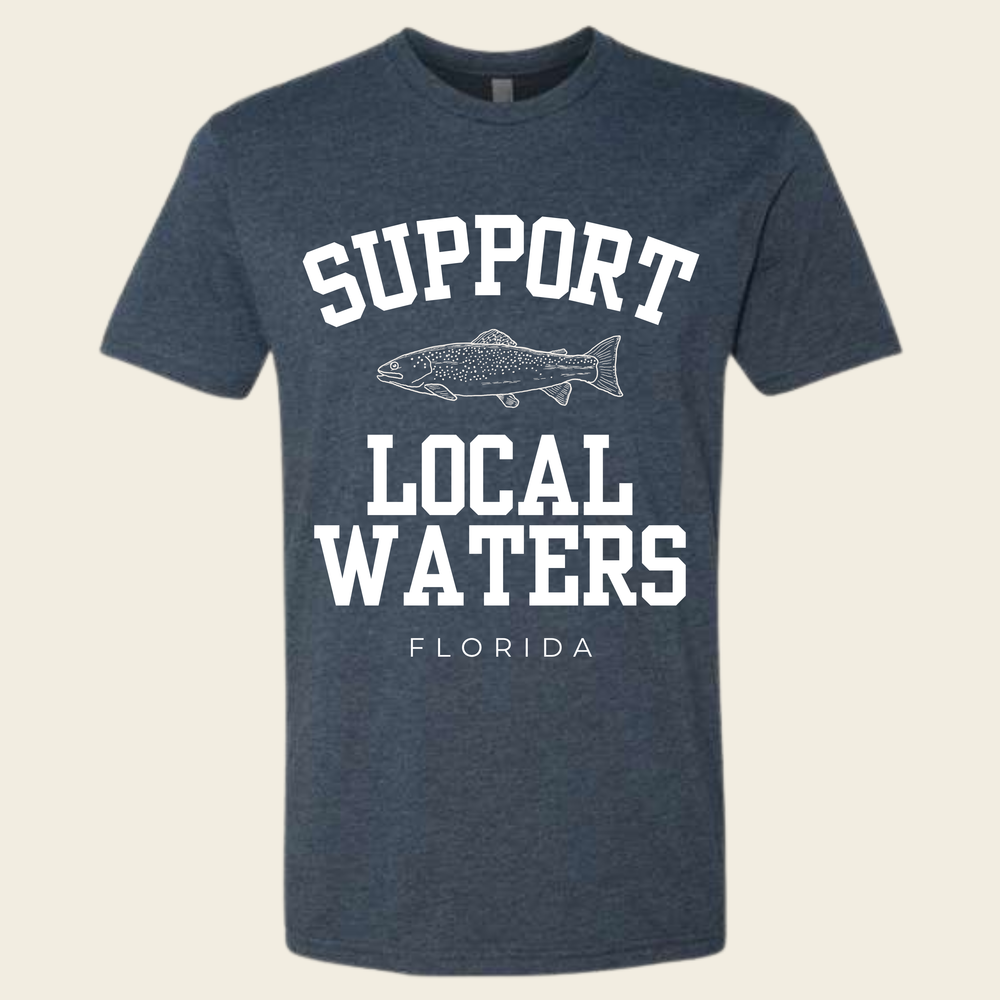
This is the coast for people who like water more than sand. Scalloping in summer draws crowds by local standards, which means the boat ramp line gets long, not that anyone builds a hotel. The rest of the year it is anglers, kayakers, and people who came for grouper and stayed for the quiet. If any coast in the state earns the sentiment on the Support Local Waters Tee, it is this one. The whole economy floats on clean water, and the people who live there know it.
Springs country
North central Florida sits on limestone, and the limestone leaks. The result is a concentration of freshwater springs that stay cold and clear year round, feeding rivers you can float in an afternoon. Ichetucknee Springs near Fort White is the classic tube run. Rainbow Springs near Dunnellon is bigger and easier. Ginnie Springs draws divers and, on summer weekends, a rowdier crowd. There are dozens of smaller ones with dirt parking lots and no gift shop.
The towns between the springs are worth the stops. Micanopy, just south of Gainesville, is a few blocks of live oaks, Spanish moss, and antique shops, and it looks like Florida did before air conditioning. High Springs works as a base for the whole region. None of this is a secret to Floridians, who treat the springs the way other states treat lakes, but it barely registers with out-of-state visitors.
- Go on a weekday if you can. Locals fill the popular springs on summer weekends.
- The water temperature barely changes with the season. It reads cold in July and warm in January.
- Bring cash for the small county-run springs. Some still work that way.
The cattle interior
Florida has a real cattle industry, and it lives in the middle of the state, roughly from Ocala down through Okeechobee and Arcadia. This is prairie and palmetto country, flat to the horizon, with ranch gates instead of surf shops. Kissimmee Prairie Preserve State Park protects a piece of the original landscape and is one of the darkest places in the state for looking at stars.
Arcadia holds a rodeo that draws people from across the region, and Okeechobee, the town on the north shore of the big lake, runs on fishing and ranching in about equal measure. Lake Okeechobee itself is enormous and mostly invisible from the road, hidden behind the Herbert Hoover Dike, but you can get up on the rim trail and see it stretch out like an inland sea. The towns around its south end, like Clewiston and Belle Glade, are sugar cane country, which is its own Florida entirely.
What to eat where the tour buses don't go
Inland and small-coast Florida eats more like Georgia and Alabama than like Miami. Some things to order when you see them:
- Smoked mullet, a Gulf coast staple, often served as a dip.
- Boiled peanuts from a roadside cooker, green ones if the sign says so.
- Swamp cabbage, which is heart of palm, when a fish camp has it.
- Fried grouper or catfish at whatever place has a gravel lot full of trucks.
- Fresh clams anywhere near Cedar Key.
The rule is simple: eat what the water or the field nearby produces, and skip anything a menu calls a platter unless the platter is the point.
How to do it right
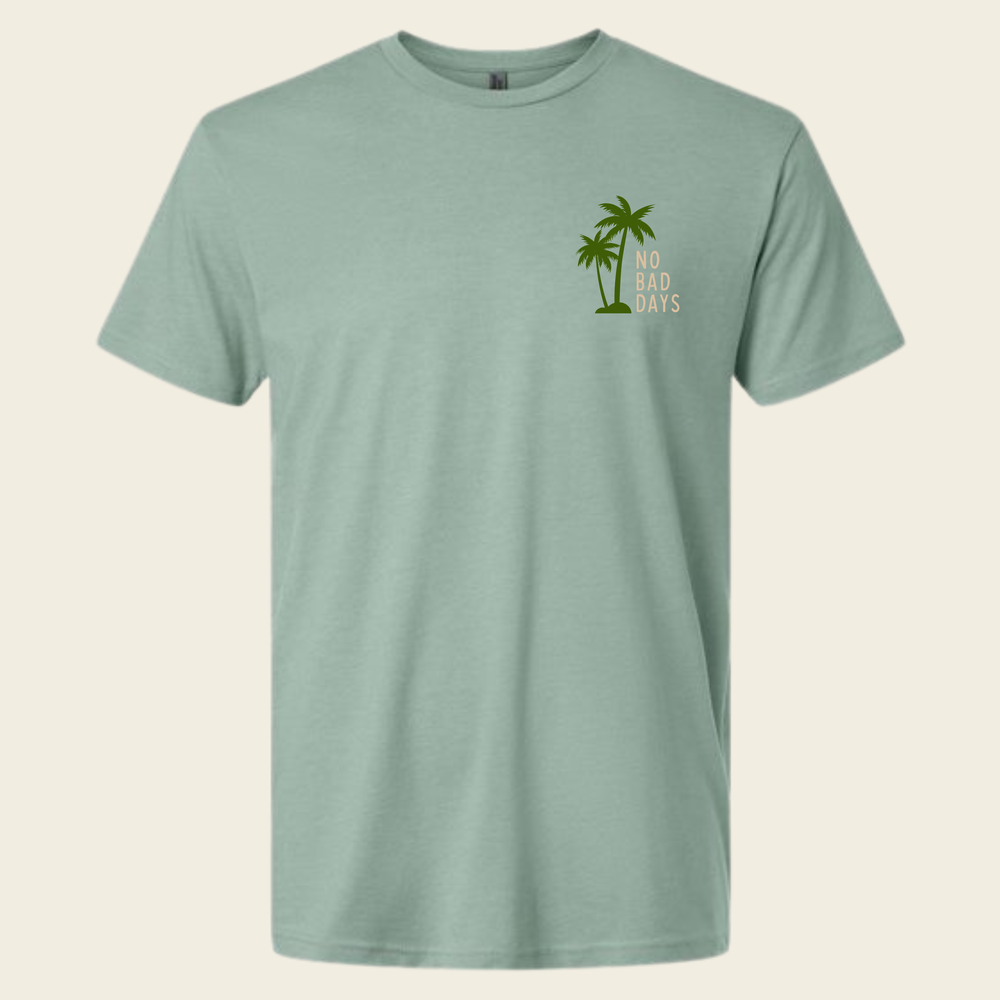
This part of Florida rewards a slower approach. Take US 98, US 27, US 441, or State Road 70 instead of the interstates. Talk to the person at the bait shop. Accept that some towns roll up early and plan dinner accordingly. Late fall through spring is the comfortable window inland, when the humidity backs off and the days settle into the kind of weather the 73 Degrees Tee is named for. Summer belongs to the springs and to anyone willing to be on the water by seven in the morning.
And leave things how you found them. The springs, the flats, the oyster bars, all of it is fragile, and the people who live on it are the ones who pay when it goes wrong.
Why this Florida is worth the detour
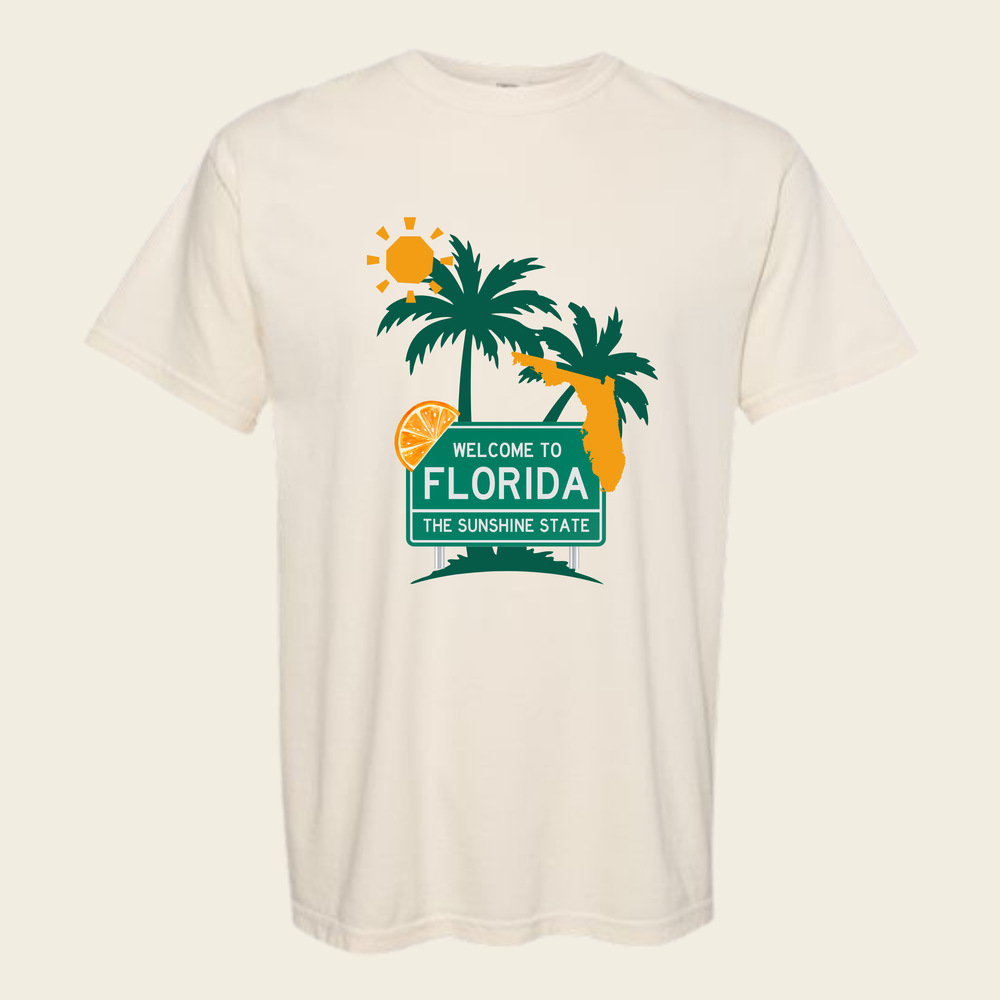
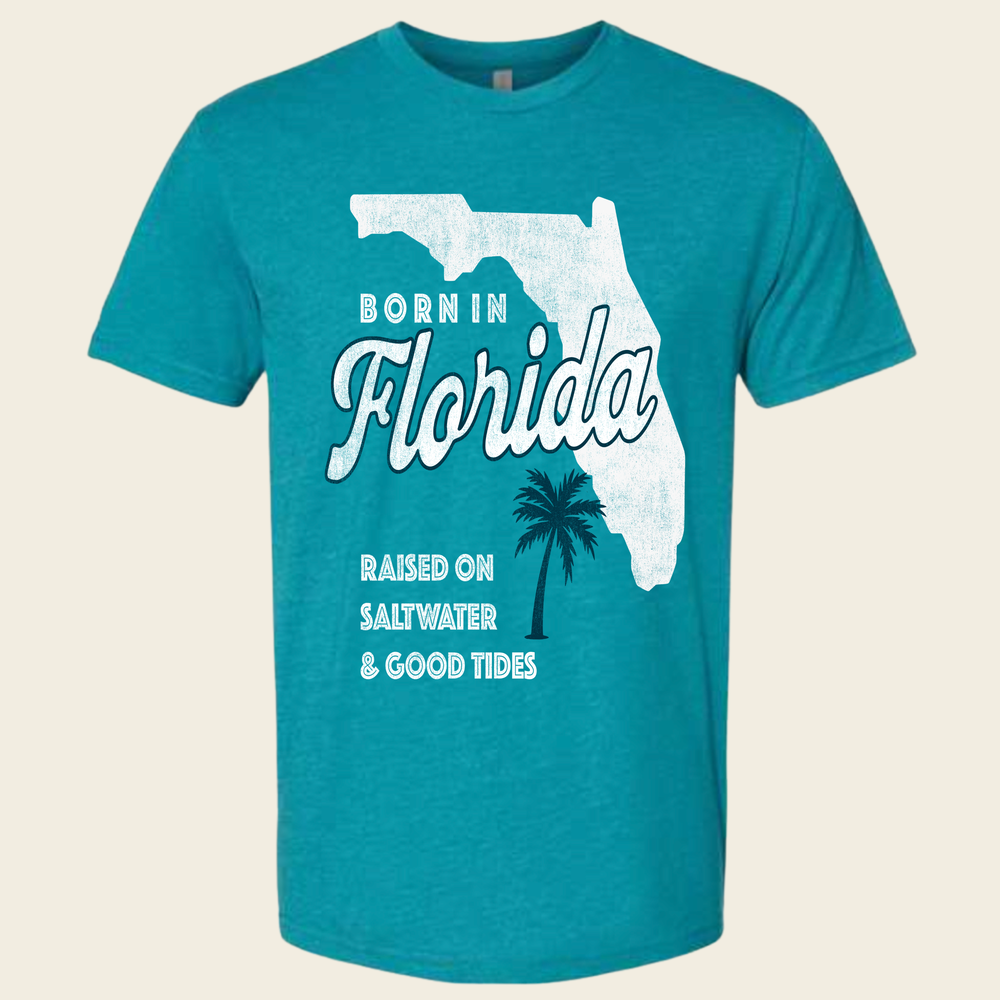
The tourist corridors are built to be the same every day. The rest of the state is not. A mullet boat coming into Steinhatchee, a spring run under cypress, a cattle gate on a shell road near Okeechobee: none of it is staged, and none of it needs you there to keep running. That is what makes it worth seeing. If you come home with a soft spot for the place, our Florida collection covers both versions of the state, and the Welcome to Florida Tee reads a little differently once you have seen the whole map.
Common questions
What is the least touristy part of Florida?
The Big Bend and Forgotten Coast, from roughly Carrabelle to Cedar Key, see the fewest out-of-state visitors relative to how much coast they have. The cattle interior around Okeechobee and Arcadia is even quieter, but there is less infrastructure for visitors.
When is the best time to visit rural Florida?
Late October through April is the comfortable window for inland driving, hiking, and small towns. Summer is hot and humid but is the season for the springs and for scalloping in the Big Bend.
Is the water at Florida springs really cold?
The big springs stay at roughly the same temperature all year, in the low seventies, because the water comes from underground. It feels cold on a summer day and surprisingly warm on a winter one.
Florida

Made by Land & Light — American lifestyle apparel with a sense of place and a sense of humor.
See every shirt