
Public Land You Can Walk Into Without Asking Anyone
BLM land and national forests are open to you by default. Here's how that works, where to start, and the few rules that actually matter.
If you're an American, you already have standing permission to walk onto hundreds of millions of acres of land. Most Bureau of Land Management land and most national forest land is open by default — no reservation, no gate, no one to ask.
That fact surprises people, mostly because the parts of public land that get photographed are the parts with entrance booths. National parks have lines. The land around them usually doesn't. This is a short guide to the open-door version of public land: what it is, where it is, and the handful of rules worth knowing before you drive out a dirt road and shut the engine off.
What "open by default" actually means
Public land in the United States comes in flavors, and the flavor determines the rules. National parks are the most managed: fees, permits, designated campsites, rangers who will find you. At the other end sit BLM land and national forests, where the baseline assumption flips. Unless a specific area is closed or restricted — and closures are posted — you can walk in, hike, camp, and generally exist there without asking anyone.
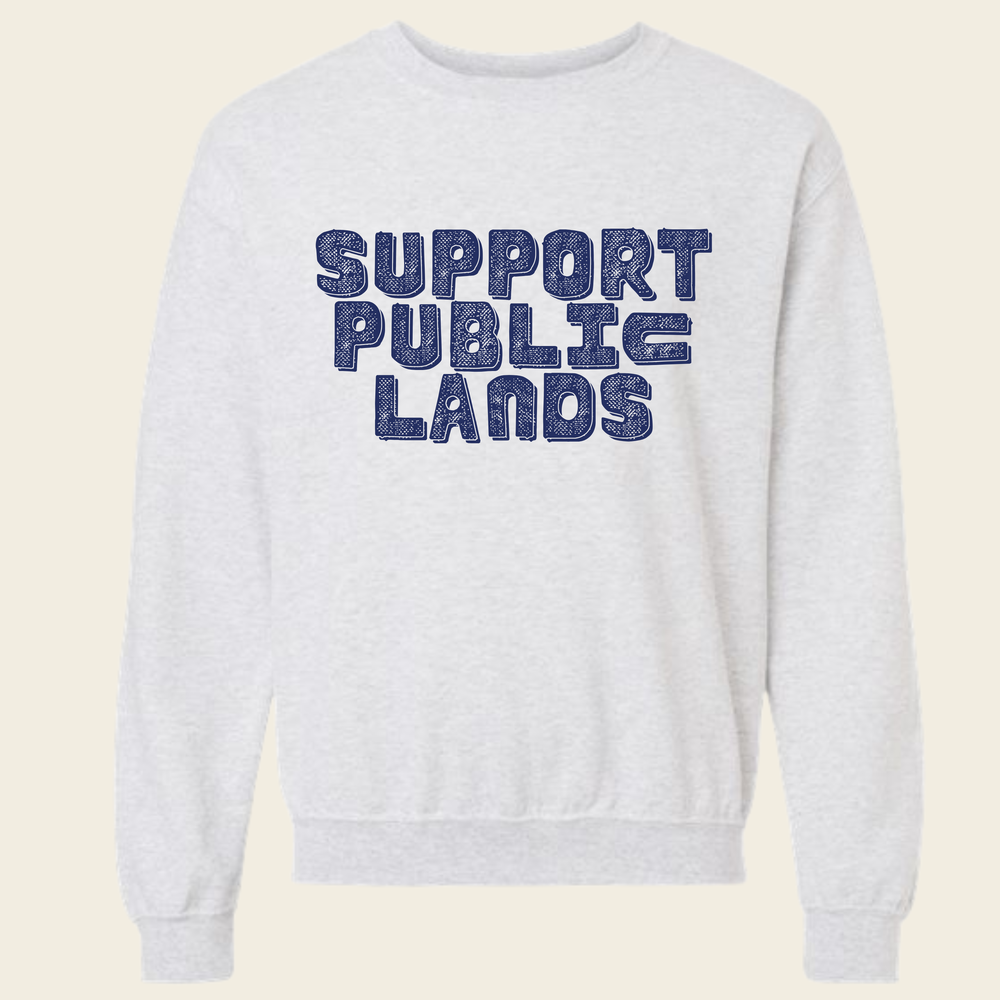
Nobody checks you in. Nobody knows you're there, which is both the appeal and the responsibility. It's your land in the plainest sense: you hold it in common with everyone else, which is roughly the idea behind our Support Public Lands Crew. The land doesn't belong to the agency. The agency just keeps the books.
BLM land: the biggest open door in the country
The Bureau of Land Management runs the largest chunk of federal land, and almost all of it sits in the West — Nevada, Utah, Wyoming, Arizona, New Mexico, eastern Oregon, and big stretches of California and Colorado. Much of it is the land nobody wanted a hundred years ago: sagebrush basins, desert washes, rimrock. That's exactly why it stayed public.
The classic BLM experience is dispersed camping. You drive a dirt road, find a spot that's clearly been camped in before — a flat pullout, an existing fire ring — and you stay there. Free. The standard limit is 14 days in one spot, after which you're expected to move along. The Alabama Hills outside Lone Pine, California, are the famous version: granite boulders under the Sierra crest, dirt roads threading between them, and people camped in every direction. The land around Moab, Utah, works the same way, though it's popular enough that the BLM has moved some of it to designated sites. The less famous version is almost everywhere else in Nevada, and you'll often have it entirely to yourself.
National forests: the version east of the Rockies
If you live east of Denver, BLM land is mostly a rumor. National forests are your open door instead. The Forest Service manages land in most states, and the same default applies: open to walk in, and dispersed camping is generally allowed outside of developed areas, subject to the local district's rules.
Pisgah and Nantahala in western North Carolina, the White Mountain National Forest in New Hampshire, the Ozark National Forest in Arkansas, the Hoosier in southern Indiana — none of them require you to ask permission to park at a trailhead and start walking. Eastern forests tend to have more designated-site rules near popular corridors, so the honest advice is to look up the specific ranger district before you commit to a plan. But the underlying deal is the same one.
The rules that actually matter
The freedom is real, and so is the fine print. Most of it condenses to this:
- 14-day limits. The common standard for dispersed camping on BLM and Forest Service land. You're a visitor, not a resident.
- Camp where people have camped. Use existing pullouts and fire rings. Don't drive off established roads to make a new spot — tire tracks in desert soil last for decades.
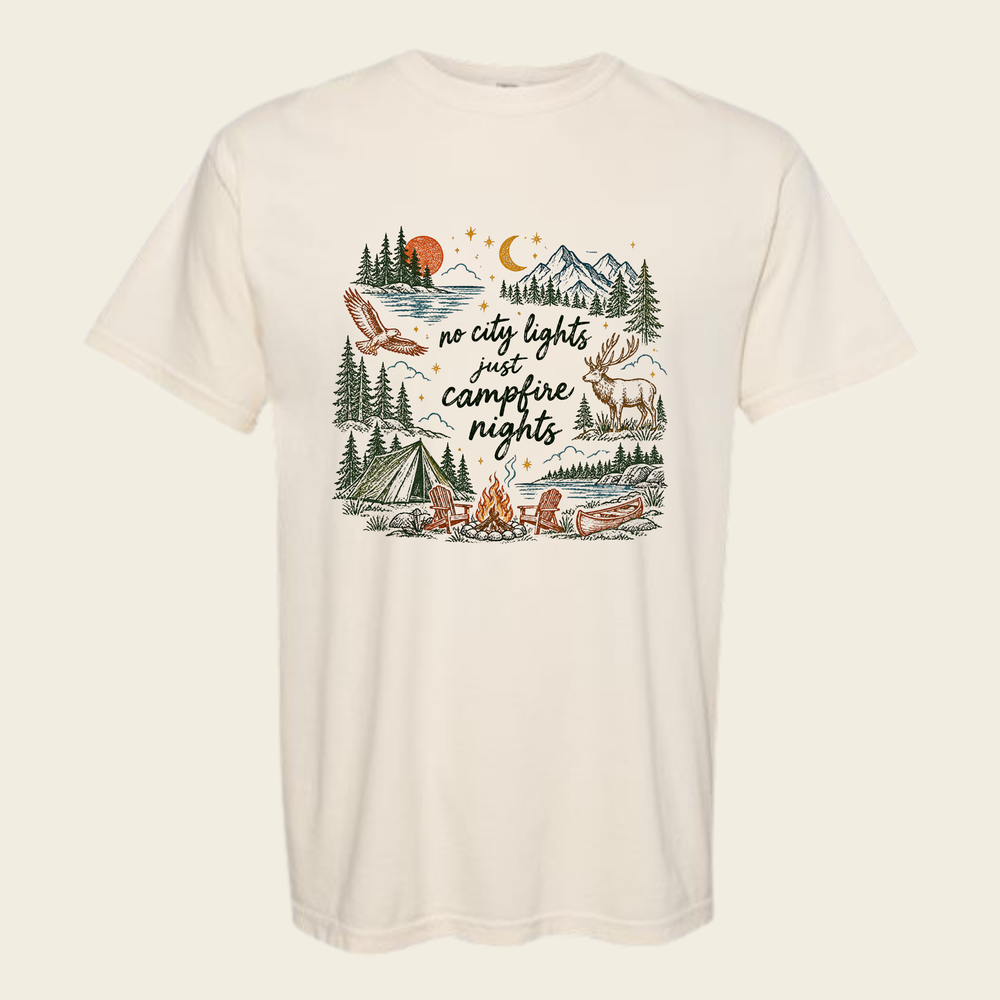
- Fire restrictions are not suggestions. They change with the season and are posted at ranger stations and online. In much of the West, late summer means no open flame at all. When fires are allowed, a small one in an existing ring is the whole tradition — the entire premise of the Bonfire Nights Crew depends on people not burning the forest down first.
- Pack out everything. There are no trash cans because there is no staff. Whatever you carry in, you carry out, including things that feel biodegradable.
- Bury human waste properly, well away from water. Or pack it out where the land is too rocky or too crowded to dig.
- Leave gates the way you found them. Grazing leases exist on a lot of this land. Open gate stays open, closed gate stays closed.
None of this is complicated. It's the same request every time: leave it the way you found it, or slightly better. Or as we put it on the Don't Be An Assquatch Tee: don't be an assquatch.
The catches: checkerboard, inholdings, and state trust land
Not everything that looks empty is open. Three traps worth knowing:
- Checkerboard land. Along old railroad corridors in the West, public and private land alternates in mile-square blocks. The public squares are yours; the private ones aren't, and they're rarely fenced or signed.
- Private inholdings. A ranch or cabin parcel can sit entirely inside a national forest. The forest is open. The inholding is not.
- State trust land. This one fools people constantly. It looks like public land on the map, but in several states — Arizona is a well-known example — it's managed to generate revenue and requires a permit even to walk on. State trust land is not the same thing as a state park or state forest.
The fix for all three is a decent mapping app with land-ownership layers, or the paper travel maps sold at ranger stations. Ten minutes of checking beats a conversation with a landowner who has had this conversation too many times already.
A few honest places to start
- Alabama Hills, California. BLM land off Whitney Portal Road near Lone Pine. Movie Road winds through the boulders. Busy for a reason.
- Buffalo Gap National Grassland, South Dakota. Public grassland bordering Badlands National Park. Camp on the rim outside the park boundary for free while the paying crowd sleeps in a campground.
- Coconino National Forest, Arizona. Forest roads south of Flagstaff and outside Sedona, with ponderosa pine up high and red rock down low. Check current fire and camping restrictions — parts near Sedona have tightened.
- Anywhere in central Nevada. Pick a dirt road off Highway 50. The dark sky out there is the real product; it's the kind of night that inspired the Campfire Cryptids Tee, because after enough hours staring past the firelight you'll believe in almost anything.
- Your nearest national forest. Genuinely. Look up the closest one and find a trailhead. For most of the eastern half of the country this is a shorter drive than people assume.
If this is your kind of subject, the rest of our outdoors collection lives in the same territory.
Common questions
Is it really free to camp on BLM land?
Dispersed camping on most BLM land is free, with a standard 14-day limit in one location. Some high-traffic areas have been converted to designated sites or fee campgrounds, so check the local field office's rules for anywhere popular.
How is BLM land different from a national park?
National parks are heavily managed, with entrance fees, reservations, and designated campsites. BLM land runs on the opposite default: open unless posted otherwise, with almost no infrastructure and almost no staff. You trade amenities for freedom.
How do I know if land is actually public?
Use a mapping app with land-ownership layers or a Forest Service travel map, and check before you go, since cell service is unreliable out there. Watch for the traps: private inholdings, checkerboard parcels, and state trust land that requires a permit despite looking public on the map.
Outdoors

Made by Land & Light — American lifestyle apparel with a sense of place and a sense of humor.
See every shirt