
Small Grants, Clean Creeks: Kentucky Just Put Fresh Money Behind Its Watersheds
Kentucky opened $336K in environmental grants to local conservation districts — quiet, practical money that keeps creeks and rivers clean.
Here's a piece of good news that won't make the front page but will make a difference in a lot of creek bottoms: as WBKO reported in August, Kentucky announced that up to $336,000 through the Environmental Grant Program is now available to county conservation districts to help address agricultural and environmental challenges. It's not flashy money. It's the kind of money that keeps a farm pond from silting in and a creek from carrying somebody's problem downstream.
What happened
In early August, the state opened applications for its annual round of environmental grants, and applications are being accepted until November 15 through the Kentucky Division of Conservation, with county conservation districts eligible to apply. The program isn't new — the Commonwealth has provided environmental grants to conservation districts since the 1990s, with grants awarded by the Soil and Water Conservation Commission and funds coming from pesticide registration fees. The scale is deliberately local: the maximum grant amount is $5,000, and the maximum cost share rate is 75 percent. Five thousand dollars doesn't sound like much until you remember that's exactly the size of most real problems on a Kentucky hillside.
Why it matters for the water
This is watershed work in its plainest form. The program helps reduce agricultural pollution that may wash into Kentucky's rivers, streams, lakes and groundwater — which is to say, it catches trouble before it ever reaches the water. The track record backs it up. Past projects have included the distribution of native trees and tree seedlings, which promotes reforestation, improves wildlife habitat, reduces soil erosion, and enhances water quality. And it works on the unglamorous stuff too: landowners have benefited from septic system repair and replacement programs, reducing the potential for untreated wastewater to enter surface and groundwater. Nobody puts a septic repair on a postcard. But the smallmouth in the creek below appreciate it.
A state that keeps showing up for its rivers
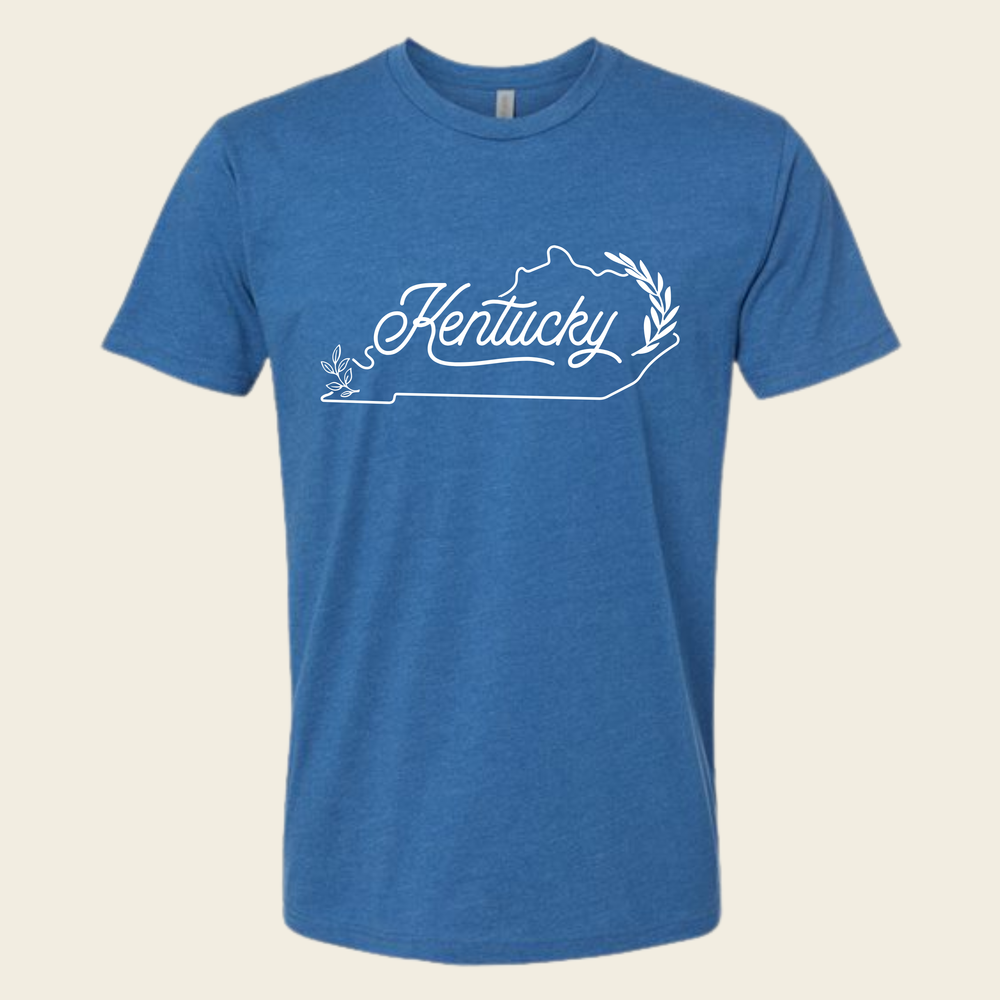
What's quietly encouraging is that this sits inside a bigger Kentucky habit. The Kentucky Waterways Alliance runs its own seed-funding effort — KWA announced its 2026–2028 Watershed Grants program, offering seed funding to support organizations committed to protecting and restoring Kentucky's rivers and streams — and it keeps boots in the water, too: each year KWA hosts at least one cleanup in each of Kentucky's seven river basins as part of its Commonwealth Sweep program. Seven basins, every year. From the Big Sandy to the Jackson Purchase, somebody's out there hauling tires. If you've ever waded a Kentucky creek in July — the kind of afternoon our Script Kentucky Tee was made for — you know exactly what's being protected.
What you can do
The nice thing about this story is that it has a door you can walk through. The program is open to more than just farmers, and folks are encouraged to go to their local conservation district and see what programs are available. Every Kentucky county has a conservation district, and they are staffed by people who genuinely want to help you plant trees, fix a gully, or fence a creek. If you'd rather get wet than fill out paperwork, find a river cleanup near you this fall — the Commonwealth Sweep covers the whole state. And if you just want to fly the flag for the home water, our Kentucky collection is our way of doing the same.
Common questions
Who can actually apply for these grants?
County conservation districts are the applicants — but the projects they fund reach regular people. The program is open to more than just farmers, so your local district is the right first phone call whether you own forty acres or a backyard with a drainage problem.
How long do applicants have?
Applications are being accepted until November 15 through the Kentucky Division of Conservation, so districts have most of the fall to line up projects.
Does $5,000 really move the needle?
On a statewide budget line, no. On one eroding stream bank or one failing septic system, absolutely — and Kentucky has been making these grants since the 1990s, so the small wins have had thirty years to stack up.
Reported by WBKO. Details as published at the time of writing.
Kentucky



Made by Land & Light — American lifestyle apparel with a sense of place and a sense of humor.
See every shirt