
The Best Water in Ohio
Where to actually get in, on, or near the water in Ohio, from Lake Erie's islands to the Hocking Hills and the Mohican.
The best water in Ohio is Lake Erie, and it isn't close. But the state's second tier — the Mohican, the Maumee in spring, the waterfalls of the Hocking Hills, the steelhead creeks east of Cleveland — is deeper than people from anywhere else would guess.
Ohio gets filed under farmland and football, which is fair, but it's also a state with a Great Lake across its entire northern edge and a surprising amount of moving water in between. Here's where it's actually worth getting wet.
Lake Erie, the obvious answer
Erie is the shallowest and warmest of the Great Lakes, which matters if you plan to swim in it rather than admire it. By July the water off the Ohio shore is genuinely comfortable, which is not something anyone says about Lake Superior.
The stretch to know is the western basin, roughly from Toledo to Sandusky. Port Clinton and Marblehead are the jumping-off points, and the Marblehead Lighthouse is the photo everyone takes, usually with a walleye boat somewhere in the frame. Erie's western basin is famous for walleye — charter captains work out of every harbor along that shore, and a good day out there fills a cooler.
For swimming without a boat, Headlands Beach State Park east of Cleveland has a long natural sand beach that feels more like the ocean than the Midwest, and East Harbor State Park near Marblehead is the family option. Erie also does weather. A calm morning can turn into whitecaps by afternoon, so people who grew up on it check the forecast the way people elsewhere check traffic.
The islands
The Lake Erie islands are the closest thing Ohio has to a coastal vacation culture, and they lean into it. Ferries run from Port Clinton and Catawba in season.
- Put-in-Bay (South Bass Island) is the loud one — golf carts, bars, live music, and Perry's Monument towering over all of it. Go on a weekday if you want any quiet.
- Kelleys Island is the calm one. The Glacial Grooves there are exactly what they sound like: deep channels carved into limestone by ice, and worth the walk even if geology isn't your thing.
- Middle Bass is the quiet one, mostly a state park and a marina, good for people who want the lake without the bachelorette parties.
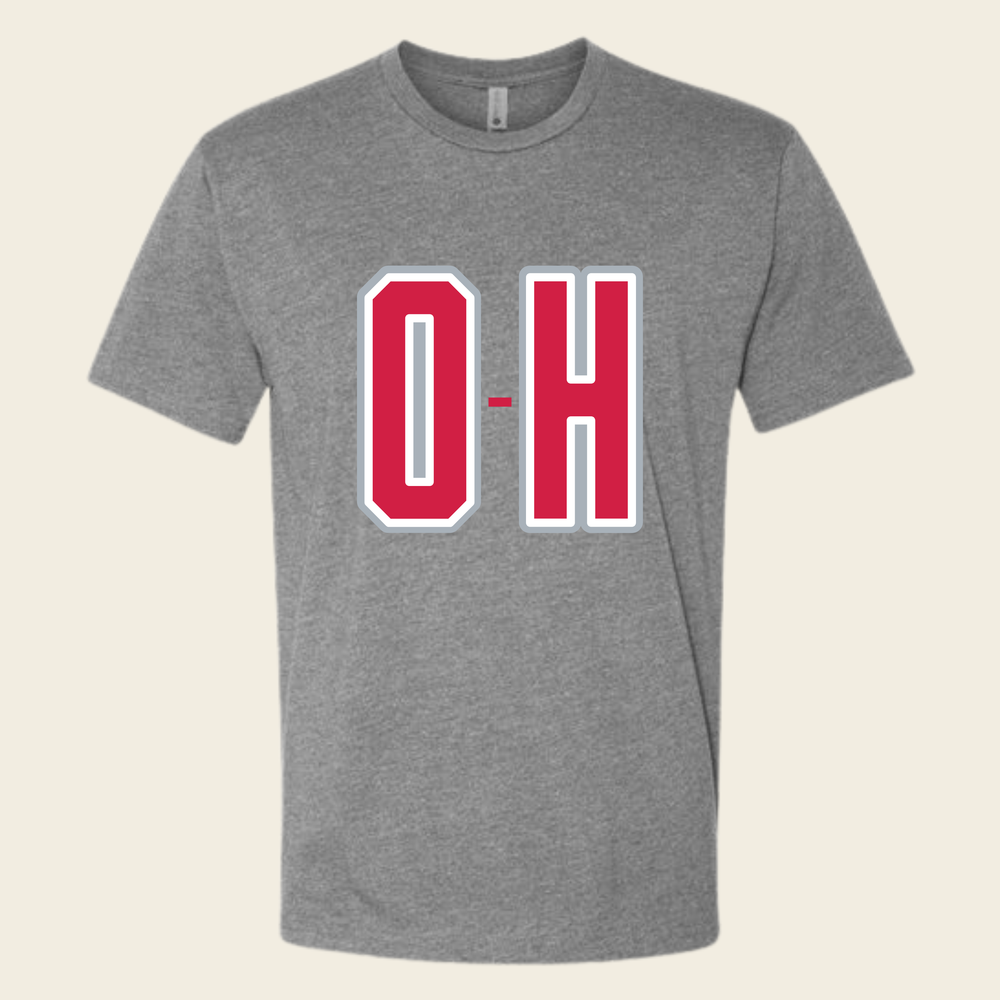
If you've spent a summer weekend out there, you already know the O-H-I-O photo happens on every ferry deck. The O-H Tee exists for exactly that person — the one who starts the call-and-response with strangers on the boat.
Steelhead Alley
East of Cleveland, the rivers that drain into Erie — the Rocky, the Chagrin, the Grand, Conneaut Creek — fill up with steelhead in the cold months. The fish run up from the lake starting in fall and stay through early spring, and anglers stand in freezing water for them, happily, because a steelhead on light tackle in a small river is one of the best fights in freshwater.
This stretch gets called Steelhead Alley, and it draws people from well outside Ohio. The Rocky River is the accessible one, running through Cleveland Metroparks with parking lots practically on the water. The Grand and Conneaut are wilder and less crowded. None of it requires a boat, expensive gear, or a guide — a pair of waders, a few spawn sacs or a swung fly, and a tolerance for numb fingers.
The Maumee walleye run
Every spring, walleye push out of Lake Erie and up the Maumee River near Toledo to spawn, and for a few weeks the river turns into something like a festival. Anglers stand shoulder to shoulder in the current below Perrysburg, and the parking lots and bait shops along the river do a year's worth of business in a month.
It's crowded, cold, and occasionally chaotic, and people come back every year anyway. If you want to see Ohio water culture at its most concentrated, this is it. Timing depends on water temperature and flow, so locals watch river reports the way other people watch sports scores.
Hocking Hills, where the water falls
Southeast of Columbus, the Hocking Hills are sandstone gorges full of hemlocks, cliffs, and waterfalls, and they look nothing like the Ohio of the highway. Old Man's Cave is the famous trail, and it earns the crowds. Cedar Falls is the most reliable waterfall in the park. Ash Cave is an enormous recess cave with a thin falls dropping off its rim, best after rain.
The move most visitors miss: go in winter. The falls freeze into columns, the crowds vanish, and the gorges are quieter than almost anywhere else in the state. Spring after a hard rain is the other right answer, when everything is running full.
The Hocking River itself is a gentle paddle, and the liveries around Logan rent canoes and kayaks all season. Nobody's running rapids here. That's not the point. The point is drifting under sandstone bluffs with a cooler.
The Mohican and the canoe livery belt
Loudonville, in north-central Ohio, calls itself the canoe capital of the state, and the claim holds up. The Mohican River and the Clear Fork run clear and shallow through wooded hills, and the town is ringed with liveries that will put you on the water for an afternoon or a full day.
The Clear Fork below Pleasant Hill Dam is also one of Ohio's better trout waters, stocked and cold enough to hold fish through summer, and Mohican State Park's covered bridge is the landmark everyone floats past. It's an easy day trip from Columbus or Cleveland, which is why summer Saturdays get busy. Go on a weekday in September and you'll have long stretches to yourself.
The Cuyahoga, the comeback
The Cuyahoga famously caught fire when it was at its industrial worst, and it became the national shorthand for polluted water. That's not the river anymore. Today people paddle it through Cuyahoga Valley National Park, herons work the banks, and the stretch through downtown Cleveland is lined with rowing clubs and patios instead of slag.
The Towpath Trail follows the old canal route alongside the river for miles, so you can bike it even if you never touch the water. For a state that took the blame for a burning river, the Cuyahoga's recovery is a quietly good story, and Ohioans are entitled to be smug about it.
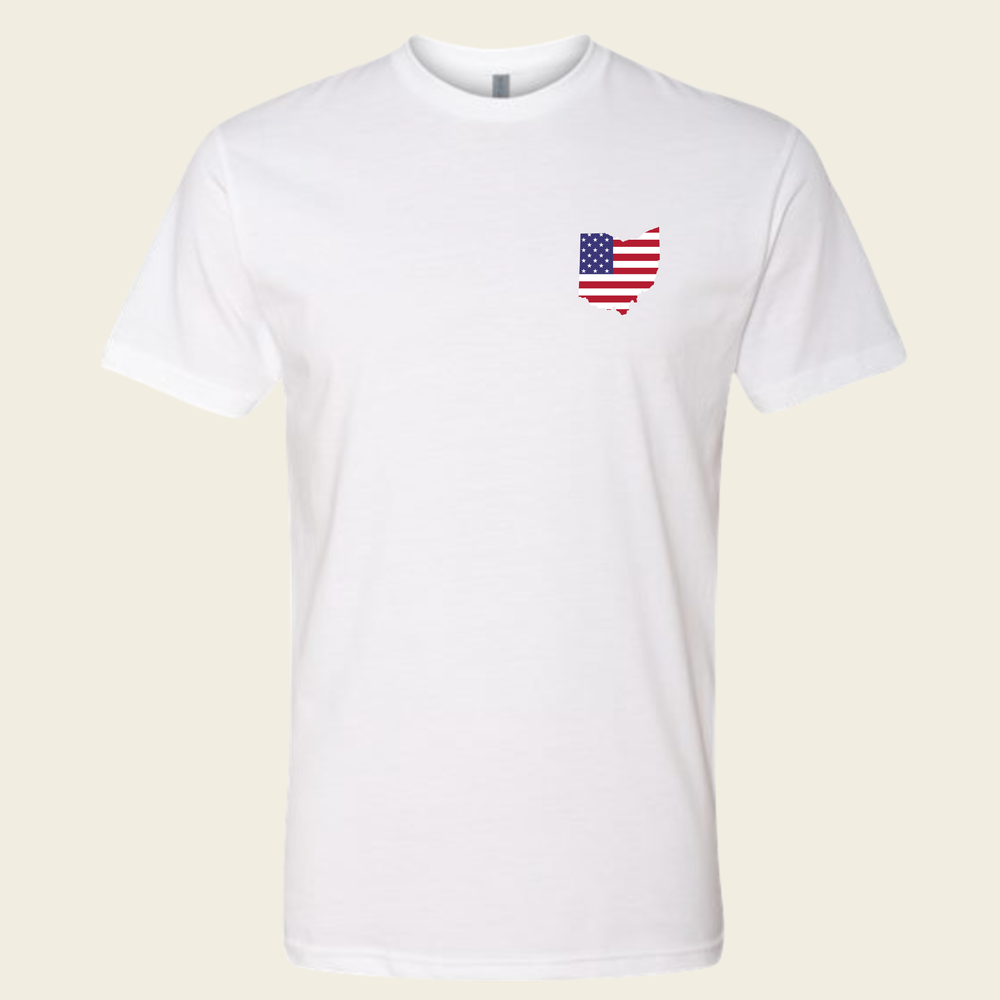
If any of this sounds like your Ohio — the ferry, the walleye run, the gorge trail in January — the Ohio collection was made with those places in mind, and the Ohio State Pride Tee covers the rest of the calendar, which in Ohio is football season.
Common questions
Is Lake Erie actually clean enough to swim in?
Generally yes, at the maintained state park beaches, though conditions vary with weather and algae in late summer. Ohio posts beach advisories, so check before you go rather than guessing from the shore. The western basin can look murky simply because it's shallow and stirred by wind, not because it's dirty.
When should I visit Hocking Hills for the waterfalls?
Spring after rain is the best flow, and winter is the best atmosphere, when the falls freeze and the crowds thin out. Late summer is the weakest time — Cedar Falls usually still runs, but Ash Cave can slow to a trickle. Weekday mornings beat weekends year-round.
Do I need a boat to fish in Ohio?
No. The Maumee walleye run, Steelhead Alley, and the Clear Fork trout water are all fished from the bank or by wading. A boat opens up Lake Erie's open water, but plenty of Ohio anglers have full seasons without ever leaving their boots.
Made by Land & Light — American lifestyle apparel with a sense of place and a sense of humor.
See every shirt