
The Best Water in Kentucky
Kentucky's best water starts underground in limestone, then shows up in bourbon, trout streams, houseboat lakes and one very long cave.
The best water in Kentucky is limestone water, and the best places to meet it are the Cumberland River below Wolf Creek Dam, Lake Cumberland, the Green River, and the twin lakes flanking Land Between the Lakes. The state sits on a bed of limestone that filters and cools its water, which is why Kentucky water made bourbon famous and why the fishing is better than people expect.
Start with the rock
Most of what makes Kentucky water good happens before you ever see it. Rain falls, sinks into limestone, and the rock does two useful things: it strips out iron and it adds calcium. Iron ruins bourbon. Calcium helps yeast do its job. That's the short version of why distillers settled where they did, and it's why you'll hear the phrase "limestone-filtered" repeated at every distillery tour from Bardstown to Frankfort like a hymn.
The same geology gives Kentucky its springs, its sinkholes, and its caves. Karst country is leaky country. Water disappears into the ground in one county and comes back out in another, colder and cleaner than it went in. If you drink tap water in a lot of central Kentucky towns, you're drinking something that spent time underground in rock. It's noticeably hard water. Locals don't think about it. Visitors notice their coffee tastes different.
The Cumberland below Wolf Creek Dam
South-central Kentucky has a river that behaves like it belongs in Montana. Below Wolf Creek Dam near Jamestown, the Cumberland River runs cold year-round because the water comes off the bottom of Lake Cumberland. Cold water means trout, and this stretch holds them, including brown trout big enough to make people quietly reorganize their vacation plans.
A few things worth knowing before you go:
- Water releases from the dam change the river fast. Check the generation schedule before you wade. This is not optional.
- There's a fish hatchery near the dam that's worth a stop, especially with kids.
- Guides float this water in drift boats. If you've never fished a tailwater, one guided day will save you a season of guessing.
- The river stays fishable in months when most of the South is too warm to bother.
It's a strange, good thing: a trout river in a state known for bass and bourbon. The water is clear enough that on a bright day you can watch fish refuse your fly, which is its own kind of education.
Lake Cumberland, the houseboat capital
The lake that feeds that tailwater deserves its own trip. Lake Cumberland is enormous, deep, and mostly ringed by wooded hills instead of development, which keeps it feeling wilder than a lake this popular has any right to feel. It calls itself a houseboat capital, and it earns the title. Marinas around Somerset, Jamestown and Burnside rent boats that are essentially floating cabins, and the standard move is to anchor in a quiet cove, swim off the back, and do very little for several days.
The fishing is serious here too. Striped bass are the headline act, along with walleye, crappie and smallmouth. In summer the main channel gets busy with runabouts and wake boats, but the lake has enough shoreline that finding your own cove is never hard. Fall is the quiet season and arguably the best one. The hills turn, the water's still warm enough, and the marinas exhale.
Kentucky Lake, Lake Barkley, and the land between them
Head to the far western end of the state and you get two huge lakes running side by side, Kentucky Lake on the Tennessee River and Lake Barkley on the Cumberland, with Land Between the Lakes in the middle. LBL is a national recreation area, which in practice means a long peninsula of woods, campgrounds, trails, an elk and bison prairie, and enough shoreline that you can always find a piece of it to yourself.
This is crappie country. People plan whole spring weeks around it. It's also flat-out pleasant water for people who don't fish: paddling, camping near the bank, watching herons work the shallows in the evening. Towns like Grand Rivers make a good base, and the whole region moves at a pace that makes the rest of your life seem overcaffeinated. If you're building a Kentucky trip around water, west Kentucky is the half people from outside the state always skip and shouldn't.
The Green River and the world's longest cave
The Green River is the quiet achiever of Kentucky rivers. It runs through Mammoth Cave National Park, and the same water that carved the longest known cave system on earth is still down there working. Above ground, the Green is a gentle, green-tinted float, good for canoes and kayaks and unhurried afternoons. Below ground, ranger-led tours take you into passages that water spent unimaginable spans of time cutting.
Do both in one trip if you can. Paddle a stretch of the river in the morning, take a cave tour in the afternoon, and you'll have seen Kentucky water doing its two jobs: moving and carving. The river is also one of the more biologically rich rivers in the country, home to an unusual variety of mussels and fish, which is the kind of fact that means the water is genuinely clean.
The showpieces: Cumberland Falls and the smaller streams
Cumberland Falls, near Corbin, is the big curtain of water Kentucky puts on postcards, and it's famous for its moonbow, a rainbow cast by moonlight in the mist on clear nights around a full moon. People plan visits around the lunar calendar for it. Go anyway even if the moon doesn't cooperate; the falls are worth it in daylight.
Then there are the streams that don't make postcards:
- Elkhorn Creek near Frankfort, a smallmouth bass stream that central Kentucky anglers treat like a family secret.
- The Red River in the Gorge, best known for the cliffs above it but a fine paddle in the right season.
- Countless spring-fed creeks in the karst country that run cold in July.
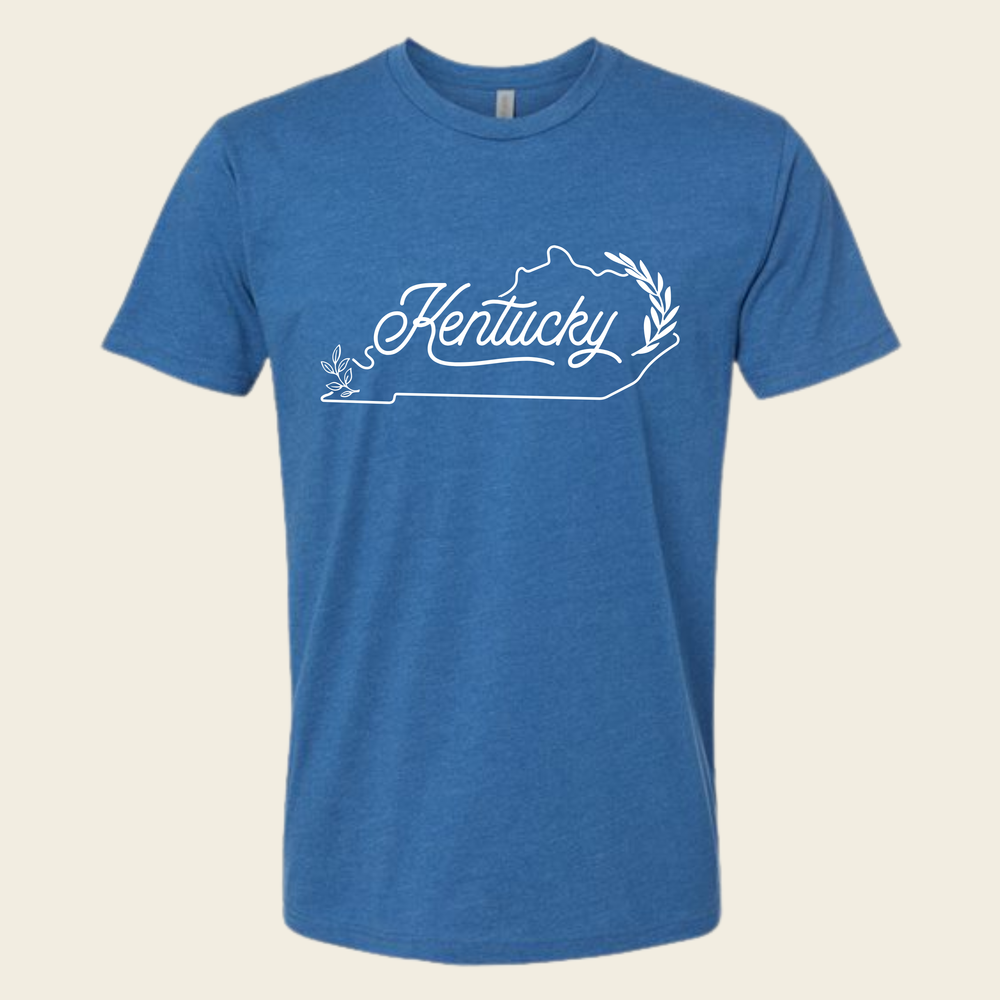
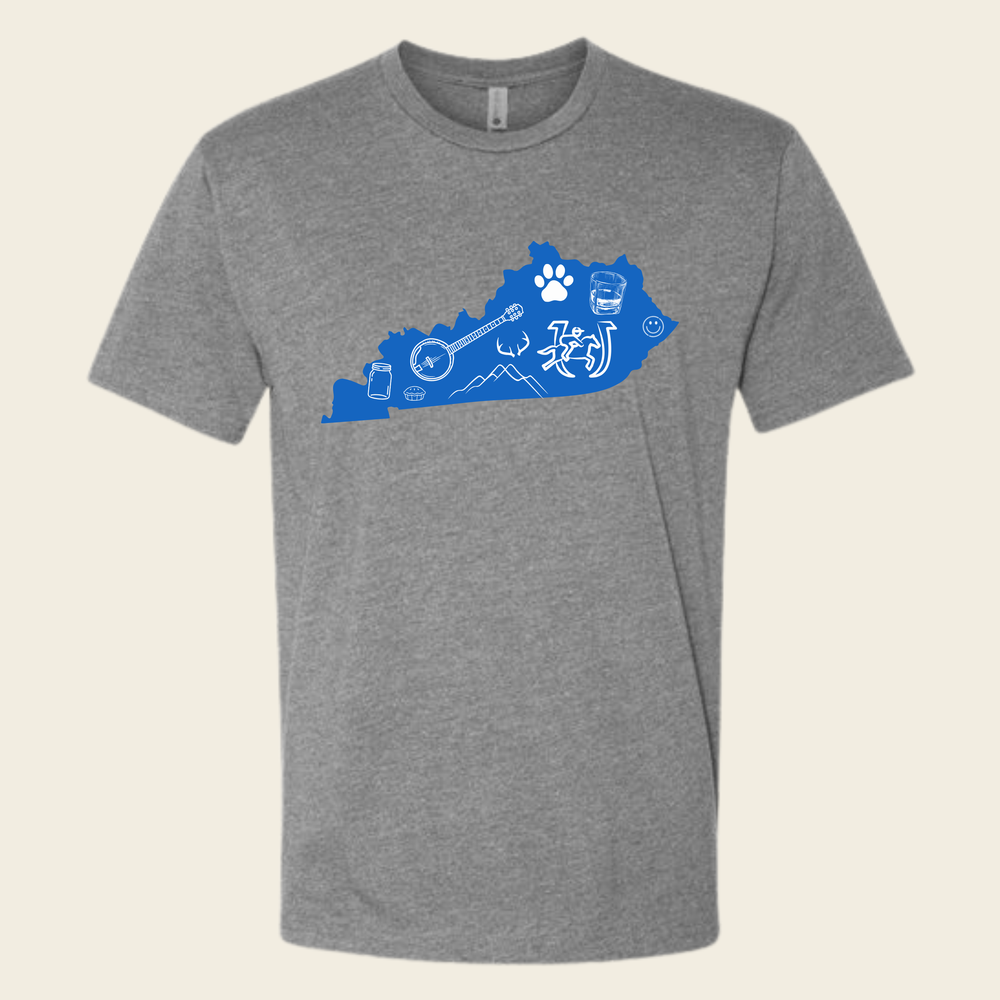
The full picture is that Kentucky's water isn't one famous thing. It's a system: rock, spring, creek, river, lake, and eventually a glass of something aged in oak. That range is a lot of what we're getting at with our Kentucky collection. The Kentucky Icons Tee leans into the stuff the state is known for, and the Script Kentucky Tee is the plainer statement, for people who'd rather let the name do the talking. Either one travels fine in a houseboat duffel.
Common questions
Why is Kentucky water good for bourbon?
The limestone under much of the state filters out iron, which would spoil the flavor of whiskey, and adds calcium, which helps yeast during fermentation. That's why so many historic distilleries were built near limestone springs.
Can you really catch trout in Kentucky?
Yes. The Cumberland River below Wolf Creek Dam runs cold year-round because water is released from deep in Lake Cumberland, and it supports a genuine trout fishery, including large brown trout. Always check the dam's generation schedule before wading.
What's the best lake in Kentucky for a first visit?
Lake Cumberland if you want houseboats, coves and dramatic wooded shoreline. Kentucky Lake and Lake Barkley if you want fishing, camping and the trails of Land Between the Lakes. You can't really pick wrong; they're just different trips.
Kentucky

Made by Land & Light — American lifestyle apparel with a sense of place and a sense of humor.
See every shirt