
What makes a garment-dyed tee worth keeping? A plain-talk guide to Comfort Colors
The shirt you reach for first
Everybody has one. The tee that somehow got softer every year, faded to exactly the right shade, and outlived three phones and two trucks. That shirt isn't an accident. It's usually a heavyweight, garment-dyed tee — and it's the reason we build so many of our designs on Comfort Colors blanks.
If you've ever wondered why some shirts feel broken-in on day one while others go stiff and pill after a couple washes, the answer comes down to the fabric, the dye process, and how the graphic gets on there. Here's the honest breakdown.
Garment-dyed, and why it matters
Most cheap tees are cut and sewn from pre-dyed fabric. Garment-dyed shirts flip that order: the shirt gets sewn first, then dropped into the dye. The color soaks into the finished garment instead of sitting on flat yardage. That's what gives Comfort Colors that lived-in, slightly uneven, sun-washed look right out of the bag — and it's why they age like a good pair of boots instead of falling apart.
A few things you'll notice:
- Heavyweight feel. There's real cotton here. It has weight and drape, not that see-through paper-thin thing.
- Broken-in softness. The dye and wash process relaxes the fabric before it ever reaches you.
- It fades beautifully. Instead of looking worn out, garment-dyed tees mellow into a color you actually like more over time.
- Character, not uniformity. Slight color variation is part of the deal. No two are stamped identical.
The ink actually lives in the fabric
We print direct-to-garment, which means the ink sits in the fabric rather than on top of it. No thick plastic patch that cracks and peels. The graphic moves with the shirt, stays soft to the touch, and fades in step with the rest of the tee. On a garment-dyed base, that's the whole point — the design ages right alongside everything else instead of looking pasted on.
Made close to home
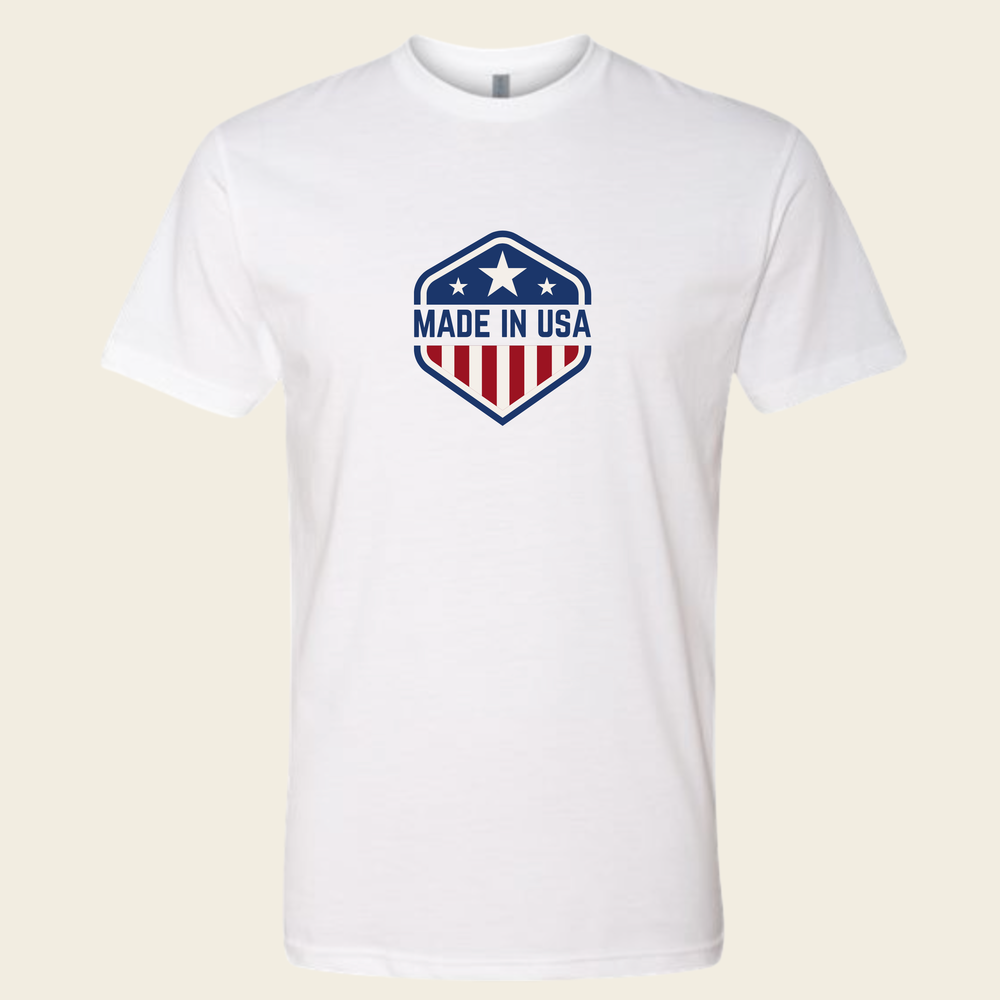
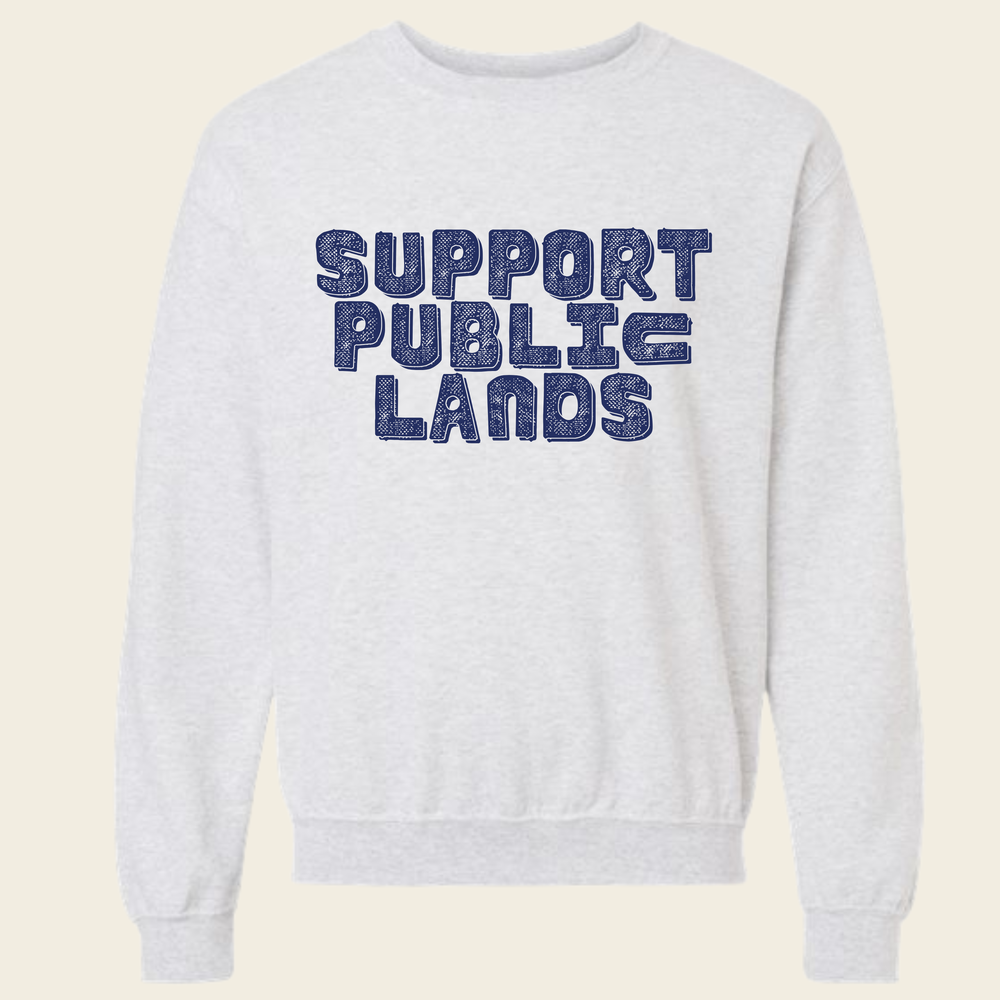
We print and ship out of Flatwoods, and we lean toward American-made blanks where we can. That matters to us for the same reason our Support Public Lands and Made in USA designs exist: we'd rather keep good work close and put out gear we'd wear ourselves. A shirt you'll own for a decade is worth doing right the first time.
How to keep it looking good
Garment-dyed tees are forgiving, but a little care goes a long way:
- Wash cold, inside out, and skip the fabric softener — the cotton softens plenty on its own.
- Tumble low or hang dry. High heat is the enemy of any print.
- Expect a hair of shrinkage on the first wash. If you're between sizes and want a roomier fit, size up.
- That first-wash fade? Feature, not a bug.
Finding your first (or fifth)
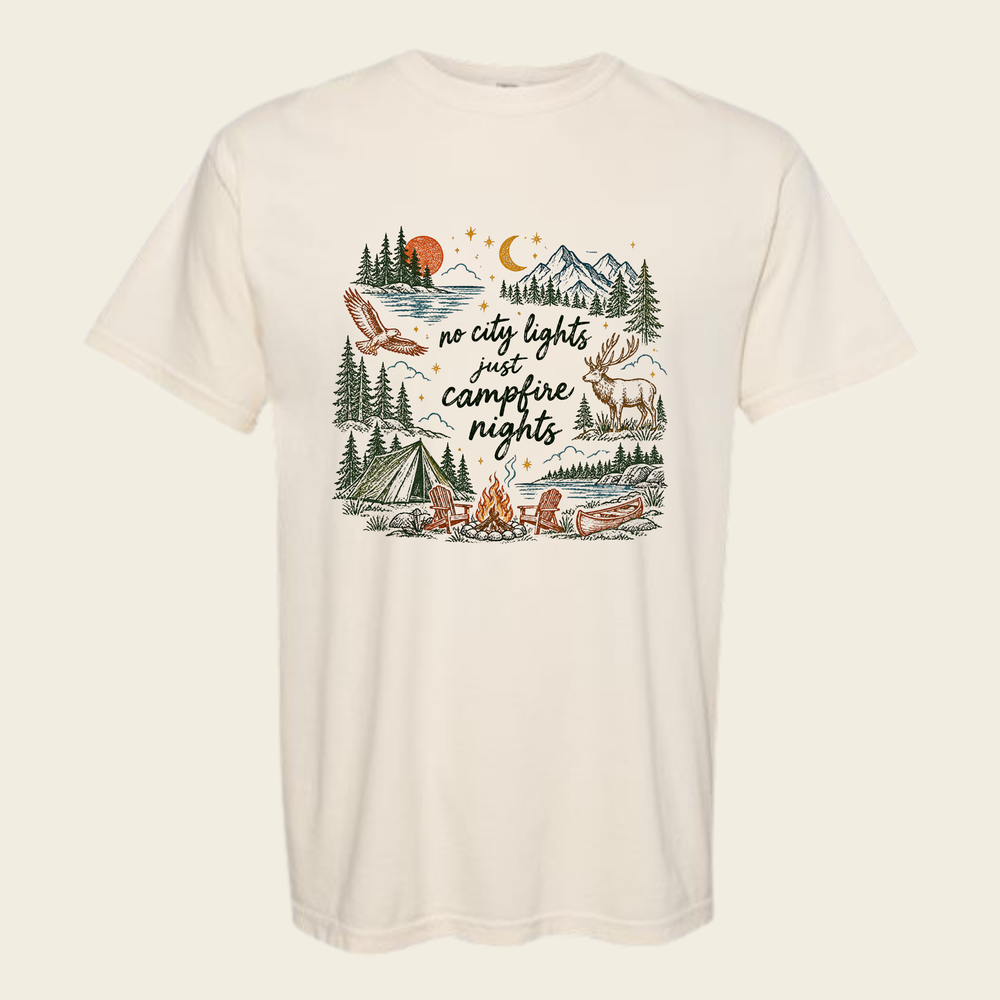
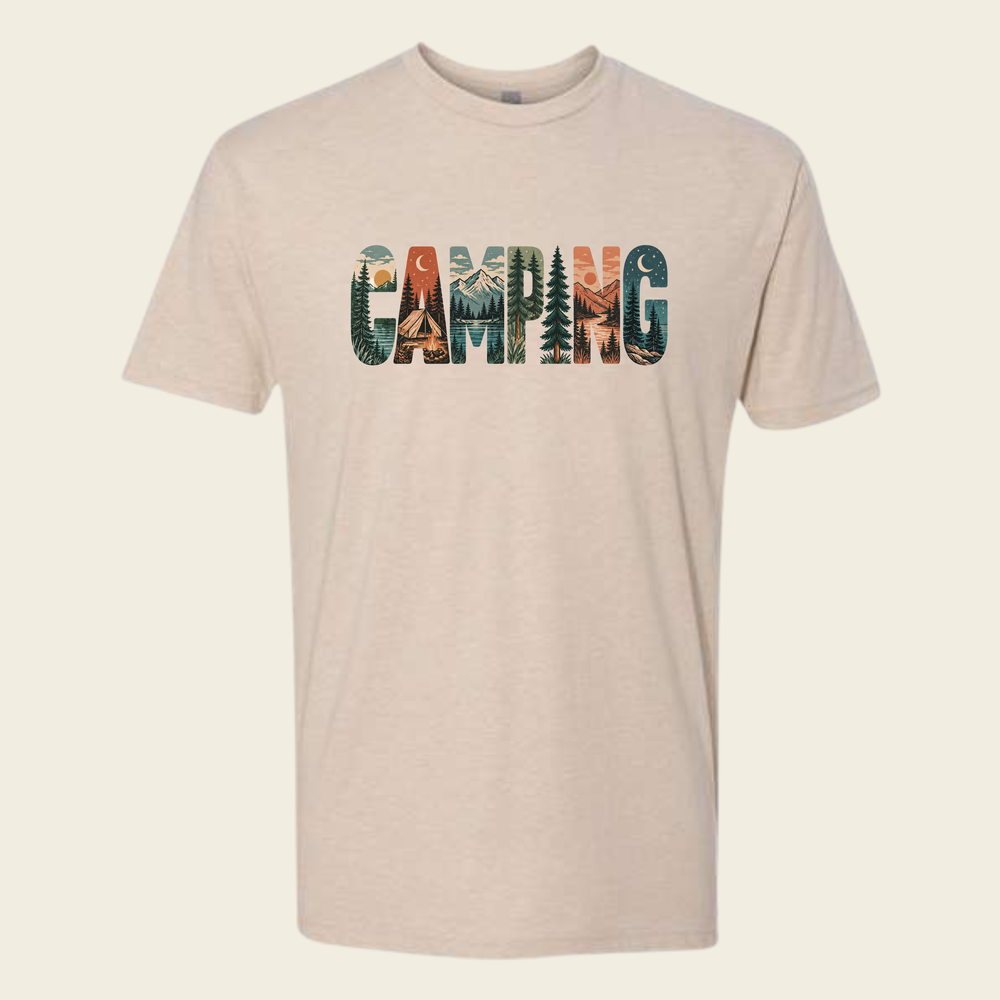
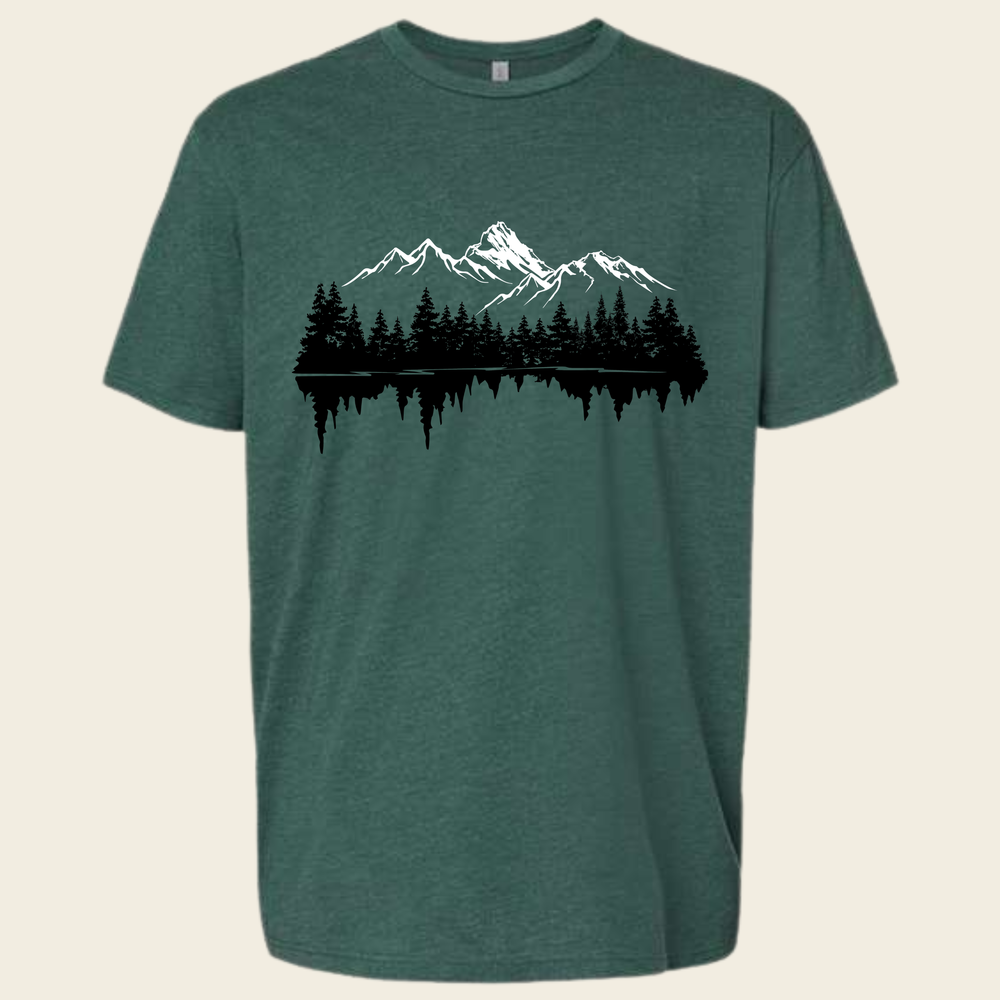
The nice thing about a good blank is that the design can be anything. Pull on the No City Lights tee for the nights you'd rather see stars than streetlights, the Lone Star Longhorn or a state-pride piece if home runs deep, or a camping scene for the folks who plan trips they don't always take. Same honest cotton underneath, whatever's printed on it.
Buy fewer shirts, buy better ones, and let them earn their fade. That's about the most Land & Light thing we can tell you. Take a look at the full collection and grab the one you'll be reaching for first.
Outdoors
Made by Land & Light — American lifestyle apparel with a sense of place and a sense of humor.
See every shirt