
What Tees Actually Means to Us
A t-shirt is the most honest piece of clothing in America. Here's what we think about when we put a design on one.
To us, a tee is the most honest piece of clothing in America: it says where you've been, what you find funny, and what you're loyal to, all without you saying a word. That's the whole idea behind our collection of graphic tees, and this post explains what we mean by that.
Nobody buys a t-shirt to impress anyone. That's the point. It's the garment you wear when you're being yourself, which makes what's printed on it matter more than people give it credit for.
A t-shirt is a record, not a garment
Open the t-shirt drawer of anyone over thirty and you'll find a biography. The shirt from the trailhead store outside Estes Park. The one from a crawfish boil in Breaux Bridge that still has a faint stain nobody will identify. The softball league shirt from a team that folded. A high school fundraiser shirt kept out of pure stubbornness.
Nobody keeps a dress shirt for sentimental reasons. Nobody looks at a pair of khakis and remembers a specific August. Tees carry memory in a way other clothes don't, because you buy them at the moment something is happening. The gift shop at the bottom of the canyon. The gas station in the town with one blinking light. The merch table after the show.
When we design a shirt, that's the bar. Would someone keep this for ten years, past the point of reason? If the answer is no, it doesn't get made.
Place is the whole thing
Most graphic tees are about nothing. A vague mountain. The word ADVENTURE in a font. A compass pointing nowhere in particular. You've seen them. They're wallpaper.
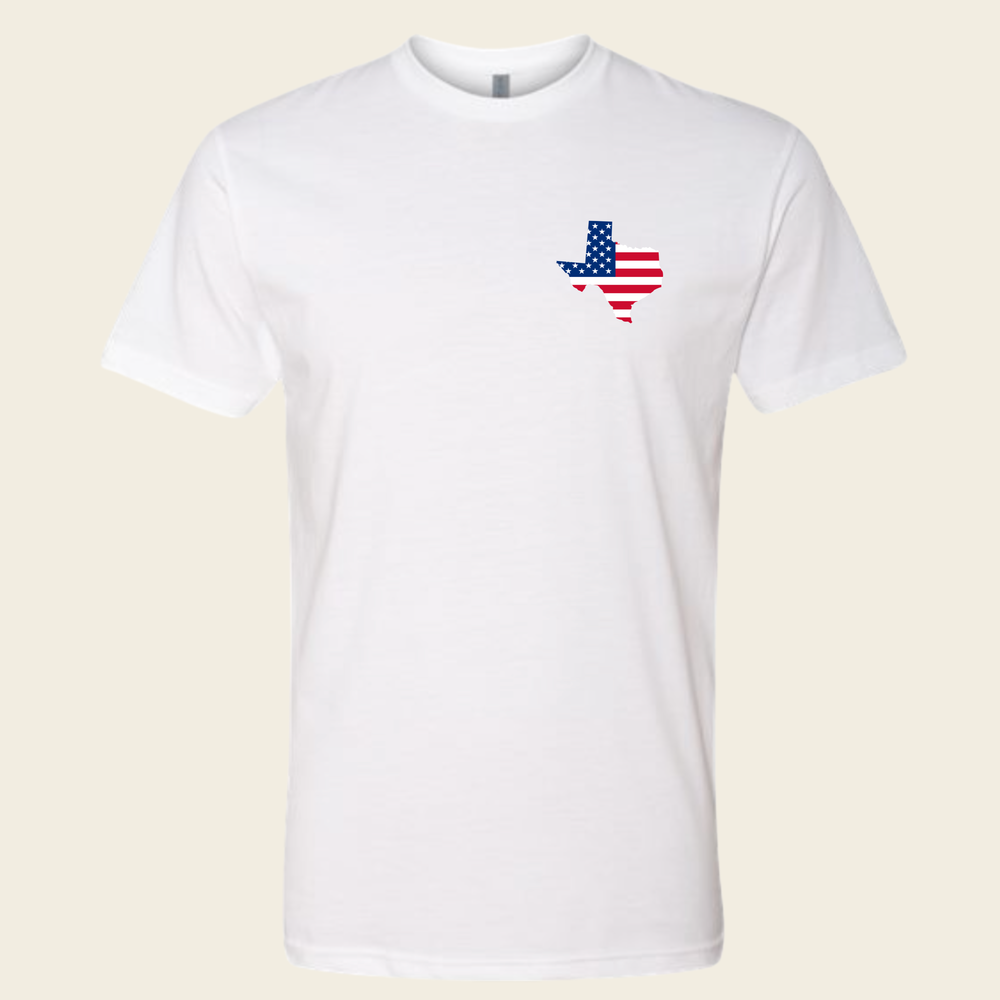
We'd rather be about somewhere. Texas is a good example, because Texans have never once been vague about being from Texas. You can drive from the piney woods around Nacogdoches to the emptiness west of Fort Stockton and pass through what feels like four different states, and every one of them will tell you it's the real Texas. That kind of specific, argumentative pride is exactly what belongs on a shirt, which is why the Texas State Pride Tee exists. It's not for people who think Texas is a shape. It's for people who have opinions about brisket and will share them unprompted.
A shirt about a real place does something a generic one can't. It starts conversations. Wear a shirt about the Ozarks or the Outer Banks or West Texas and eventually a stranger will say I've been there, and now you're twenty minutes into a conversation at a hardware store. Wallpaper doesn't do that.
The dark-sky test
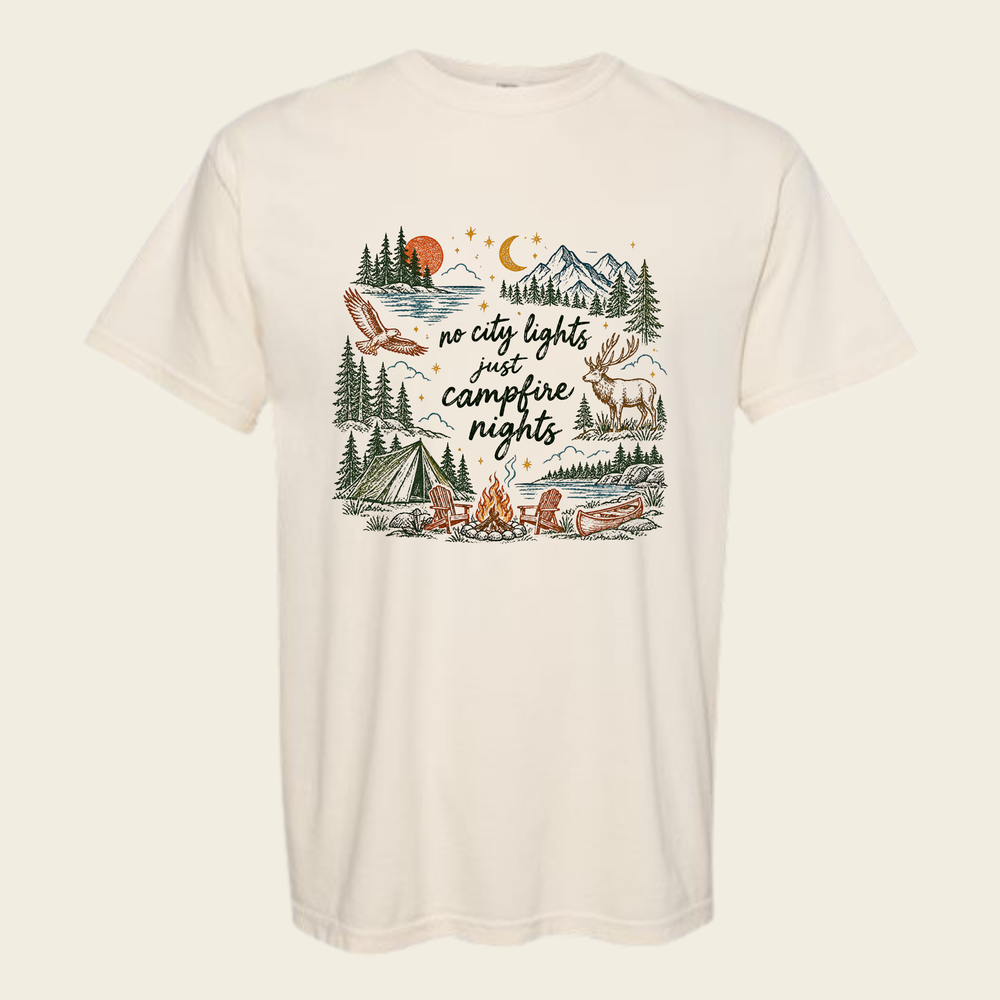
A lot of what we care about comes down to one experience: standing outside at night, far enough from town that the sky actually works. If you've only ever seen the sky from a suburb, the first time you see the Milky Way from somewhere like Big Bend country or the middle of Nevada is genuinely disorienting. It looks fake. It is not fake. It's just what the sky does when nobody's pointing a parking lot at it.
The No City Lights Tee came out of that. It's not anti-city. Cities are fine. It's pro-that-feeling, the one where you turn off the headlights on a dirt road, wait for your eyes to adjust, and stop talking. Some things only exist past the last streetlight, and a shirt is a small way of saying you know that.
The jokes matter as much as the scenery
American regional humor is one of the country's great unlisted resources. The hand-painted sign outside the bait shop. The diner menu that editorializes. The church marquee that's funnier than it intends to be. The bumper sticker on a truck in a Casper parking lot that made you laugh out loud alone.
Half of our ideas come from that stuff, and we don't apologize for it. A shirt that makes one specific person laugh in a grocery store line is worth more than a shirt ten thousand people scroll past. Dry beats loud. Specific beats broad. If a joke needs explaining, it needs cutting.
The rules we design by, roughly:
- If it could be about anywhere, it's about nowhere. Start over.
- The joke should land in the time it takes to pass someone in a hallway.
- Earnest is allowed. Sappy is not. There's a line and you know it when you cross it.
- Never punch down at a place. Tease it the way locals tease it.
- No trends. A shirt should be as good in five years as it is today.
Camp shirts, and why they're their own category
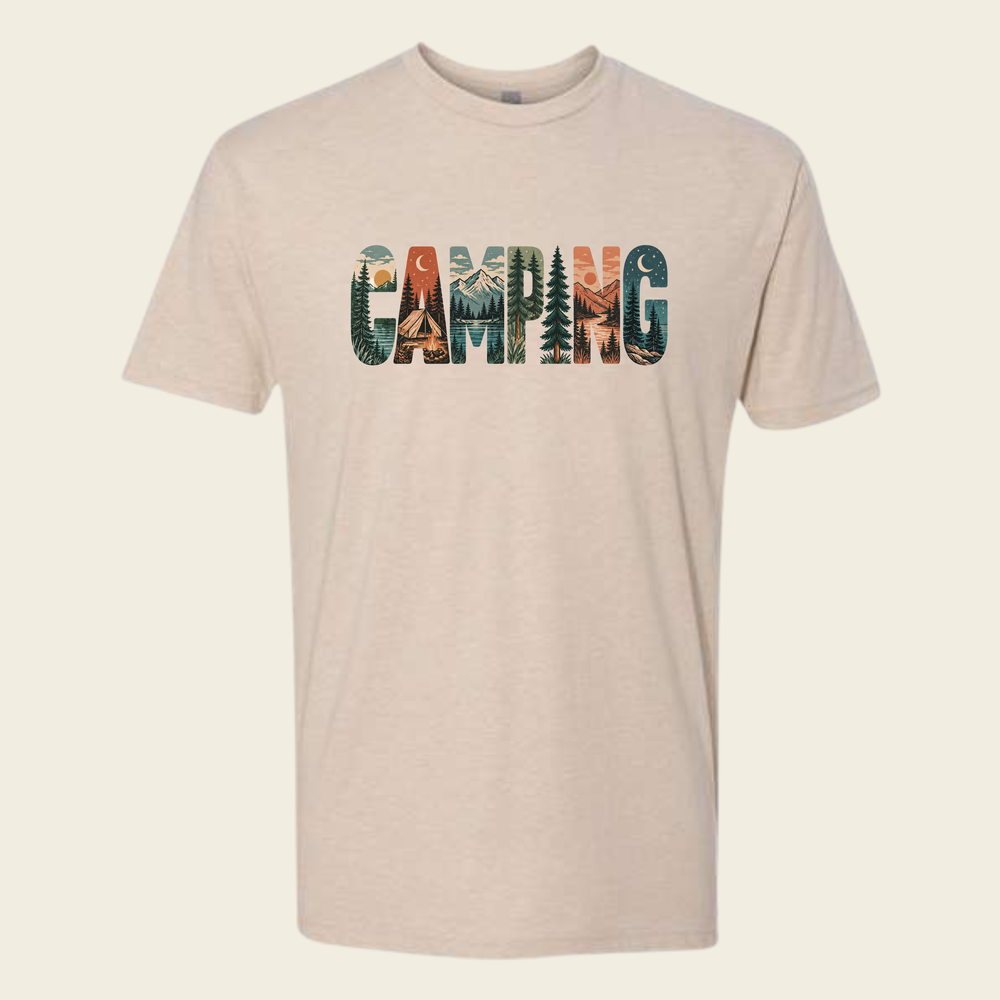
There is a specific genre of tee that only exists around campfires: worn to set up the tent, slept in, worn again the next morning while the coffee sputters on a camp stove, smelling like woodsmoke for the entire drive home. It's less a shirt than a piece of gear at that point.
The Camping Scenes Tee is our contribution to that genre. Camping in this country is its own culture with its own scenes — the string of lakes in the Boundary Waters, the campground loop where every site has the same picnic table, the desert pullout where the site is wherever you stop the truck. The rituals are the same everywhere: someone insists on their fire-building method, someone forgot the can opener, everyone stays up too late because the fire keeps making one more argument for it. That's worth putting on a shirt.
The words on the shirt should be true
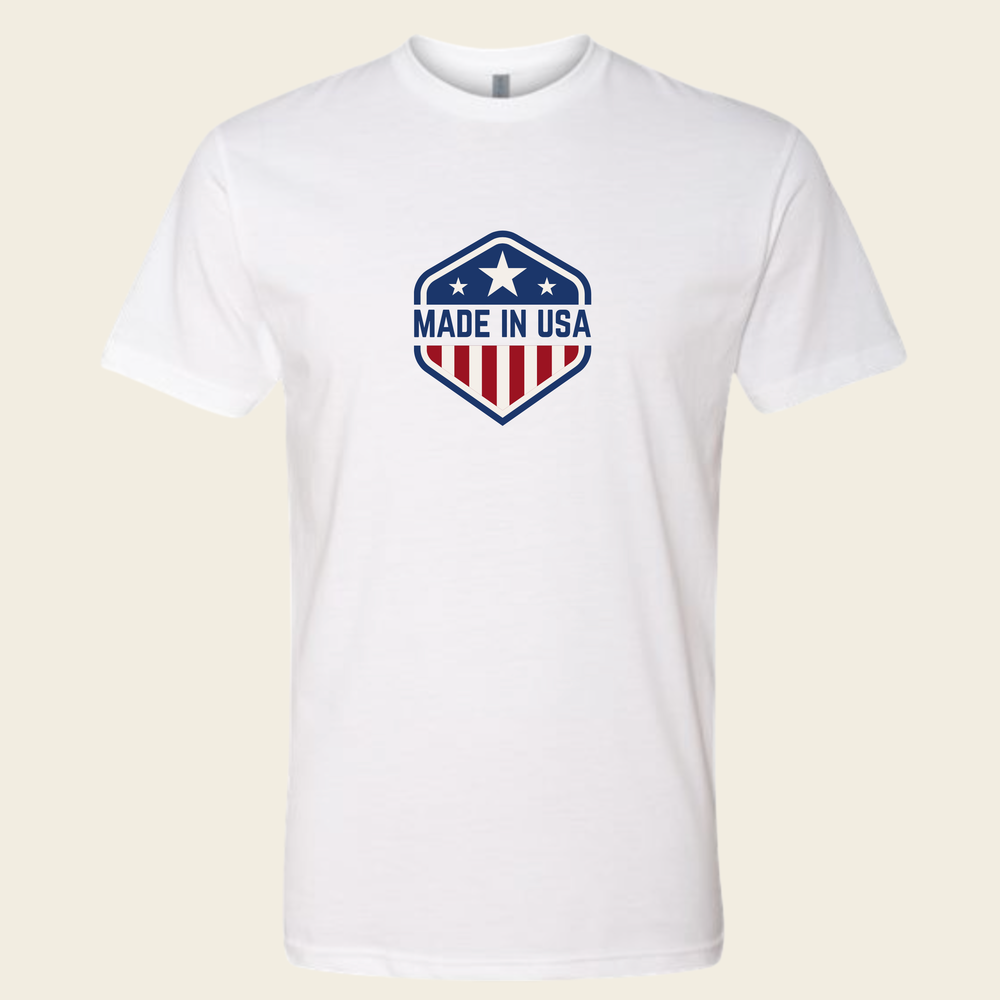
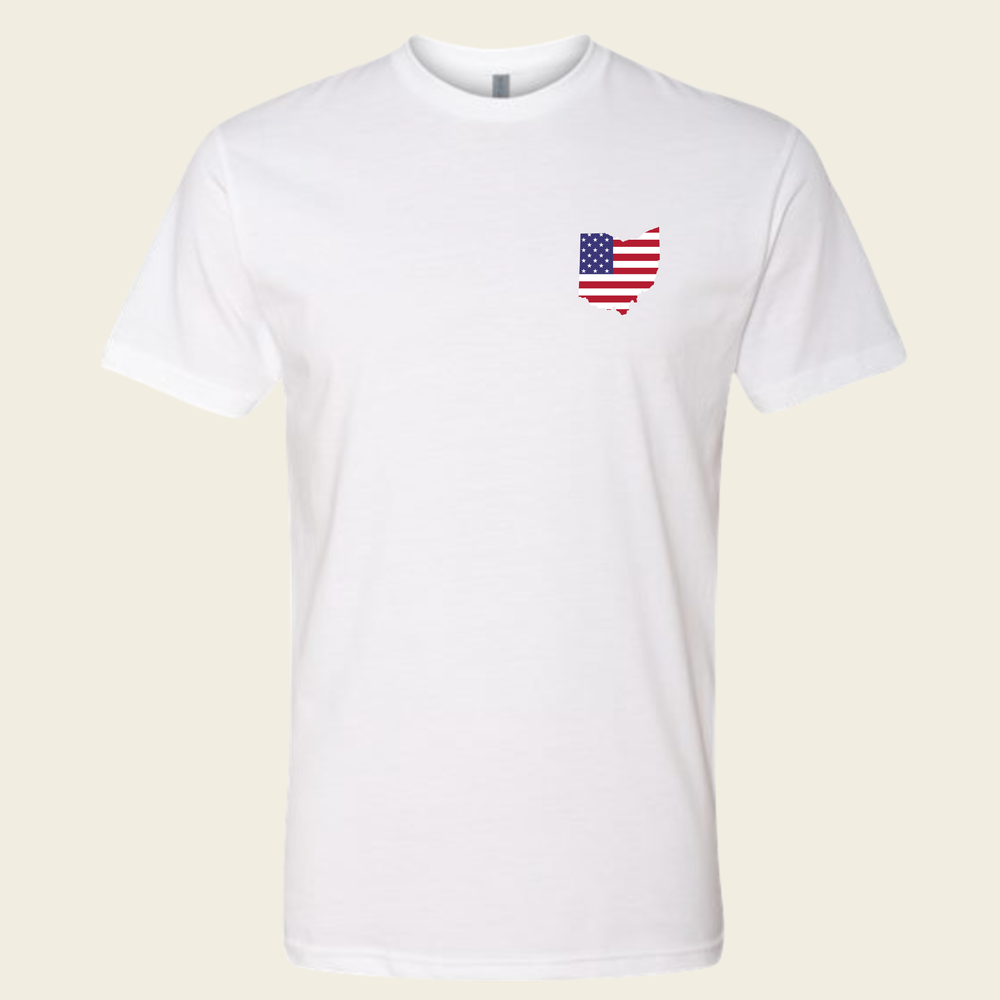
Here's a small thing we think about. If a shirt says something about America, or a state, or a way of living, the person wearing it is vouching for it. That's why we're careful about what we print. A shirt like the Made in USA Tee is a statement people wear on purpose, and it deserves a design made with the same seriousness the wearer brings to it — not a lazy flag slapped on as an afterthought.
Same goes for humor. Same goes for place names. If we put a town on a shirt, somebody from that town is going to see it, and they'll know in half a second whether we've actually been there. We'd rather pass on a design than get a place wrong.
The drawer test
Everything above rolls up into one question: does this shirt earn a permanent spot in the drawer? Not the donate pile, not the rag bin. The drawer. The shirts that survive there survive because they mean something — a place, a trip, a joke, a stance.
That's what tees actually means to us. Not a product category. A small, cheap, durable way of saying this is where I've been and this is what I think is funny. Everything in our tee collection is trying to earn that spot. Some will, some won't, and the drawer decides.
Common questions
What kind of designs does Land & Light make?
Designs rooted in real American places, outdoor life, and regional humor. State pride, dark skies, camping, and the kind of jokes you overhear at a diner counter. Nothing generic, nothing trendy.
Are these shirts only for people who live in the places on them?
No. Plenty of people wear a place because they visited it, miss it, or plan to get there. A shirt about somewhere you love from a distance still counts. The only requirement is that it means something to you.
Why so much emphasis on specific places instead of general outdoor themes?
Because specific is memorable and general is wallpaper. A shirt about a real road or a real sky starts conversations and holds memories. A vague mountain graphic does neither.
Tees
Made by Land & Light — American lifestyle apparel with a sense of place and a sense of humor.
See every shirt