
The Prairie That Waters Dallas–Fort Worth Is Coming Back
Restoration on the LBJ National Grasslands could return 14 million gallons of water to the North Texas ecosystem that feeds the Trinity River.
Here's a good one out of North Texas: for the past two years, the National Forest Foundation and the U.S. Forest Service have been working to restore the Lyndon B. Johnson National Grasslands, and as KERA reported in late October, the payoff is real — removing 340 acres of water-hungry red cedar could add nearly 14 million gallons of water back into the ecosystem. That's a quiet, patient kind of win, and it flows straight downhill to millions of Texans.
What's happening on the grasslands
Drive about an hour and a half north of Fort Worth on State Highway 287 and you'll hit the LBJ National Grassland — a stretch of native savanna most folks blow past on the way to somewhere else. Crews have been working it the old-fashioned way: going in with hand saws to thin out overgrown cedars and vegetation, returning the land to its natural state. Eastern red cedars need significantly more water per acre than the Grassland's native oak savanna, putting a serious strain on groundwater, so every acre cleared is water given back. The crews are also building natural barriers along stream beds to slow water flow, increase groundwater storage, and reduce future erosion.
Why a prairie matters to your faucet
This isn't just scenery. Creeks and streams running through the savanna feed directly into the Trinity River Basin, which supplies water to nearly six million North Texans. Much of the work sits in the Cotton Creek watershed, which feeds into Grapevine Lake and then the Trinity basin. Zoom out and the stakes get even bigger: one-third of American drinking water originates in national forests or national grasslands. As one project leader put it to KERA, when these watersheds are returned to their natural state, "they become these incredible sponges" — soaking up rain, filtering it, and sending it on down to the reservoirs.
A long story, finally bending the right way
This land has been through it. The Forest Service adopted the LBJ National Grasslands in the 1950s; before that, the area fell victim to poor agriculture practices, over-farming and over-settlement. Healing that takes decades, but the ledger is filling up: according to the World Resources Institute, the project has already removed 200 acres of invasive red cedar and restored a headcut site, with more acreage slated for removal. And the land being restored is something Texas does better than anyone — the state is home to over 570 grass species and varieties, more than any other U.S. state. A single acre of healthy tallgrass prairie can hold and clean up to 250,000 gallons of rainfall. The prairie was always the plan. We just forgot for a hundred years.
Go see it for yourself
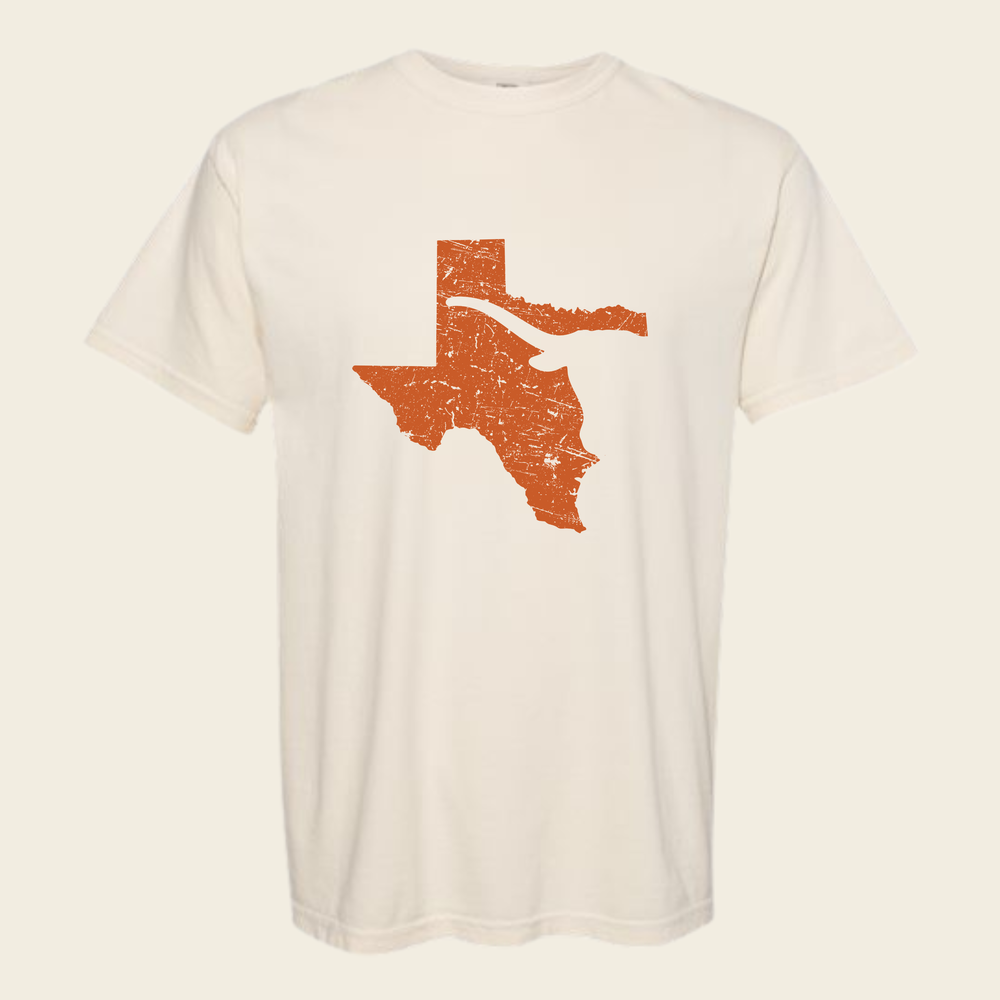
The best part: this is public land, and it's close. The LBJ National Grassland is an easy place to slip away from the city to hike, bike, fish, and enjoy nature. Pack water, go in the morning, and take the long way home through the small towns off 287. If a day on the North Texas prairie sounds like your kind of therapy, our Texas collection was made for exactly that — and the Lone Star Longhorn Tee wouldn't look out of place leaning on a gate out in Wise County.
Common questions
Where is the LBJ National Grassland?
It's about an hour and a half north of Fort Worth, off State Highway 287 — close enough for a day trip from anywhere in the Metroplex.
How does cutting cedar create water?
Eastern red cedars use significantly more water per acre than the native oak savanna, so removing 340 acres of them can return nearly 14 million gallons to the ecosystem for native plants, wildlife, and the watershed downstream.
Who actually drinks this water?
Pretty much everybody up that way — the Trinity River Basin, fed by the grassland's creeks and streams, supplies water to nearly six million North Texans.
Reported by KERA. Details as published at the time of writing.
Texas
Made by Land & Light — American lifestyle apparel with a sense of place and a sense of humor.
See every shirt