
Lake Yale Is Finally Turning a Corner, and Central Florida Noticed
Lake County's most impaired lake just posted its first measurable win: phosphorus levels dropped sharply after the first round of a major restoration.
Here's a piece of good news out of Central Florida this week: Lake Yale, a lake with a long reputation for trouble, is showing real, measurable signs of recovery. More than seven months after restoration work began, Lake County says the chemical treatment is producing measurable results — and that's worth a minute of your day.
What happened
News 6 (ClickOrlando) reported in mid-October that phosphorus levels in Lake Yale plunged after the first treatment of a nearly $10 million restoration effort. The project began back in March and uses aluminum sulfate — commonly called alum — to reduce excess phosphorus in the water. Phosphorus is the stuff that feeds the algae that turns a lake green and tired, so knocking it down is step one of nearly every lake comeback story in Florida.
The context makes it sweeter. The Lake County Water Authority had described Lake Yale as its most impaired public waterbody. This wasn't a lake on the bubble; it was the one at the bottom of the list. And now it's the one posting numbers moving the right way. Nearly $2.4 million has been spent so far, with three treatments remaining, so there's more work coming — but the first returns are in, and they're good.
Why it matters
Because the people running this aren't just declaring victory and going home. The Water Authority has approved up to $125,000 for a two-year scientific monitoring and research partnership involving the University of Florida's UF/IFAS LAKEWATCH program and the Florida Fish and Wildlife Conservation Commission. That research will examine the ecological and water-quality effects of the treatment, including changes involving algae and aquatic organisms, and state wildlife officials are also monitoring fish and aquatic vegetation.
That's the honest version of lake restoration: water chemistry can respond relatively quickly to treatment, while changes throughout an ecosystem can take much longer. Nobody is promising bass tournaments by spring. What they're promising is to keep measuring, keep treating, and keep showing their work. In a state where the lakes are the front porch of half our small towns, that counts.
Florida lakes have come back before
If you want proof that patience pays off on Florida water, look one county over. The Florida Specifier's September–October issue highlighted that more than 40 years of restoration work by the St. Johns River Water Management District has cut phosphorus concentrations in Lake Apopka by 66 percent and restored native submerged vegetation along 95 percent of its shoreline — a lake once written off as a lost cause. Over on the coast, 2025 aerial mapping showed a 72% increase in seagrass coverage in the Indian River Lagoon since 2023. Florida water heals when people stay on it. Lake Yale is just the newest name on that list.
Go stand next to a lake
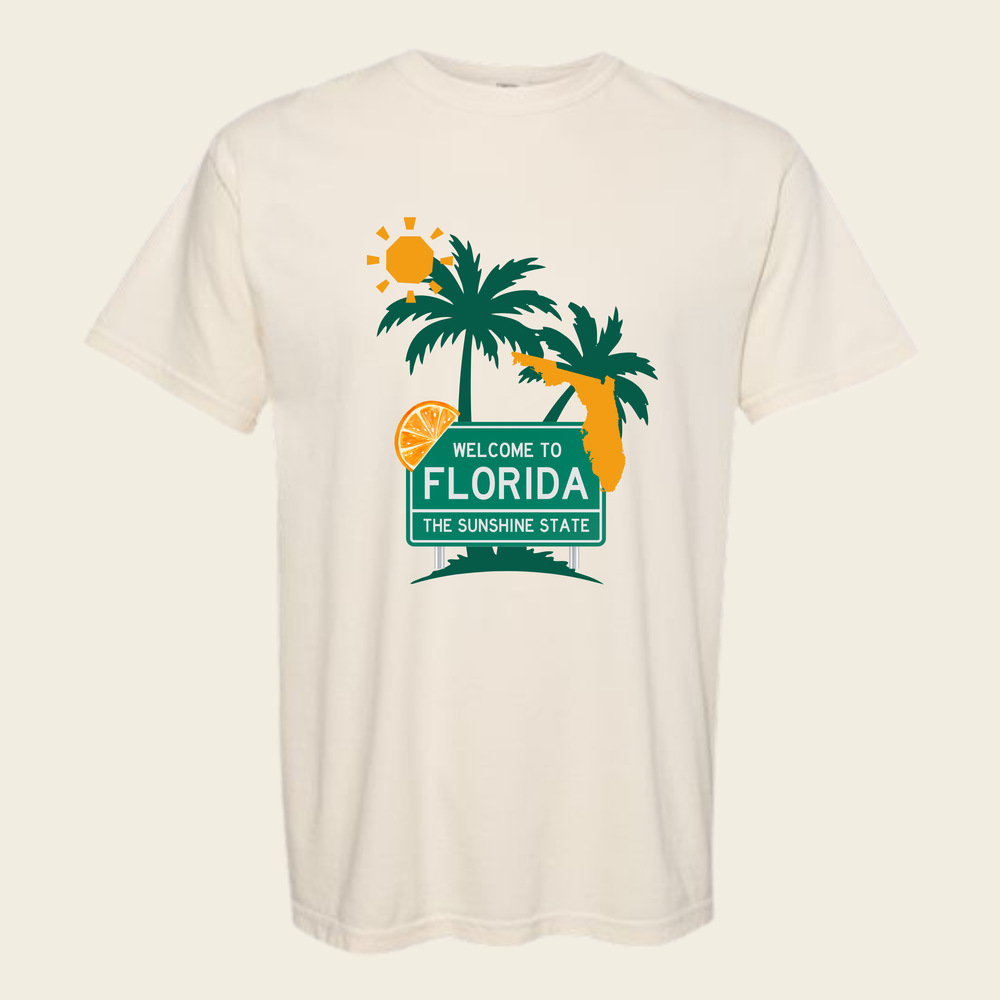
You don't have to be a scientist to take part in this. Drive out to Lake County some Saturday, put a kayak or a lawn chair near the water, and watch a place in the middle of its comeback. Bring a cooler, bring the kids, bring a camera for the herons. If you want to look the part, we'd humbly suggest the Welcome to Florida Tee — made for exactly this kind of unhurried afternoon. And if lake country is your corner of the state, the rest of our Florida collection was drawn with you in mind.
Good news on Florida water tends to arrive slowly, in quarterly reports and monitoring data. But it arrives. This month, it arrived at Lake Yale.
Common questions
What exactly is being done to Lake Yale?
The restoration project, which began in March, uses aluminum sulfate — commonly called alum — to reduce excess phosphorus, the nutrient that fuels algae blooms. Nearly $2.4 million has been spent so far, and three more treatments remain.
Is the lake fully recovered?
No — and the people involved are upfront about that. Water chemistry can respond quickly to treatment, but ecosystem-wide changes take longer. Additional research is intended to help determine whether the treatment's benefits extend beyond lower phosphorus concentrations.
Has this kind of restoration worked elsewhere in Florida?
Yes. Nearby Lake Apopka is the standard-bearer: decades of restoration have cut its phosphorus by 66 percent and brought native underwater plants back to 95 percent of its shoreline.
Reported by ClickOrlando (News 6). Details as published at the time of writing.
Florida





Made by Land & Light — American lifestyle apparel with a sense of place and a sense of humor.
See every shirt