
Why a garment-dyed tee beats a regular T-shirt (and how to tell the difference)
The shirt that gets better the longer you own it
Most T-shirts peak the day you buy them. They're crisp, they're bright, and then the first wash flattens them into something you wear to paint the fence. Garment-dyed tees run the opposite direction. They start soft, they stay soft, and they earn character every time they go through the laundry. That's the whole idea behind the shirts we print at Land & Light, and once you've lived in one, the difference is hard to un-feel.
What "garment-dyed" actually means
Here's the short version. A standard tee is knit from yarn that's already been dyed, then cut and sewn. A garment-dyed tee is sewn first, from raw or undyed fabric, and dyed as a finished piece. That single change is why the color lands the way it does — deep, slightly uneven in the best way, and lived-in from the first wear.
We build ours on Comfort Colors blanks, which are heavyweight, ringspun cotton dyed the old-fashioned way. Translation for anyone who doesn't care about the process and just wants a good shirt: it's thick without being stiff, broken-in without being thin, and it hangs like something you've owned for three summers already.
How to spot a quality tee before you buy
- Weight. Pick it up. A real heavyweight tee has some hand to it — you can feel the cotton. Featherweight fast-fashion tees go see-through by August.
- The color. Garment-dyed shades have depth and a subtle tonal variation. Flat, plasticky uniform color usually means cheaper screen-dyed fabric.
- The seams. Double-needle stitching at the collar, sleeves, and hem is what keeps a shirt from curling and blowing out after a season.
- Where it's made. We source American-made where we can, because a shirt built to last ought to be built close to home.
Why the fade is a feature, not a flaw
People hear "fades" and flinch. Don't. A garment-dyed tee doesn't fade blotchy or gray — it softens toward a worn, sun-warmed version of its original color, the way good denim does. The graphic settles into the fabric instead of sitting on top of it like a sticker. A year in, your Don't Tread On Me or Freedom Flag tee looks like it's got a story, because it does. That's the payoff for buying quality once instead of replacements twice a year.
How to make it last even longer
- Wash cold and inside out. It protects the print and slows any fade you're not ready for.
- Skip the fabric softener. Garment-dyed cotton is already soft; softener just gums up the fibers.
- Hang dry or tumble low. High heat is the fastest way to shrink and stress good cotton.
- Wash it less than you think you need to. Air it out between wears. Your shirt — and everyone downstream in the laundry line — will thank you.
True unisex, on purpose
One more thing worth saying: these fit everybody. The cut is relaxed and honest, no separate "his and hers" runaround. Grab your usual size for a classic fit, or size up if you like room to move. It works on the trail, at the range, around the fire, or standing in line for coffee wondering why the line is this long.
Bottom line — a garment-dyed heavyweight tee costs a little more than the three-pack at the big-box store, and it outlives all three combined. Whether you're after something that says exactly where you stand or a cryptid gag that gets a laugh at the trailhead, buy the good one. It's the shirt you'll keep reaching for.
Featured
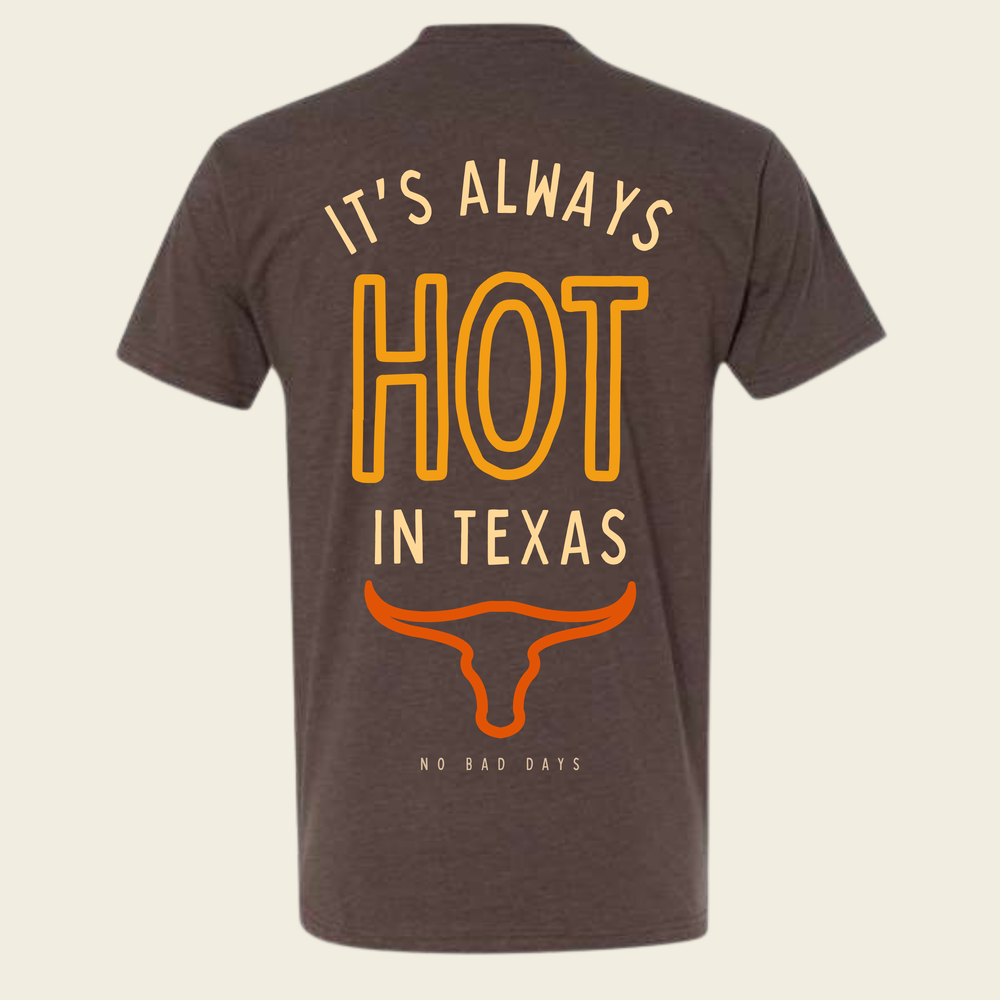
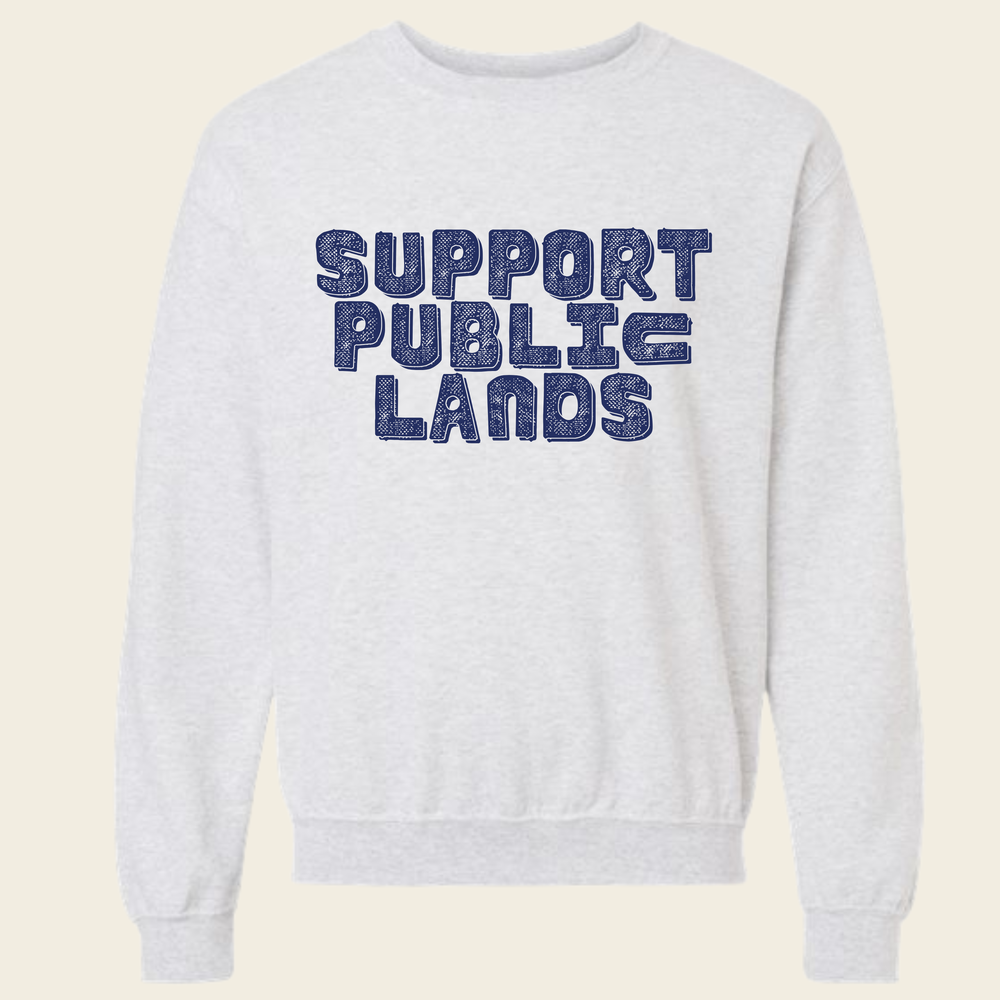
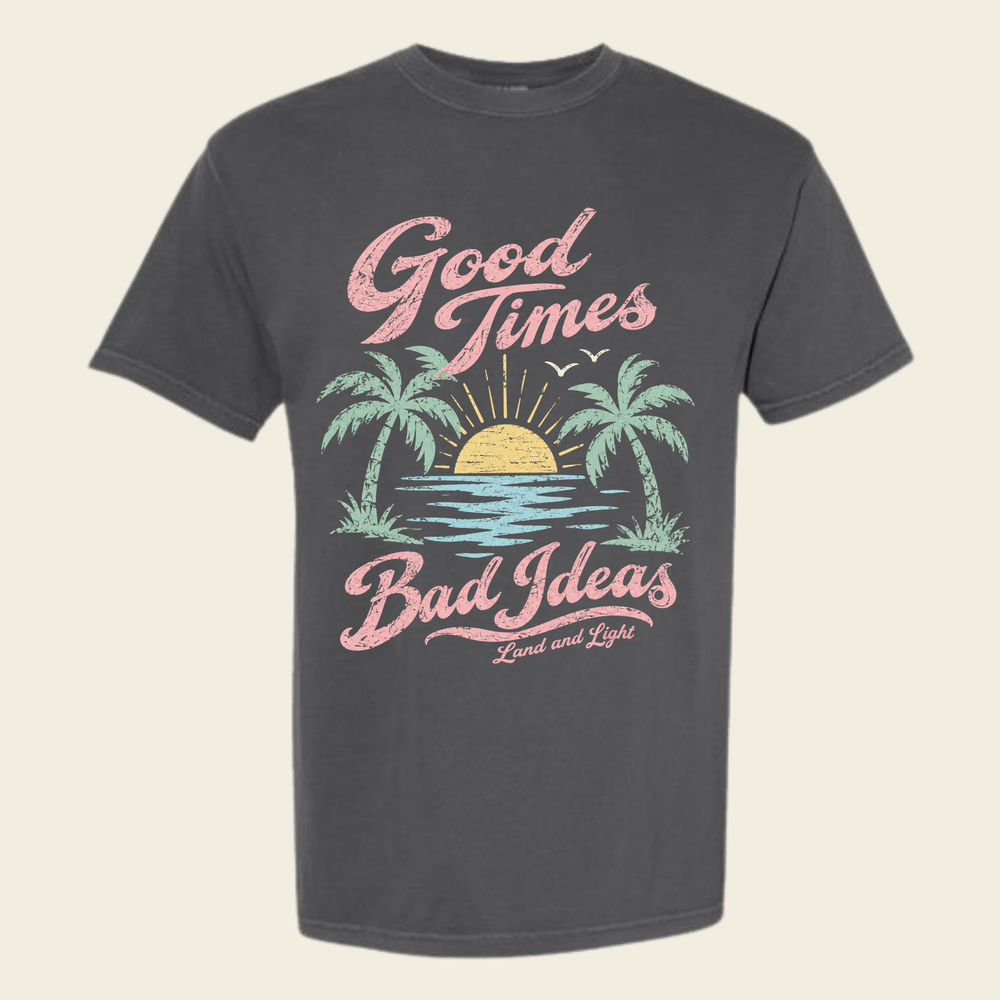

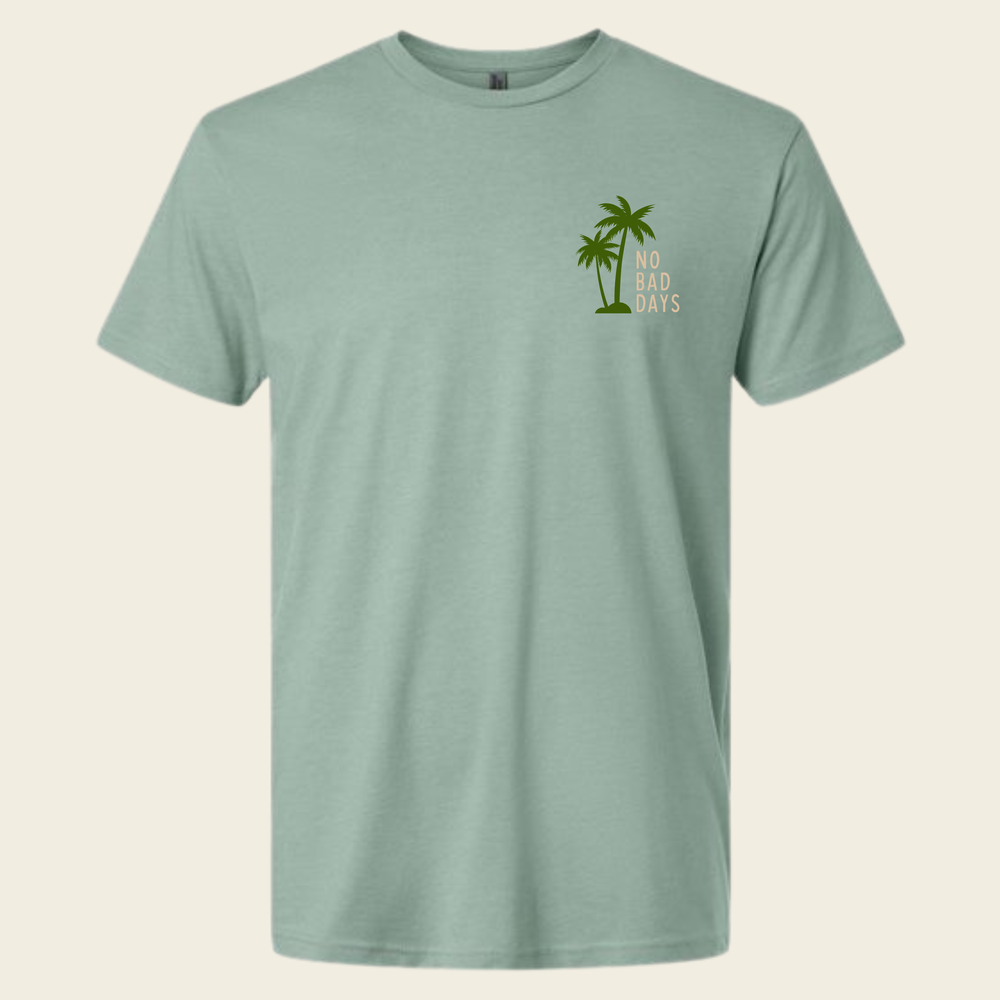
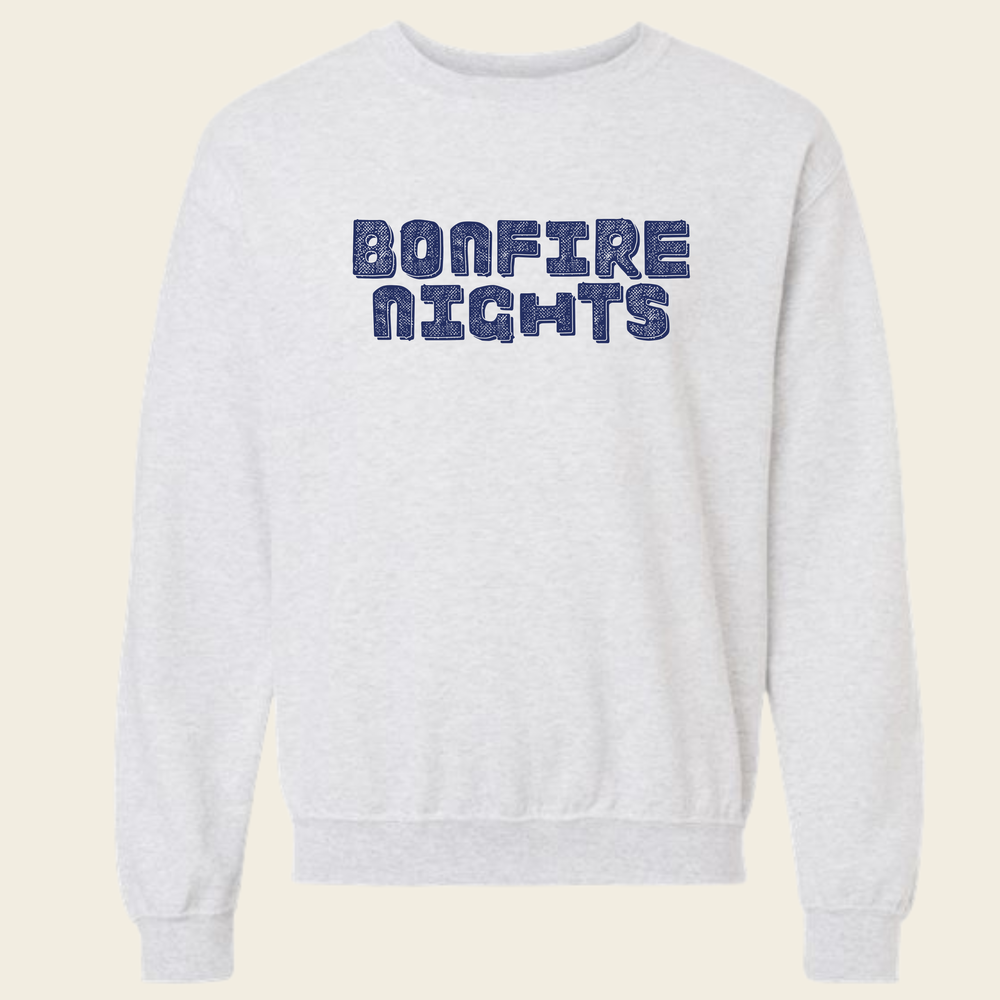
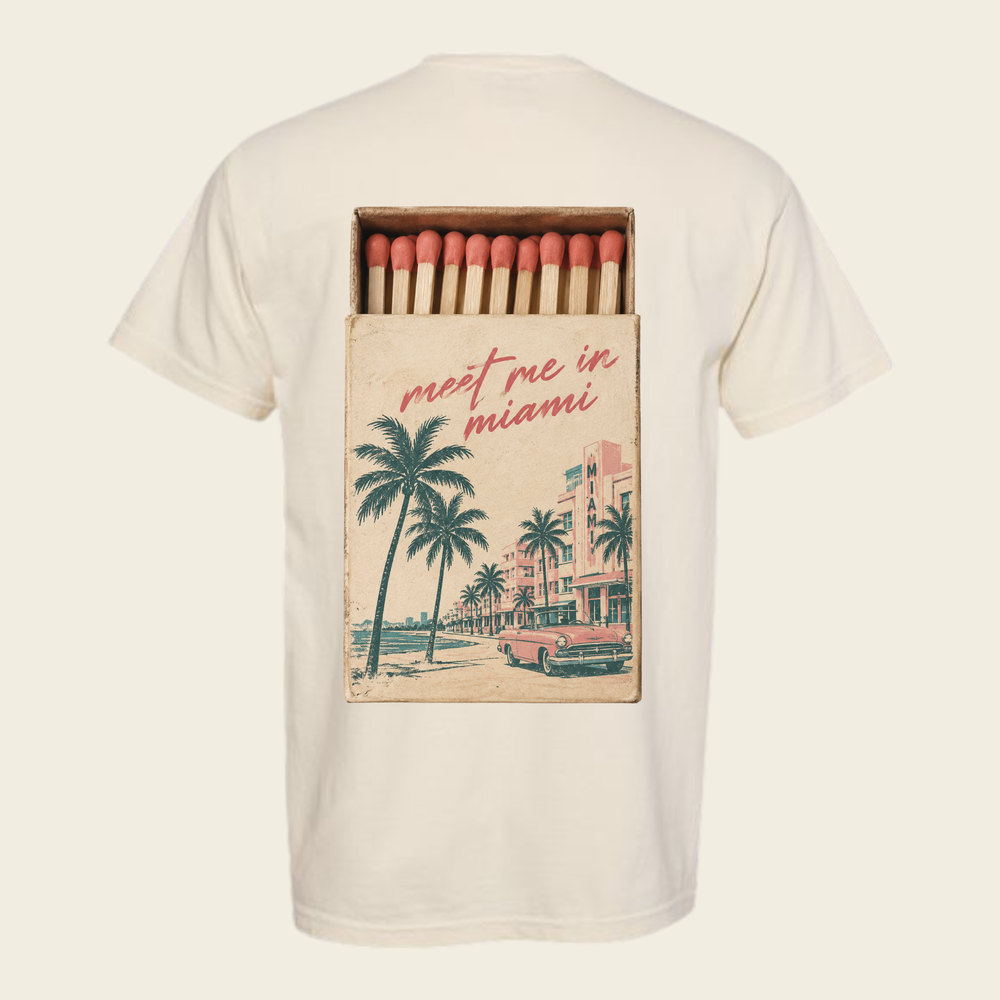
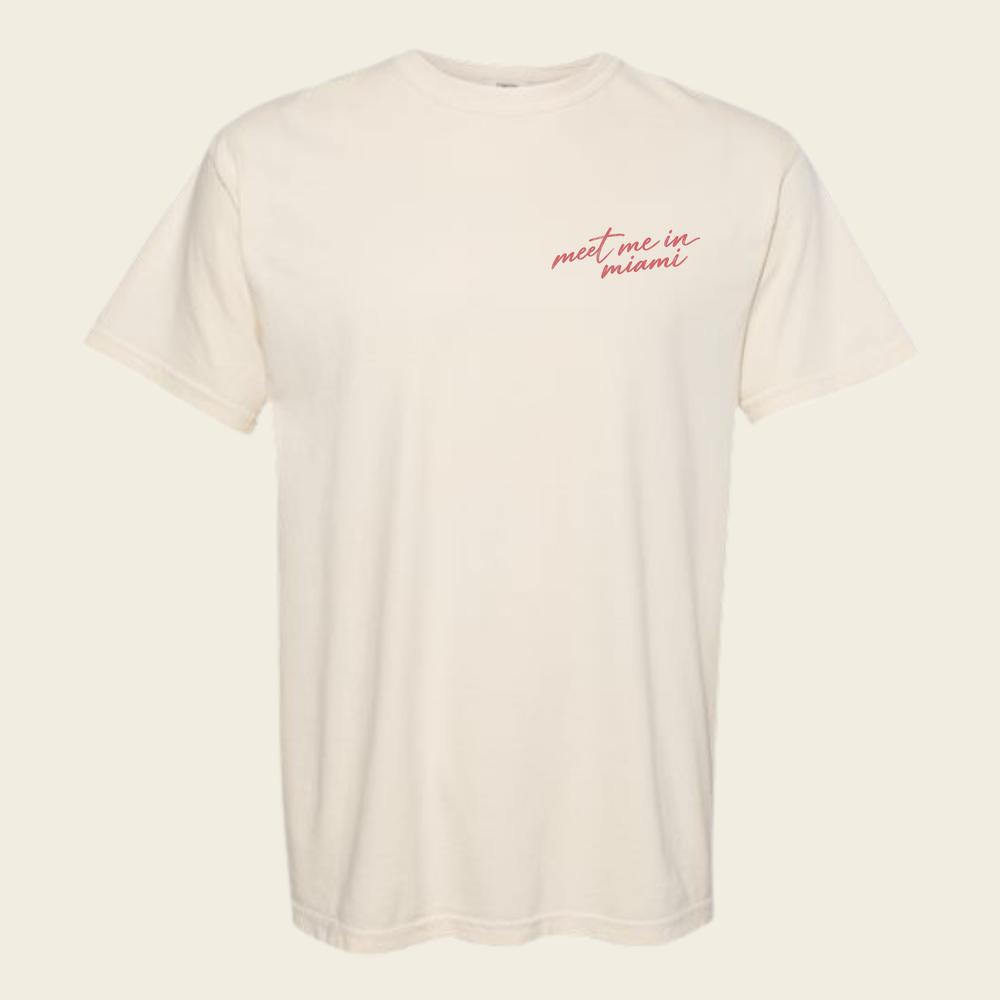
Made by Land & Light — American lifestyle apparel with a sense of place and a sense of humor.
See every shirt