
What makes a garment-dyed tee worth keeping: the Comfort Colors difference
The shirt you reach for first
Everybody has one. The tee that somehow got softer than all the others, broke in like an old catcher's mitt, and earned a permanent spot at the top of the drawer. There's usually a reason, and more often than not it comes down to how the thing was made. At Land & Light, a good chunk of our lineup lives on Comfort Colors garment-dyed blanks, and once you understand what that means, it's hard to go back to the thin stuff.
Garment-dyed, explained without the jargon
Most tees are cut and sewn from pre-colored fabric. Garment dyeing flips the order: the shirt is built first, then dunked in dye as a finished piece. That extra step does a few things you can actually feel. The color soaks in deep instead of sitting on the surface, so it fades slow and even, the way a worn-in flannel or a favorite pair of boots does, rather than cracking or going patchy. You get that lived-in, slightly washed look right out of the box, plus a heavyweight hand that drapes instead of clinging.
The tradeoff is that garment-dyed tees can shrink a touch and vary slightly shirt to shirt. We'd call that a feature. No two are stamped out identical, and the broken-in feel is the whole point.
Why we print direct-to-garment
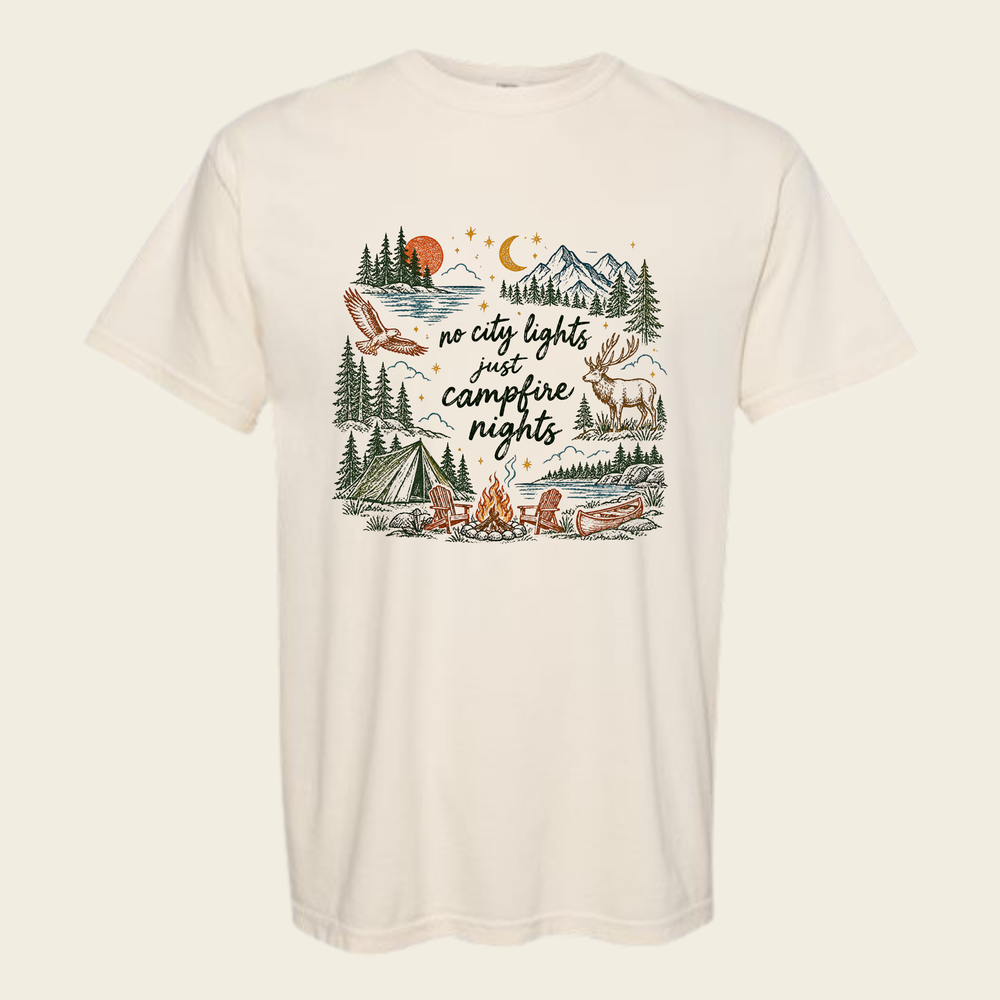
Our graphics go on direct-to-garment, which means the ink is pushed into the fabric rather than laid on top like a sticker. No stiff plastic panel across your chest, no cracking after a dozen washes. The design settles in and ages alongside the shirt. On a garment-dyed blank, that combination is tough to beat: soft base, color that mellows gracefully, art that stays part of the cloth. You'll find it on pieces like the No City Lights Tee, the Lone Star Longhorn, and the Cowboy Killer.
Made close to home
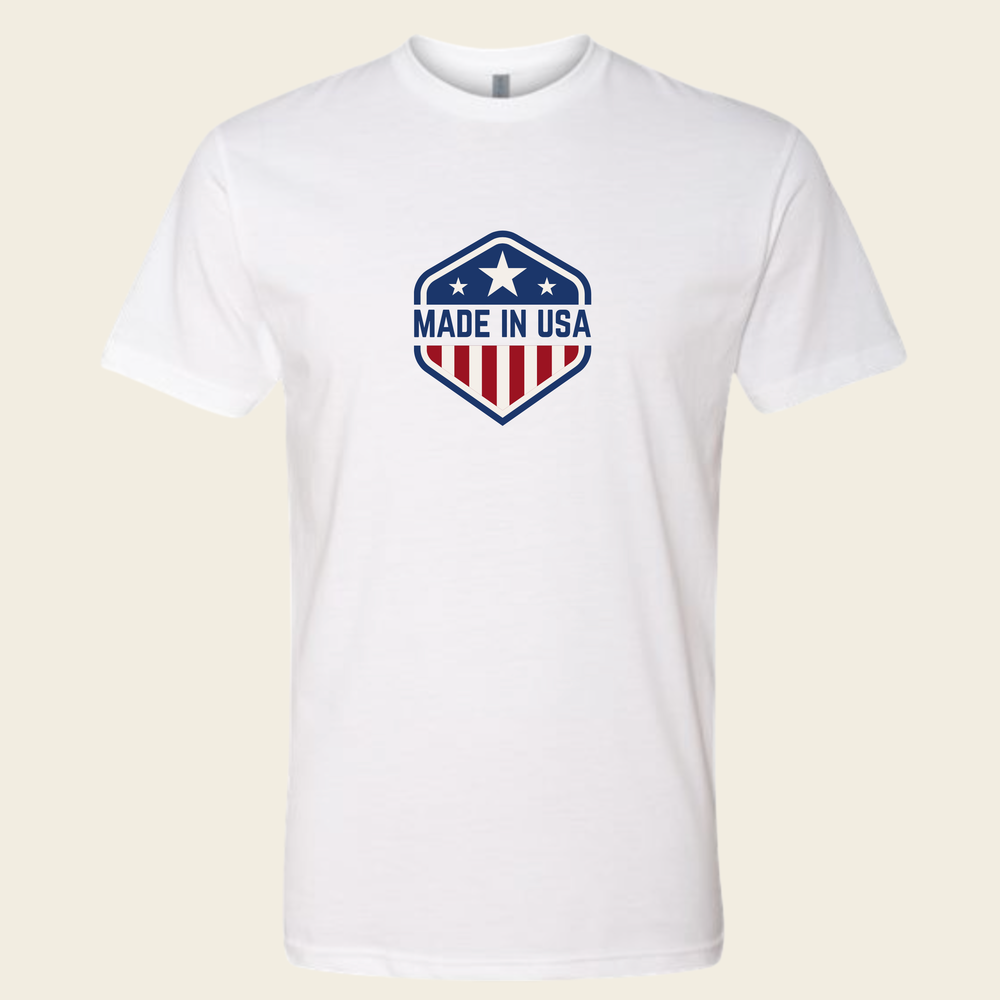
We print and ship out of Flatwoods, and we lean toward American-made blanks wherever it makes sense, like our straight-up Made in USA Tee. That matters to us for the obvious reason, but also a practical one: when a shirt is built well and printed well, it lasts. The most patriotic thing a tee can do is quietly outlive three cheaper ones.
How to keep it looking right
Garment-dyed tees reward a little care, and not much of it:
- Wash cold, inside out, with like colors. The first wash or two can release a bit of excess dye, which is normal.
- Tumble dry low or hang dry to keep the fit true and the print happy.
- Skip the fabric softener and bleach. The fabric is already soft, and bleach is no friend to garment dye.
- Iron inside out if you must, and keep the heat off the graphic.
Do that and the shirt gets better with age instead of worse. Years in, it'll have that earned look you can't fake with a factory wash.
Finding your first one
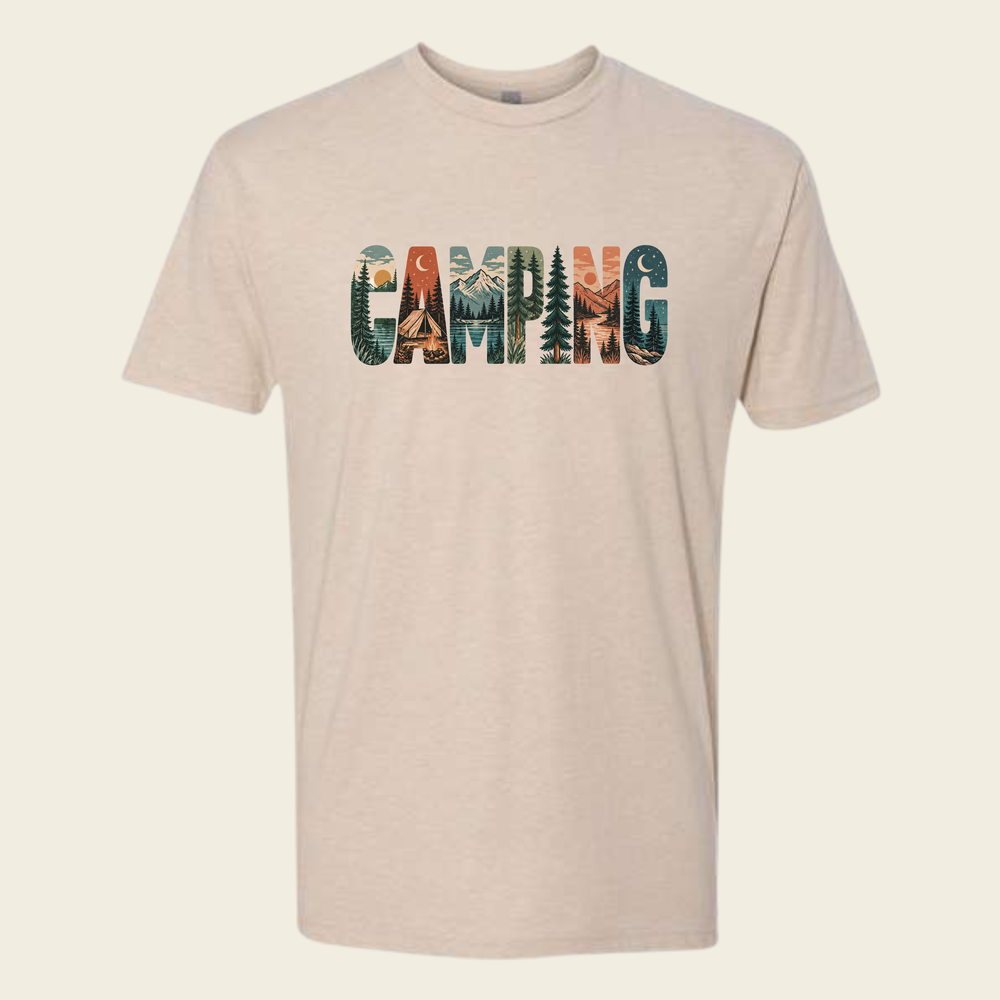
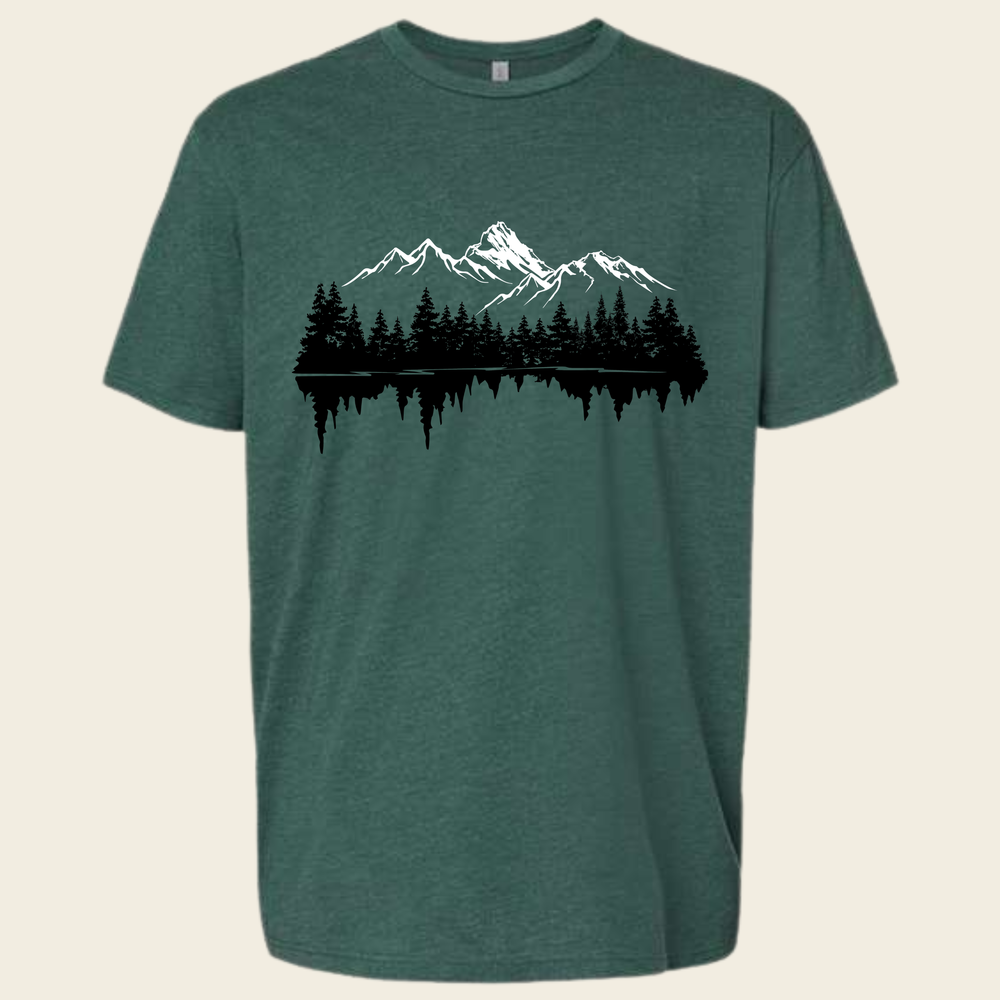
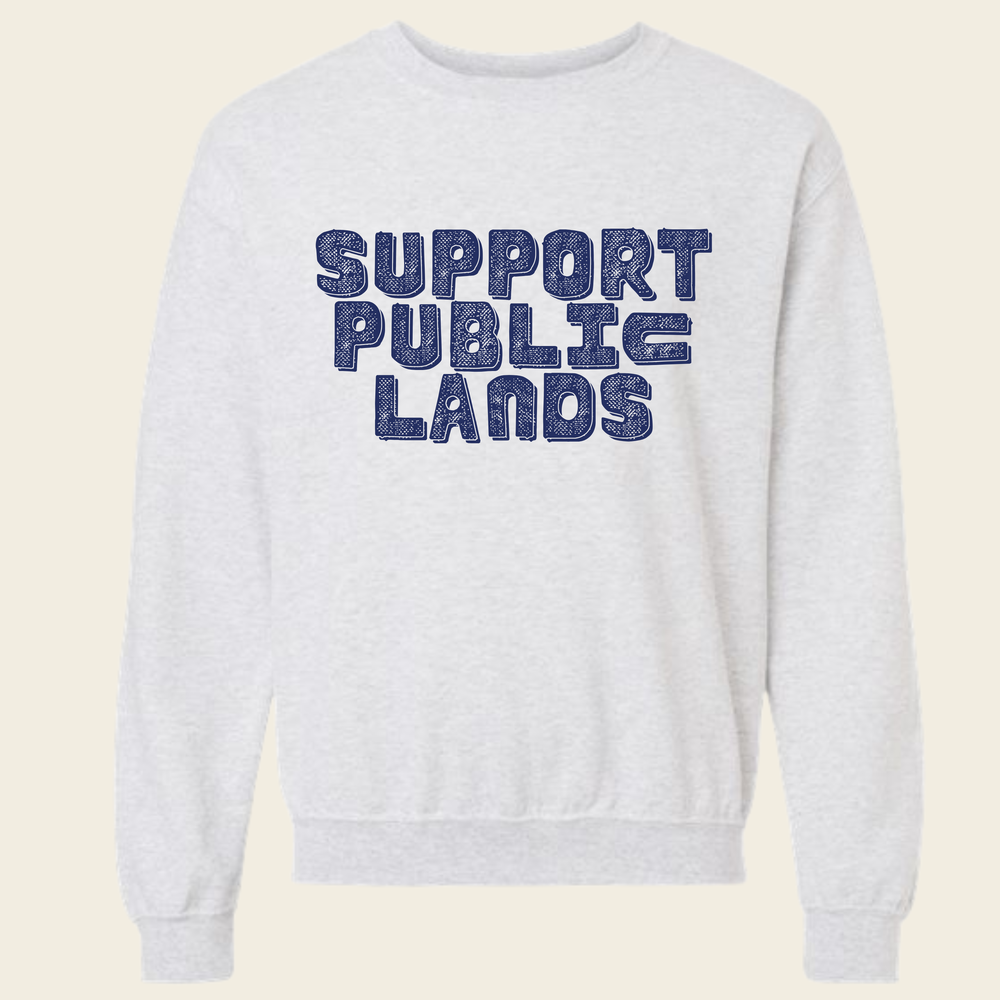
If you're new to the heavyweight feel, start with something you'll actually live in. Outdoors folks tend to grab the Mountain Reflection or Camping Scenes tees. State-pride types go for the Born Free lineup, whether that's Texas, Ohio, or Kentucky. And if you care about the places you hike, fish, and hunt, the Support Public Lands crew says it plain: the land everybody owns and nobody thinks about until somebody tries to sell it.
However you wear it, the goal is the same. A tee that feels like it already belongs to you, built to put in the miles, dyed to fade like it means it. Browse the whole collection and pick the one you'll reach for first.
Outdoors
Made by Land & Light — American lifestyle apparel with a sense of place and a sense of humor.
See every shirt