
The Mum Keeps Growing: Baylor Traces the Roots of Texas's Loudest Homecoming Tradition
Baylor just told the story of how the Texas homecoming mum got its start — and why the jingling, ribbon-heavy tradition is bigger than ever.
In late October, Baylor University's BaylorProud blog published a history of the homecoming mum — that enormous, ribboned, bell-covered badge of school spirit — and made the case that Waco is where the tradition became Texan. The best part of the story isn't the history, though. It's the present tense: the wearing of mums at Homecoming football games is a classic Texas tradition that only continues to grow.
What happened
On October 27, Baylor published a piece tracing how the school helped turn a modest corsage into the state's signature piece of fall regalia. According to the post, Baylor was the first college in Texas to popularize the mum — the tradition began in Missouri around 1911, but it got bigger and better after Baylor's Homecoming queens began wearing mums in the 1930s. From Waco, the tradition quickly spread to colleges and high schools across the state — though today, homecoming mums are almost entirely a high school thing.
Baylor hasn't let go of it entirely, either. In recent years, children of Baylor alumni returning to campus for Homecoming have been able to create small mums as part of Homecoming at the Hurd — which means somewhere in Waco, a second-grader is gluing ribbon to a felt flower and learning the family trade.
The mum, briefly, for the uninitiated
If you didn't grow up here: a homecoming mum is an oversized corsage worn on the day of the homecoming football game, mostly by high school students in Texas. It hasn't involved an actual chrysanthemum in a long while — these days it's silk flowers, braided ribbon down to the knees, bells, charms, teddy bears, and increasingly, lights. For 2026, the trend is toward light-up elements and LED integration, letting mums glow during night games. On homecoming Friday, a crowded Texas hallway jingles.
There's etiquette, loosely enforced. For decades the convention has been that senior mums are primarily white with silver or gold accents while underclassmen wear school colors — though few schools have hard-and-fast rules anymore, so it's more about conventions you choose to follow or break.
Why this is genuinely good news
Because the mum is a tradition that runs on kitchen tables and hot glue guns, and it's thriving. The Institute of Texan Cultures in San Antonio, which has featured the tradition in an exhibit called "Mumentous," points out that at the heart of the tradition is a women-led cultural and economic force — driven not by large corporations but by small, often home-based businesses, many run by mothers, grandmothers, and community members who turned a tradition into an enterprise. One estimate cited there puts the economic impact of homecoming mums at a half-billion dollars every year.
That's a lot of ribbon. And it's the right kind of economy — the kind where the money stays in town and the product ends up hanging on a bedroom wall for thirty years. As one 2026 guide notes, most girls keep their mums forever.
How it connects to the wider state
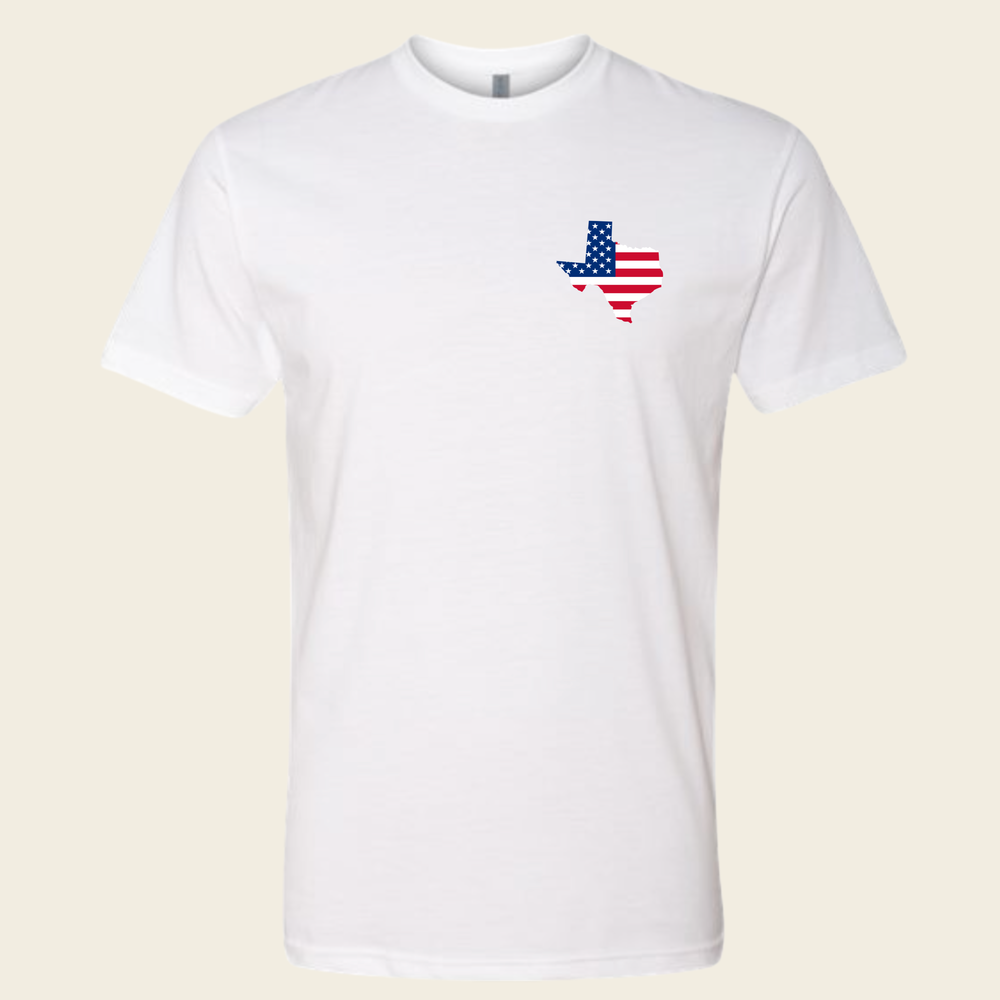
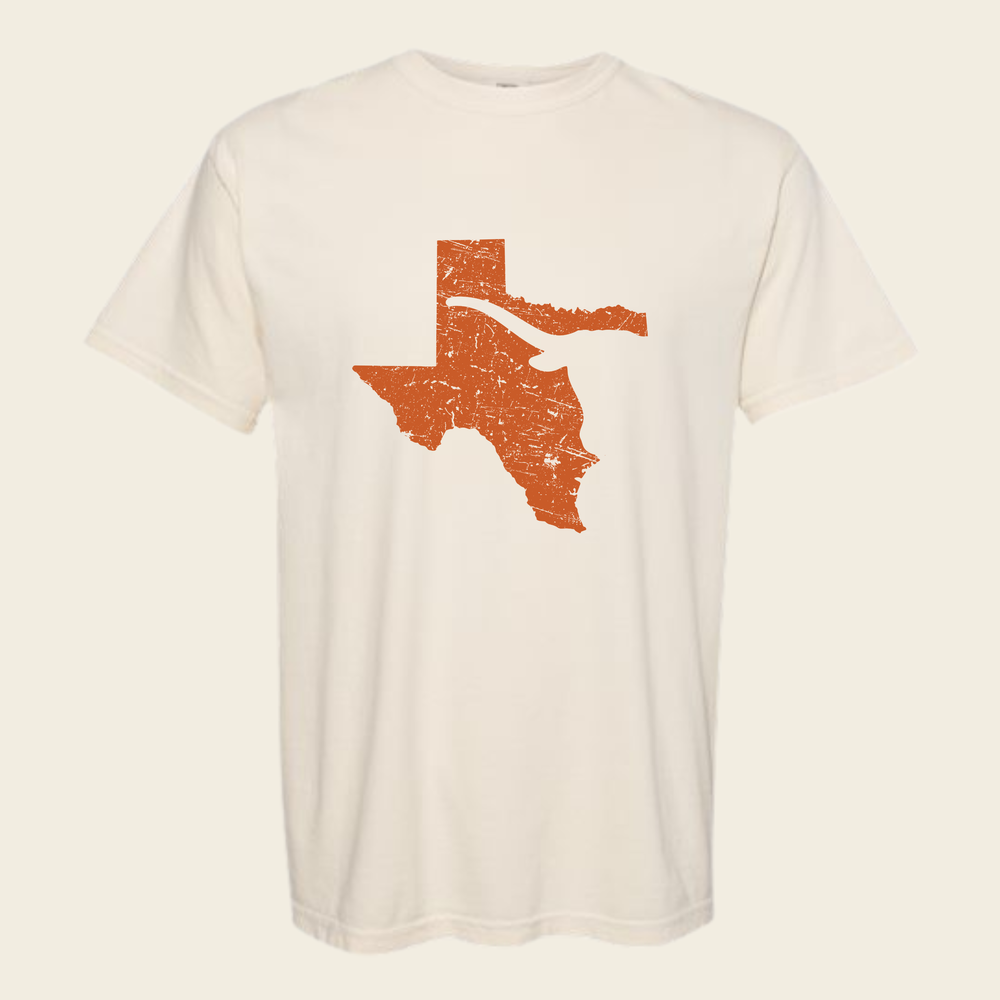
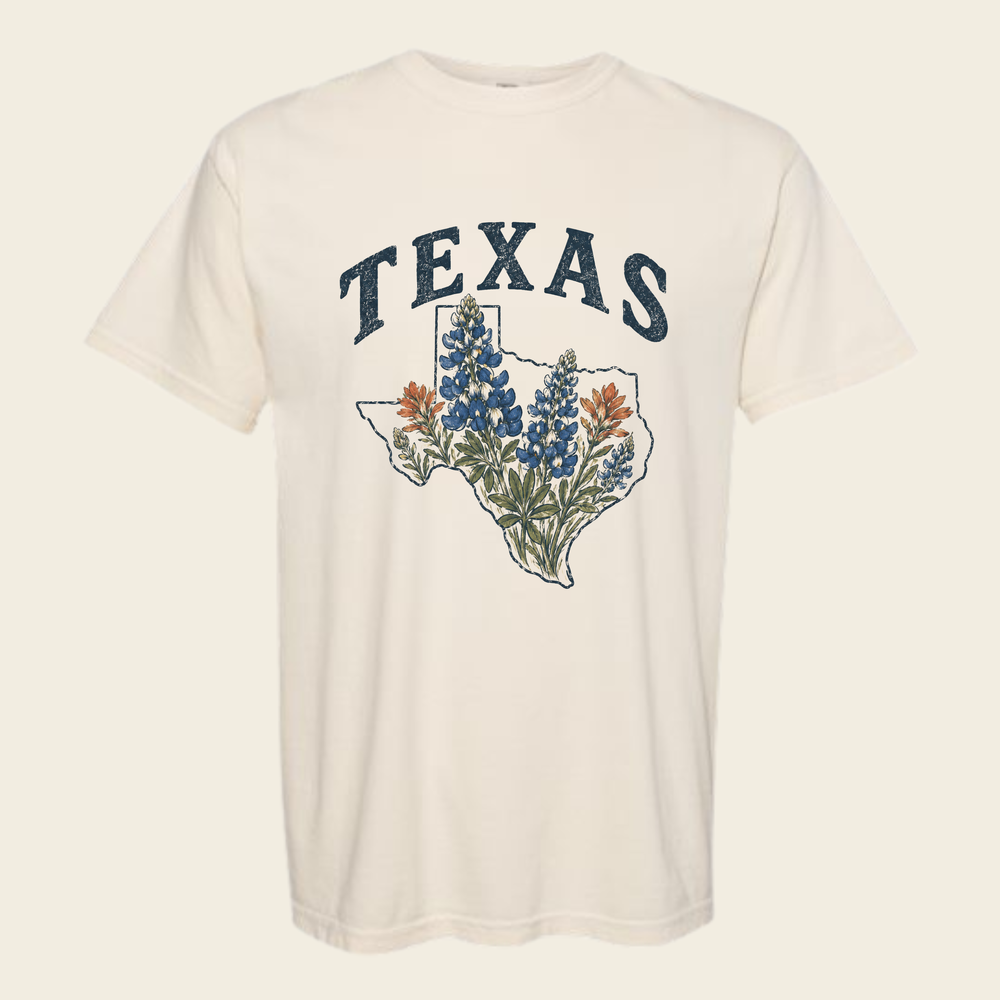
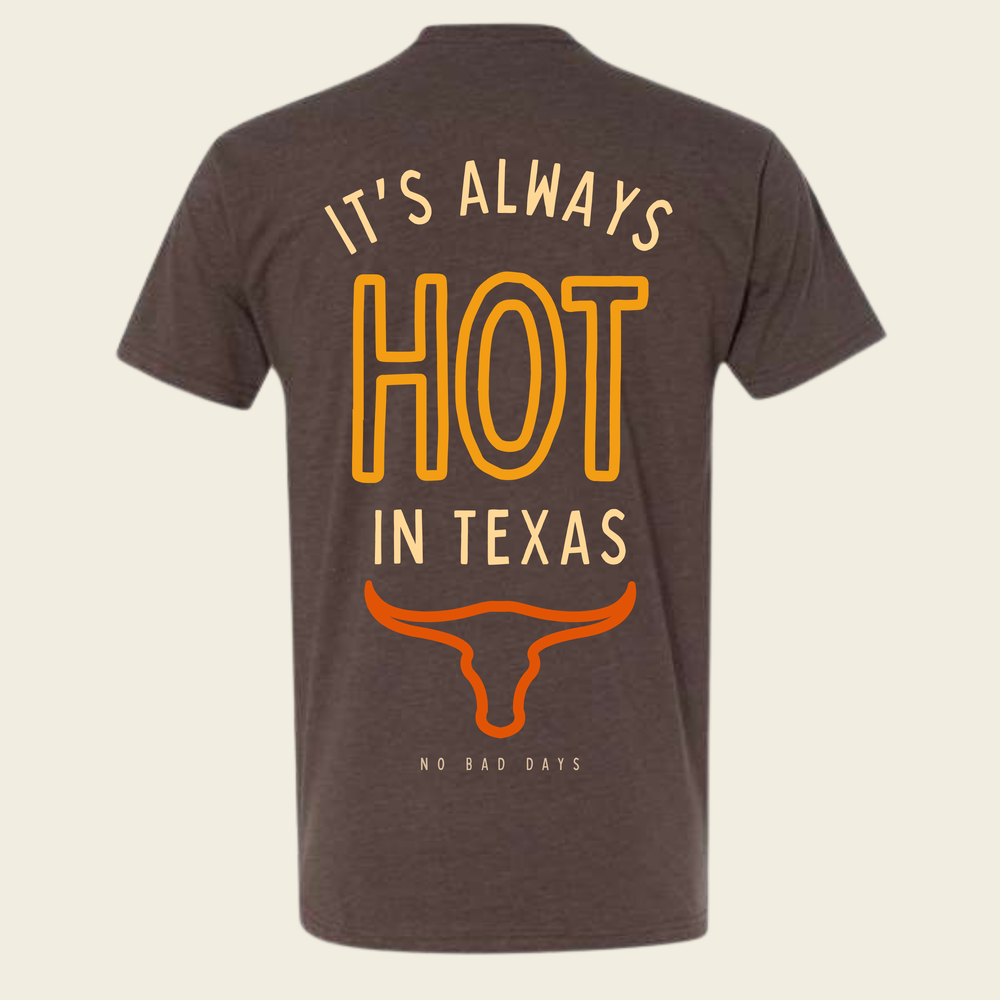
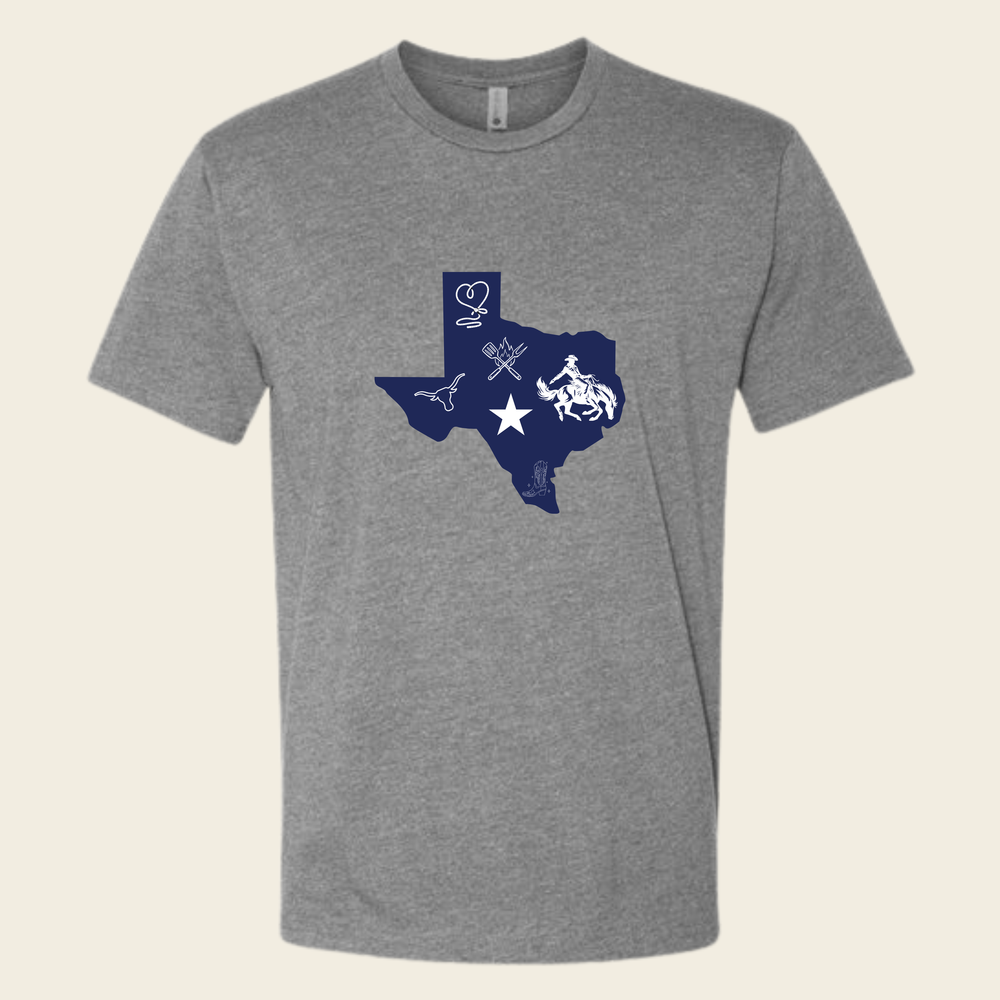
The mum is Texas doing what Texas does: taking something small, making it enormous, and then making it personal. It's the same instinct behind Friday night lights, water-tower pride, and painting your town's name on the highway overpass. A kid in school colors with four feet of ribbon around their neck is wearing a sense of place — which is roughly what we're going for with our whole Texas collection, minus the bells. If you've outgrown the mum but not the feeling, the Texas State Pride Tee is quieter but means the same thing.
What you can do about it
If you're near Waco during a future Baylor Homecoming, the mum-making table at the Hurd is open to alumni families. If you've got a high schooler, say yes to the glue gun — moms usually help make the mums, and it's often a team effort involving hot glue guns and a lot of patience. And if you'd rather buy than build, find a local mum maker; you'll likely be handing your money to a neighbor.
Common questions
Where did the homecoming mum come from?
The tradition began in Missouri circa 1911, but it grew after Baylor's Homecoming queens began wearing mums in the 1930s, and it spread across Texas from there.
What does a mum cost these days?
It varies widely with size and complexity. One widely cited documentarian of the tradition puts the average mum or garter at $75 to $500 for 2026.
Do boys wear mums too?
They wear the smaller version. A garter mum is the guy's version of a homecoming mum, traditionally made by his date and worn on an elastic band around the upper arm.
Reported by BaylorProud (Baylor University). Details as published at the time of writing.
Texas
Made by Land & Light — American lifestyle apparel with a sense of place and a sense of humor.
See every shirt